
How to Pack Liquids for Moving Without Spills
How to pack liquids for moving begins with deciding whether the product should be transported at all. A tighter cap, plastic bag, or rigid tote can help contain an eligible nonhazardous liquid, but packing materials cannot make a prohibited, leaking, unidentified, flammable, corrosive, or otherwise hazardous product acceptable for a moving truck.
Sort liquids before moving day, keep labels and original containers intact, ask Vector Moving and Storage about the specific local, long-distance, or warehouse-storage service, and separate anything that should remain with you or go to an approved disposal program.
Decide the Destination of Every Liquid Before Packing
Do not begin by placing every bottle from the kitchen, bathroom, laundry room, garage, and patio into one “liquids” box. Sort by product type, need, condition, and eligibility.
Use Before Moving
Finish low-value partially used toiletries, sauces, detergents, and similar ordinary products when safe and practical rather than paying to pack and handle them.
Keep With the Customer
Separate essential toiletries, medication, baby or pet necessities, water, and items needed before delivery. Mark the tote CUSTOMER CARRY — DO NOT LOAD.
Ask the Mover
Keep unopened or ordinary-looking products outside the loading area until Vector confirms whether the exact item is eligible for that move and destination.
Approved Disposal
Use local household-hazardous-waste, recycling, take-back, or other lawful disposal options for products that are unsafe or not accepted. Do not pour them into drains or ordinary trash without checking.
Stop and Isolate
Do not pack a leaking, swollen, corroded, punctured, unlabeled, or unknown container. Keep people and pets away and follow the product label or local official guidance.
Review the Product Category Before Choosing a Packing Method
Personal-Care Liquids
Shampoo, conditioner, lotion, body wash, cosmetics, mouthwash, contact-lens solution, perfume, and other toiletries may have different ingredients, glass containers, pumps, and pressure-sensitive closures.
Kitchen Liquids
Cooking oil, vinegar, sauces, condiments, beverages, extracts, and refrigerated products require review for food safety, glass breakage, odor, leakage, and the specific move type.
Laundry and Cleaning Products
Detergent and fabric softener should not be treated the same as bleach, drain cleaner, solvent, concentrated disinfectant, aerosol product, or another potentially hazardous cleaner.
Garage, Pool and Outdoor Products
Fuel, motor oil, antifreeze, paint, varnish, thinner, lighter fluid, pesticides, pool chemicals, propane, and automotive products generally require exclusion or specific hazardous-material handling.
Medication and Medical Liquids
Keep prescription and immediately needed medical liquids under responsible personal control. Do not place them into ordinary household boxes or warehouse storage.
Unknown or Damaged Products
An unlabeled bottle, transferred chemical, swollen container, corroded closure, or active leak should never be guessed at and placed in the shipment.
Liquid Packing Decision Planner
This tool gives a conservative planning direction. It does not approve an item for transportation and does not replace the product label, written mover policy, applicable law, or instructions from a hazardous-material professional.
Suggested Direction
Ask Vector before packingKeep the bottle outside the loading area until the exact item and move type are reviewed.
How to Pack Liquids for Moving After Approval
Use this method only after the exact product has been accepted for the service. Secondary containment reduces the consequences of a failure; it does not eliminate risk.
Original Bottle
Keep the manufacturer's container and label. Inspect the cap, pump, threads, seams, glass, residue, swelling, and corrosion.
Individual Sealed Bag
Place each eligible container in its own leak-resistant secondary bag. Add clean absorbent material when appropriate.
Rigid Outer Container
Keep bottles upright, cushion glass, separate product categories, fill voids, and close the tote or sturdy carton.
Visible Label and Review
Mark the container and keep it outside the truck until the crew confirms that it may be loaded.
Reduce Open Toiletries and Separate Daily Essentials
Review shampoo, conditioner, lotion, body wash, perfume, cosmetics, contact-lens solution, mouthwash, refill pouches, and glass bottles individually. Use up or replace low-value partly used products when practical.
A product marketed as “natural” is not automatically nonhazardous or acceptable. Read the warning label and ask the mover when the ingredients or transport rules are uncertain.
Separate Ordinary Food Products From Chemicals
Cooking Oils and Sauces
Review value, container material, closure, route, food policy, and temperature needs. A glass oil bottle requires breakage protection in addition to leak containment.
Beverages and Refrigerated Liquids
Do not assume that refrigerated, frozen, carbonated, alcoholic, or opened beverages are suitable for the moving truck. Use a lawful customer-controlled food-safety plan.
Laundry Products
Liquid detergent and fabric softener still require product review, upright packing, and individual containment. Concentrated stain products or aerosols may require stricter handling.
Bleach, Drain and Strong Cleaners
These may be corrosive or otherwise restricted. Do not place them with clothing, kitchenware, or ordinary household goods merely because the lids are tight.
Do Not Hide Hazardous Products in Household Boxes
California's household-moving consumer information states that hazardous materials are not accepted for shipping and lists familiar household examples. Federal interstate guidance also prohibits concealing hazardous materials in household-goods boxes or luggage.
Combustible or Flammable
Rubbing alcohol, gasoline, lighter fluid, paint, varnish, removers, some stains, propane, and similar products.
Corrosive or Reactive
Acids, drain cleaner, bleach, pool treatment products, some batteries, and other products carrying corrosive or reactive warnings.
Aerosols and Compressed Gas
Aerosol cans, fire extinguishers, propane cylinders, oxygen bottles, and other pressurized containers require separate review.
Automotive and Outdoor Chemicals
Motor oil, antifreeze, pesticides, garden sprays, fuels, and maintenance chemicals should not be mixed with household boxes.
The Same Bottle May Receive a Different Answer for a Different Service
Local Move
Some ordinary nonhazardous products may be considered after review. Short travel distance does not make a hazardous, leaking, or prohibited product acceptable.
Interstate Move
Federal hazardous-material rules, longer transport, possible overnight stops, changing temperatures, and delivery timing can make acceptance more restrictive.
Warehouse Storage
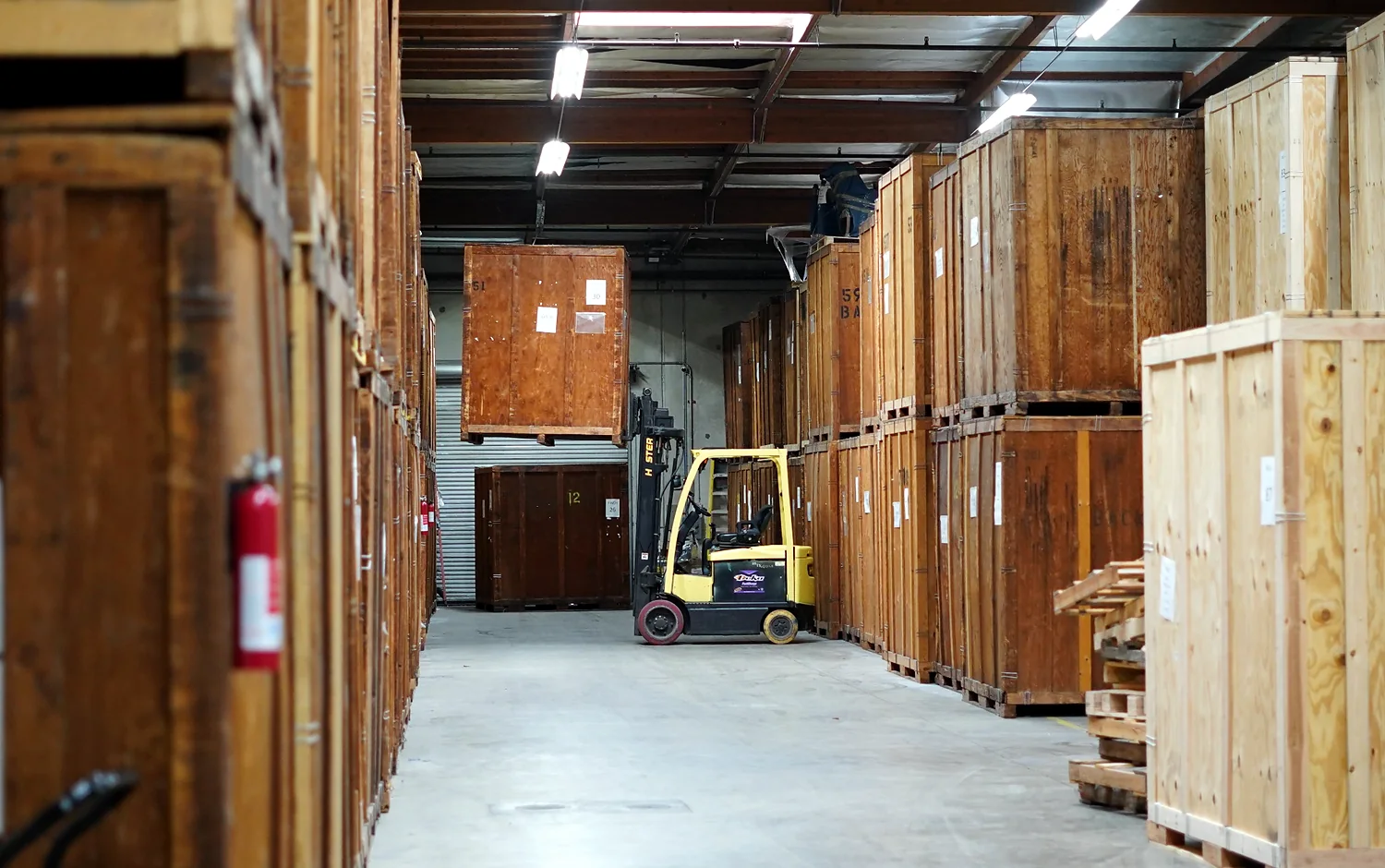
Do not place food, open liquids, leaking containers, medicine, cleaners, or unknown products into Vector moving vaults unless the office has specifically approved the exact item.
A customer-carried label does not make an item lawful or safe to place in a personal vehicle. Follow the product label, applicable transportation requirements, and local official guidance.

Keep Liquids Out of Moving Vaults Until the Office Reviews Them
Warehouse storage can involve pickup, loading, travel to the facility, vault handling, storage time, later reloading, and final delivery. A minor leak can damage cartons, furniture, textiles, wood, warehouse equipment, or nearby shipments.
Make the Liquid Group Obvious Before Loading
APPROVED LIQUIDS — KEEP UPRIGHT
Use only after the mover confirms the exact contents may be loaded. Add the destination room and a brief contents description.
CUSTOMER CARRY — DO NOT LOAD
Keep this group physically separate from the household shipment and under responsible personal control.
QUESTION FOR OFFICE
Keep uncertain products outside sealed household boxes so the company can identify and review them before loading.
HOUSEHOLD HAZARDOUS WASTE
Do not stage this group beside items going to the truck. Follow the product label and the appropriate local disposal process.
Stop the Packing Process and Protect People First
Do not continue tightening, squeezing, wiping, transferring, or mixing an unknown or hazardous product merely to save the container.
Connect Liquid Packing to the Complete Move
Restricted Moving Items
Review products and belongings that may require exclusion, office approval, customer transport, or another provider.
Items movers cannot transport →Room-by-Room Packing Guide
Plan boxes, labels, furniture parts, essentials, storage, and the final 48 hours.
Complete packing guide →Kitchen Packing
Pack dishes, glasses, cookware, appliances, pantry goods, oils, sauces, and an open-first kitchen box.
Kitchen packing guide →Packing Services
Arrange no professional packing, partial packing, or full packing according to the written scope.
Professional packing services →Long-Distance Moving
Review interstate documents, packing, valuation, delivery, prohibited items, and storage planning.
Long-distance moving services →Moving Quote
Describe both properties, inventory, packing, storage, specialty items, and any products that require review.
Request a moving quote →Frequently Asked Questions
Can movers transport liquids?
How do I pack shampoo and conditioner for moving?
Can movers take laundry detergent?
Can movers transport cooking oil or sauces?
Can bleach go on a moving truck?
Can movers transport paint, fuel, or propane?
How should glass bottles be packed?
Should I use cardboard boxes or plastic totes for liquids?
Does plastic wrap under a cap prevent every leak?
Can liquids go into Vector moving-vault storage?
Should medication go on the moving truck?
How should customer-carried liquids be labeled?
What should I do with unwanted hazardous liquids?
What should I do when a bottle leaks before loading?
Are the rules different for long-distance moving?
Can professional packers decide whether every liquid is transportable?
Separate Liquids and Restricted Products From the Household Shipment
Tell Vector Moving and Storage whether the move is local, interstate, or going into warehouse storage. Identify any toiletries, kitchen liquids, cleaners, garage products, medication, leaking containers, or other items that may require review before the crew arrives.







No comment