

Moving to San Marcos: Neighborhood, Access & Relocation Guide
Moving to San Marcos requires more than choosing a neighborhood and packing boxes. Planned communities, hillside streets, apartment garages, university-area buildings, gates and long carrying routes can all affect the crew, truck and schedule. This guide explains what to review before moving day.

Why San Marcos Moves Need Address-Specific Planning
San Marcos includes dense apartment and mixed-use areas, established residential streets, newer planned neighborhoods, hills and properties with garages, patios or detached storage. Two addresses only a few miles apart can require very different moving plans.
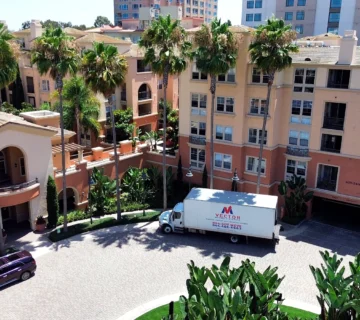
A home may have a driveway with limited turning room, a private gate or furniture spread across multiple levels. An apartment may require garage clearance, security check-in, a designated loading entrance and a long interior carry. A ground-floor unit is not automatically an easy move when the truck must remain far from the building.
Vector’s San Marcos movers page describes available moving services. This article remains an informational guide for researching and preparing a move.

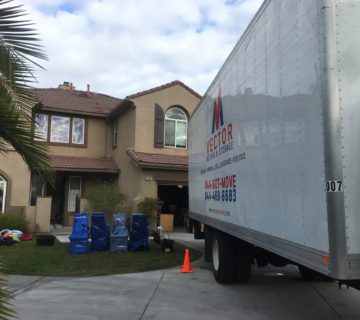
Photographs of stairs, gates and long approaches help explain the real access route.
Common San Marcos Areas and Moving Considerations
Neighborhood names are useful starting points, but the exact address and property instructions should determine the final plan.
San Elijo Hills
Planned neighborhoods can have HOA requirements, private streets, hills, gates and homes with larger garage or patio inventories. Confirm truck placement and approved move hours.
Old Creek Ranch
Townhomes, single-family properties and community streets may combine garage access, stairs and shared parking. Review where the truck can remain without blocking neighbors.
North City and the University Area
Apartments, mixed-use buildings and campus-related housing may require garage clearance, elevator scheduling, loading-area coordination and security access.
San Marcos Creek District
Residential and commercial properties around San Marcos Boulevard and the Creek area can be affected by active corridors, shared lots and changing access conditions.
Santa Fe Hills and Discovery Hills
Residential streets, slopes, cul-de-sacs and multi-level homes can influence truck turnaround, walking distance and the order in which rooms are loaded.
Twin Oaks Valley Corridor
Properties in and around the corridor range from apartments to homes with longer drives and outdoor contents. Verify the municipal jurisdiction and property access for the exact address.
Match the Moving Plan to the Property
Single-Family Homes
Review driveway slope and clearance, garages, side gates, exterior furniture, upstairs rooms and any distance between the road and entrance.
Apartments and Condos
Request written building instructions covering elevators, loading entrances, garage height, approved hours, deposits and protection requirements.
Townhomes and Planned Communities
Identify shared driveways, narrow internal streets, stairs, HOA restrictions and parking that could interfere with neighbors or emergency access.

Review protection requirements and narrow points before furniture begins moving.
Inspect the Route From Truck to Room
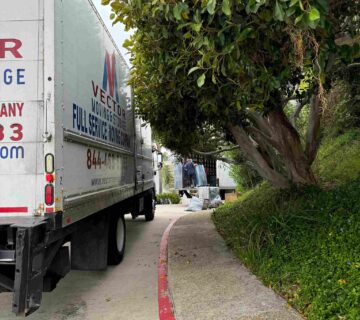
A detailed walkthrough can reveal conditions that an online map or unit number cannot show. Start with the lawful truck location, then follow the route to each part of the property. Measure tight spaces and note surfaces or fixtures requiring protection.
- Street width and truck location
- Driveway grade and overhead clearance
- Gate width and access codes
- Walking distance to the entrance
- Exterior and interior stairs
- Garage height and loading entrance
- Elevator dimensions and reservation
- Door, floor and wall protection
Photograph sharp turns, narrow stairs, sloped pathways and oversized furniture. Disclose pianos, safes, stone pieces, artwork and other unusual items with dimensions and approximate weight before the estimate.
Coordinate Elevators, Garages and Shared Loading Areas
Buildings near Cal State San Marcos, North City and transit-oriented areas may have move procedures that differ from an ordinary house. University property, private apartment management and public streets each have their own authority, so obtain instructions from the correct property contact.
Ask whether the elevator must be reserved, whether protective padding is installed by staff, and whether the moving company must provide a certificate of insurance. Confirm the entrance the crew must use and the height of every garage opening on the route—not only the resident parking entrance.
For campus-specific parking, review current rules with California State University San Marcos. Do not assume a residential permit or visitor session authorizes a moving truck to use a loading area.
Building Reservation
Confirm date, time, elevator, loading entrance, security contact and any required deposits.
Garage Clearance
Measure the approved truck route and identify a lawful alternative if the vehicle cannot enter.
Long Carry
Courtyards, hallways and parking structures can add distance even when the apartment is on the ground floor.
Check San Marcos Parking Rules Before Moving Day
Do not assume that an open curb can be saved with unofficial cones, boxes or signs. Review posted restrictions and contact the property manager for private streets or lots. Public-street questions should be confirmed with the City rather than handled through an HOA or apartment office.
The City’s current parking information explains local rules, including restrictions affecting commercial vehicles and continuous parking. Requirements can change by vehicle, location and duration, so verify the exact move rather than relying on a general statement.
Read Every Sign
Check curb markings, posted hours, fire lanes, loading restrictions and temporary construction notices.
Protect Access
The truck must not block emergency routes, neighboring driveways, hydrants or the normal operation of a managed property.
Share the Plan
Send the mover the approved truck location, gate instructions and property contact before the move.
Choose Self-Packing, Partial Packing or Full Packing
Decide the division of packing work while requesting the estimate. Self-packing means customer-packed cartons should be safely weighted, securely closed and labeled before the crew arrives. Partial packing may focus on the kitchen, artwork, fragile décor or selected rooms. Full packing should be scheduled with enough time and a clear inventory.
Use smaller cartons for books and other dense items. Label each box with its destination room, and place hardware from disassembled furniture in marked bags. Keep identification, keys, medication, financial records, irreplaceable documents and immediate necessities with you.
Ask about prohibited items before packing liquids, aerosols, fuel, chemicals, batteries, food or plants. Vector’s San Diego packing services page explains available packing options.

Organized labeling and furniture preparation support a more efficient delivery.

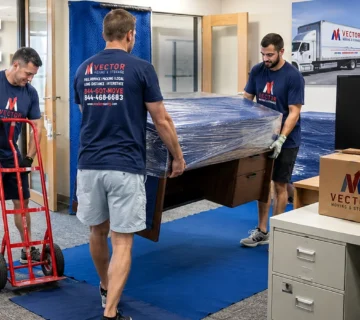
Furniture preparation should reflect the item and the route through both properties.
Prepare for Stairs, Tight Turns and Multiple Levels
Moving blankets and stretch wrap help prepare many furniture pieces for handling. Mattress or sofa covers may be appropriate for upholstered items. Floors, doorway edges and railings may also require protection where the route is narrow or heavily traveled.
Measure large sectionals, tables, beds and cabinets against doors, stair turns and elevator interiors. Confirm what the crew can disassemble and reassemble, and remove personal contents beforehand. Do not plan structural alterations, balcony hoisting or removal of building components as an ordinary moving service.
A Practical San Marcos Moving Schedule
Use this sequence as a general planning framework. Property reservations, packing, storage and seasonal availability may require additional time.
Coordinate Storage Before Pickup
Storage may help when a lease ends before the next property is ready, construction continues, temporary housing is smaller or a shipment must be delivered in phases. Include the storage need in the estimate rather than assuming it can be added without changing the plan.
Ask where the shipment will be held, how it will be inventoried, what access or partial-retrieval procedures apply, which charges continue during storage and how final delivery will be scheduled. Do not assume walk-in access, unlimited retrieval or climate-controlled conditions unless confirmed in writing.
Review Vector’s moving and storage services or storage in transit for an active move.

Storage should be connected to the inventory and final-delivery plan.
Use Official Resources for Utilities, Schools and Transportation
A relocation guide should help residents find authoritative information without making promises about school placement, commute times, property values or neighborhood quality. Confirm these details for the exact address.
Utilities and Resident Services
The City’s utilities directory identifies providers serving San Marcos. Arrange start and stop dates directly with the applicable companies.
School Assignment
Families can use the San Marcos Unified address-based school locator. The district notes that results are general information and not a placement guarantee.
North County Transit
NCTD’s SPRINTER information explains the east-west rail connection among Oceanside, Vista, San Marcos and Escondido.
Common Mistakes When Moving to San Marcos
Assuming Every Address Is Similar
A planned hillside community and a university-area apartment can require completely different access plans.
Waiting on HOA Rules
Move hours, gates and shared-street restrictions should be collected before the final date is confirmed.
Ignoring Garage Height
The approved loading entrance may be inside a structure that cannot accommodate the planned truck.
Using Unverified Cost Ranges
Online averages cannot price the real inventory, access, packing, distance and storage requirements.
Forgetting Outdoor Contents
Garages, patios, sheds and detached spaces should be included in the inventory and packing plan.
Skipping Destination Access
Review unloading conditions as carefully as the San Marcos property, especially for long-distance moves.
What to Gather Before Requesting a Quote
A useful estimate begins with details describing the actual move:
- Exact pickup and delivery addresses
- Preferred date and flexibility
- Room-by-room inventory
- Photos of unusual or fragile items
- Truck parking and walking distance
- Stairs, gates and elevators
- Building or HOA move rules
- Packing and unpacking needs
- Storage or additional stops
- Destination contact information
Moving to San Marcos FAQs
How early should I schedule a move to San Marcos?
Does every San Marcos move require a parking permit?
What should I ask an apartment or HOA manager?
How should I prepare for a hillside home or long driveway?
Should I measure furniture before moving day?
Can Vector help with packing for a San Marcos move?
Can storage be included with the move?
What information helps produce a useful estimate?
Ready to Discuss Your San Marcos Move?
Share the property access, inventory, packing, schedule, destination and any storage needs with Vector Moving and Storage. The team can review the information and determine which services are appropriate for the move.
Vector Moving and Storage
Phone: 844-468-6683
Available services: Local and qualifying long-distance moving, packing, furniture preparation, commercial moving, moving and storage, and delivery.
Published credentials: CAL-T 191802 · CA 530531 · MC 105580 · DOT 3152229


No comment