

How to Pack for a Move Room by Room
Learning how to pack for a move begins with three decisions: what is moving, who is packing it, and which belongings must remain available until moving day. The most reliable process moves from low-use rooms and storage areas toward everyday essentials, while using box sizes, cushioning, labels, and furniture preparation suited to the actual contents.
This guide explains the best packing order, self-packing versus partial or full professional packing, box construction, labeling, room-by-room techniques, fragile items, hardware, storage, long-distance preparation, first-night essentials, and the final 48-hour checklist.

Pack What You Use Least Before What You Use Every Day
The exact schedule depends on the home, but this sequence prevents daily necessities from disappearing too early and keeps the final week manageable.
Self-Packing, Partial Packing and Full Packing Are Different Services
Decide the division of responsibility before moving day. The mover, packing crew, customer, specialty provider, and appliance technician should not arrive with different assumptions.
Self-Packing
You pack eligible small household contents before moving day. Cartons should be closed, labeled, manageable, and ready for loading. Confirm who prepares furniture, televisions, artwork, mirrors, appliances, and unusual pieces.
Partial Packing
Professional packers handle selected areas such as the kitchen, fragile décor, artwork, books, closets, home office, or the rooms still unfinished near the moving date.
Full Packing
The agreed eligible contents throughout the property are packed, labeled, and prepared for the move. Larger homes commonly benefit from a separate packing day before the physical move.
Write the scope into the estimate or service agreement. Identify customer-packed cartons, mover-packed cartons, furniture preparation, specialty crating, appliance service, unpacking, storage preparation, and material charges.
Give Every Belonging One of Four Destinations
Move to the New Home
Items that belong in the new property should receive a destination-room label and priority based on when they will be needed.
Place in Storage
Use stronger, numbered cartons and a written inventory. Separate belongings needed before the final delivery.
Donate or Sell
Complete pickups and sales before moving day so the crew is not waiting while decisions are made.
Discard or Recycle
Use appropriate local disposal and recycling options, especially for chemicals, batteries, paint, fuel, pesticides, and electronics.
Packing an item unnecessarily increases carton quantity, handling, truck space, unloading, storage, and unpacking. Open every closet, drawer, cabinet, garage area, patio cabinet, shed, and off-site storage space before estimating the materials.
Choose Materials Based on Weight, Fragility and Transportation
A useful supply plan uses several box sizes instead of forcing every item into one carton. Dense belongings need smaller containers; bulky lightweight items can use larger boxes.
Small Boxes
Books, canned goods, tools, files, small appliances, and dense fragile items.
Medium Boxes
Cookware, toys, shoes, folded clothing, décor, and general household contents.
Large Boxes
Bedding, pillows, towels, lampshades, and other bulky lightweight items—not books or dishes.
Specialty Cartons
Wardrobe, dish-pack, picture, mirror, television, file, and mattress-protection products as needed.
Cushioning and Wrap
Packing paper, bubble materials, foam, dividers, corner protection, stretch wrap, and clean soft padding.
Labels and Tools
Quality tape, tape dispensers, markers, labels, box numbers, scissors, bags for parts, and a master inventory.
Moving Boxes Should Be Closed, Flat and Manageable
Label for the Destination, Not Only the Current Room
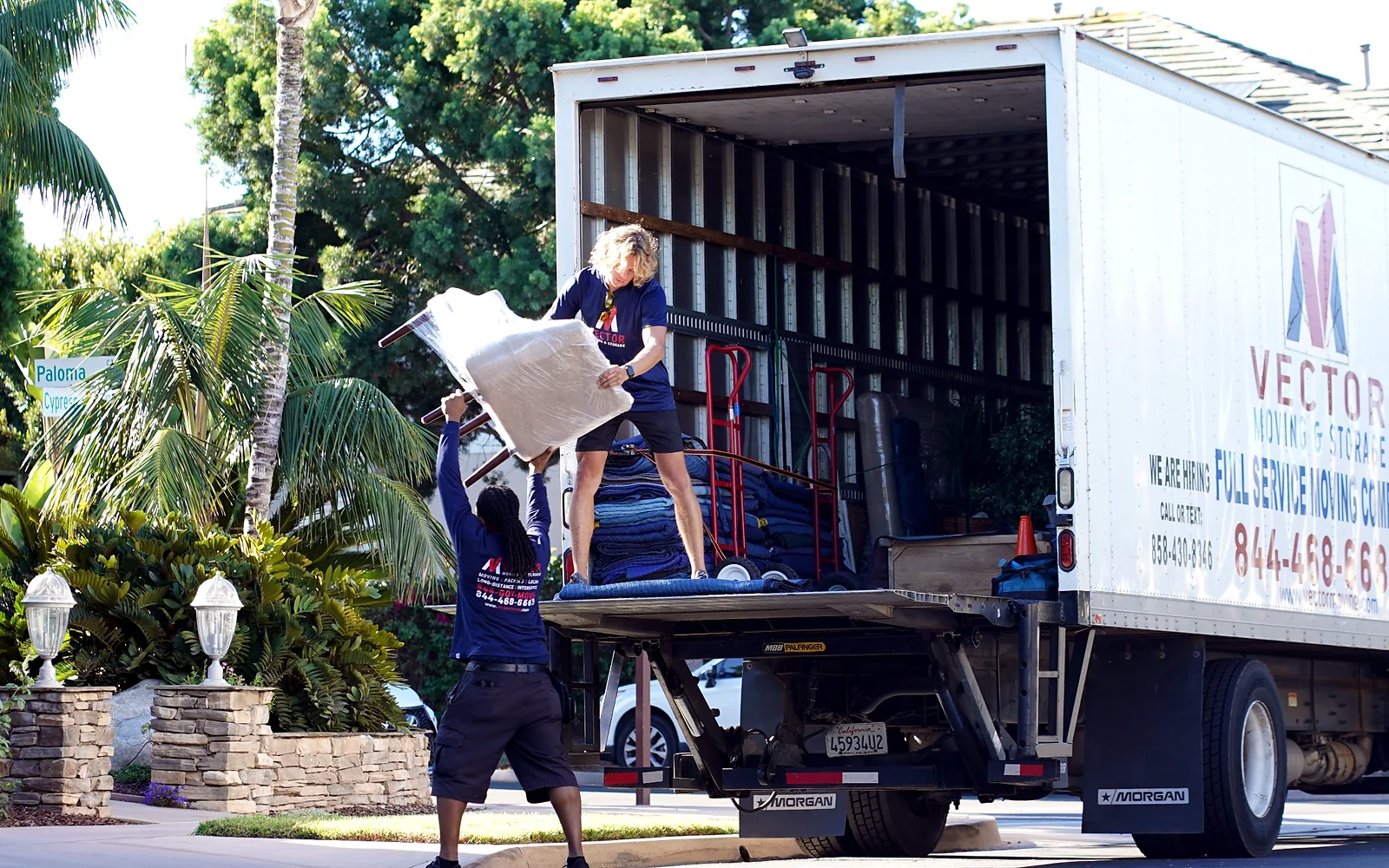
Every carton should give the moving crew and the customer enough information to place it correctly and find important belongings without opening unrelated boxes.
Destination Room
Use the room name at the new property, such as “Primary Bedroom,” “Upstairs Office,” or “Garage Shelving.”
General Contents
Use a useful description such as “Everyday Dishes” or “Desk Files,” not vague labels such as “Miscellaneous.”
Handling Information
Mark fragile contents, upright orientation, open-first priority, storage destination, or other meaningful instructions.
Box Number
Number the cartons and maintain a simple list, especially for storage, long-distance moves, and larger households.
Weak label: Kitchen Stuff.
How to Pack Each Part of the Home
Open each section for a practical sequence. Keep furniture preparation separate from packing the smaller belongings inside each room.
Kitchen and Dining Room
Begin with specialty cookware, serving dishes, decorative pieces, pantry extras, and small appliances that are not used every day. Leave a limited set of dishes, cookware, and food available for the final days.
- Use dish-pack cartons or other strong, appropriately sized boxes for dishes and glassware.
- Wrap dishes individually and place plates vertically with cushioning below, between, and above them.
- Protect stems, handles, lids, and projecting parts rather than pressing them against the box wall.
- Nest bowls or pots only when each piece is cushioned and the stack remains stable.
- Use original packaging for small appliances when available, or protect accessories and removable parts separately.
- Do not pack open liquids, leaking containers, perishables, or prohibited materials inside ordinary household boxes.
Living Room and Family Room
Pack books, games, décor, media, extra blankets, lampshades, framed pieces, cords, remotes, and electronics accessories before the furniture is prepared.
- Use small boxes for books and media; alternate spine orientation when needed to keep stacks stable.
- Remove lampshades and pack them in a suitable lightweight carton without heavy items.
- Photograph electronic connections and label every cable by device.
- Keep remotes, stands, screws, and accessories in sealed labeled bags or a dedicated parts box.
- Use original television and electronics packaging when available, or an appropriate specialty kit.
Bedrooms, Closets and Wardrobes
Start with off-season clothing, extra bedding, rarely used shoes, décor, under-bed storage, and guest-room items. Leave a practical capsule wardrobe and first-night bedding outside the shipment.
- Use wardrobe cartons for hanging clothes or fold garments into clean, manageable boxes.
- Wrap delicate shoes and avoid placing heavy items on top of them.
- Pack linens and folded clothes in medium or large boxes without overloading them.
- Use mattress bags or the protection specified in the moving service.
- Keep jewelry, medications, keys, passports, and irreplaceable personal items with you.
Home Office
Back up important data before equipment is disconnected. Separate the technology and records needed immediately at the destination.
- Photograph cable arrangements and label cords by device and destination workstation.
- Use small boxes for files, books, paper, and other dense contents.
- Keep essential contracts, identity records, financial papers, and confidential information personally.
- Remove loose toner or leaking supplies from equipment.
- Use suitable electronics protection and do not assume ordinary cartons provide enough support for monitors or computers.
Bathrooms and Laundry Room
Pack extra towels, unopened backups, linens, and nonessential supplies first. Keep daily toiletries, medication, and cleaning essentials available until the final day.
- Separate open liquids and anything that can leak.
- Do not pack prescription medication inside the ordinary household shipment.
- Review aerosols, cleaners, bleach, pool chemicals, and other hazardous products before packing.
- Dry shower curtains, towels, sponges, and laundry items before placing them into cartons.
- Use original containers and follow local disposal instructions for products that cannot be transported.
Garage, Patio, Shed and Outdoor Areas
These areas are commonly underestimated. Create a separate inventory for tools, seasonal decorations, sports equipment, workshop contents, patio belongings, garden items, and stored cartons.
- Use smaller boxes for tools and hardware so the cartons remain manageable.
- Clean and dry outdoor furniture and equipment before the move.
- Remove fuel and follow the manufacturer’s instructions for equipment preparation.
- Do not place propane, gasoline, paint, pesticides, corrosive cleaners, or mixed chemicals into ordinary moving boxes.
- Use a local household-hazardous-waste program rather than pouring chemicals down a drain or placing them into ordinary trash.
Control Movement Inside the Box and Protect Vulnerable Edges
Large glass, stone, marble, antiques, valuable artwork, oversized mirrors, custom furniture, and unusually delicate pieces may require photographs, measurements, special materials, additional labor, custom crating, or a specialty provider.

Keep Parts Organized Without Damaging Finished Surfaces
Keep Critical Belongings Outside the Household Shipment
Pack an open-first kit for the first night, but personally carry the items that should not be inaccessible, mixed with ordinary boxes, or left on the moving truck.
Documents and Access
Identification, passports, keys, contracts, lease or closing records, moving documents, building instructions, and important contact information.
Medication and Health
Prescription medication, medical devices, first-aid supplies, glasses, hearing aids, and anything needed during travel or before delivery.
Valuables
Cash, jewelry, small high-value items, financial records, irreplaceable photographs, and sensitive information.
First-Night Household Items
Clothing, toiletries, bedding, towels, phone chargers, basic kitchen items, paper products, cleaning supplies, water, and snacks.
Children and Pets
Food, medication, carriers, leashes, records, comfort items, clothes, diapers, school supplies, and travel necessities.
Immediate Work Needs
Laptop, chargers, credentials, files, uniforms, tools, or other equipment needed before the main shipment is unpacked.
Storage Cartons Need Stronger Labels and a Written Inventory
Boxes going into warehouse storage should be clean, dry, fully closed, strong enough for stacking, and clearly labeled on more than one side. Number the cartons and identify anything that may be needed before the final delivery.
Warehouse storage is different from customer-accessed self-storage. Access, retrieval, additional handling, and final delivery should be coordinated through the office under the written agreement.
Review moving and storage services →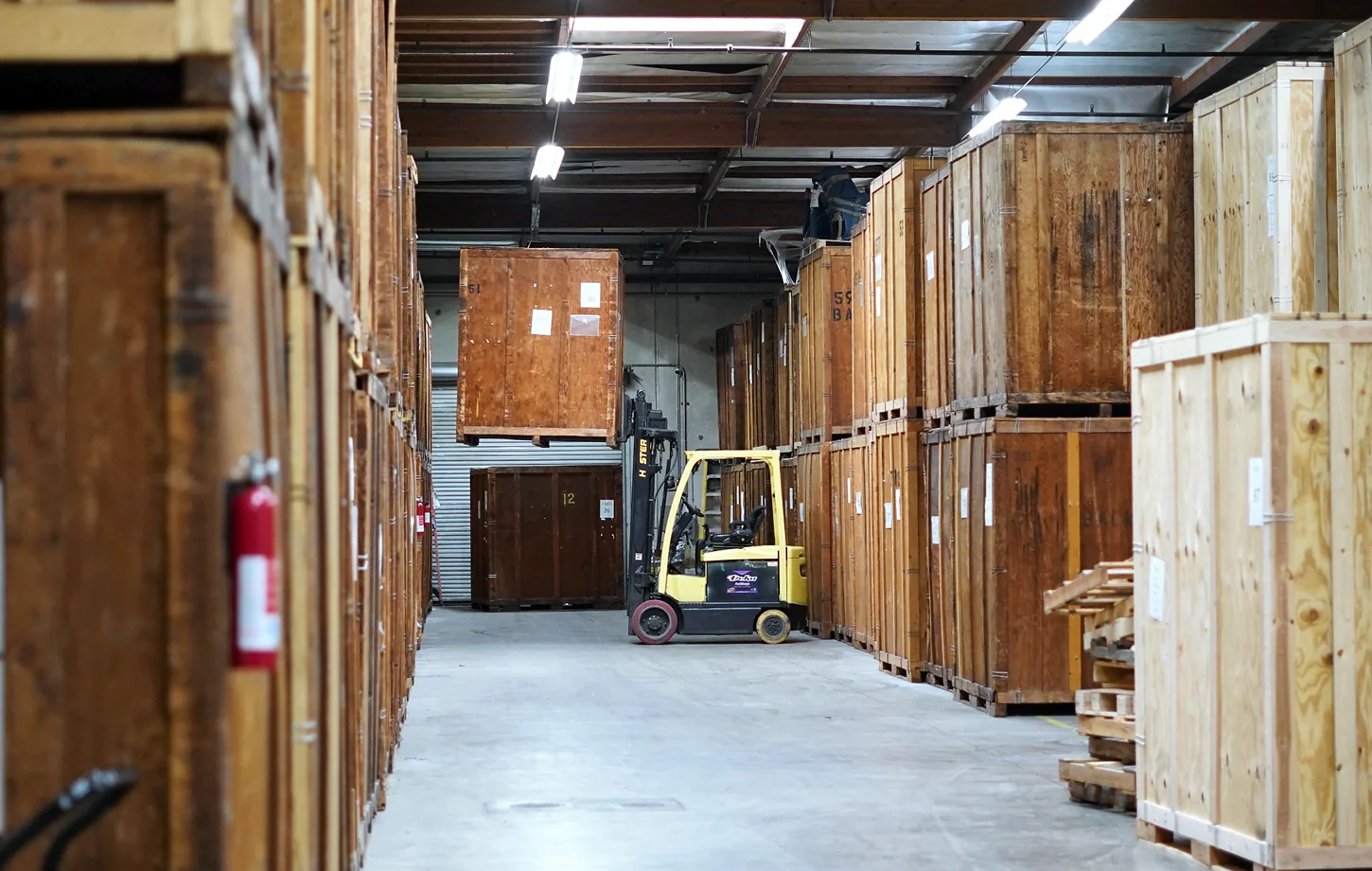
Use a More Durable System for Additional Handling and Time in Transit
Long-distance packing does not mean every item needs custom crating. It means ordinary cartons should be structurally sound, fully closed, cushioned against movement, and labeled clearly enough to remain understandable through loading, transportation, possible storage, and final delivery.
Interactive Packing Completion Checklist
Check each item as it is completed. The progress display is for your browser session and does not submit information to Vector Moving and Storage.
Open Priority Rooms First and Preserve Evidence When Something Is Damaged
Begin with bedrooms, bathrooms, basic kitchen supplies, medication, children’s and pet needs, and work equipment. Unpack one room at a time and flatten clean cartons as the room is completed.
Do not immediately discard a box, wrapping, hardware, or damaged item when a problem is discovered. Photograph the item, the packaging, the surrounding area, the inventory tag, and the damage before repair or disposal. Give the mover a reasonable opportunity to review or inspect the evidence when required.
Connect the Packing Plan to the Complete Move
Packing Services
Arrange self-support, partial packing, full packing, fragile items, kitchens, closets, offices, or unpacking.
Professional packing services →Moving Box Calculator
Estimate small, medium, large, wardrobe, dish-pack, and picture boxes by home size and household density.
How many moving boxes do you need? →Moving Crew Guide
See how move size, packing, stairs, access, storage, and specialty items can change the crew recommendation.
How many movers may you need? →Local Moving Checklist
Coordinate packing with the moving date, utilities, access, records, first-night items, and final walkthrough.
Moving-day preparation checklist →Local Moving Services
Review household, apartment, condominium, furniture-only, and approved multi-stop moving options.
Local moving services →Free Moving Quote
Submit the addresses, date, inventory, access, packing, storage, and specialty-item information for review.
Request a moving quote →Frequently Asked Questions
What should I pack first when moving?
How early should I begin packing?
How many moving boxes do I need?
Should books go in small or large boxes?
How should I pack dishes and glasses?
Can I use grocery-store boxes?
How should moving boxes be labeled?
What should not go on the moving truck?
Should I disassemble furniture myself?
What should go in an essentials box?
Can movers pack only the kitchen?
How do I pack electronics?
How do I pack boxes for storage?
Is packing different for a long-distance move?
What should I do with packing materials when an item is damaged?
Request Full or Partial Packing for Your Move
Tell Vector Moving and Storage about the property, rooms, inventory, fragile items, closets, books, kitchen, office, garage, packing status, storage, moving date, and access. The team can review the project and explain the appropriate packing and moving options.






No comment