How Many Movers Do I Need? A San Diego Moving Crew Guide
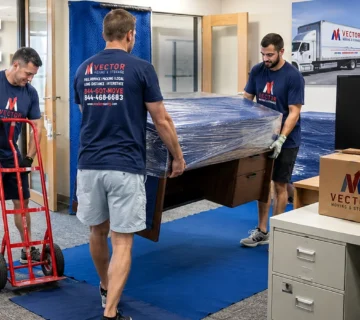
How many movers do I need? The answer depends on more than the number of bedrooms. Inventory, packing, stairs, elevators, parking, walking distance, furniture preparation, storage, specialty items, additional stops, and the desired schedule can all change the recommended crew.
This guide explains Vector Moving and Storage’s general planning ranges for studios, apartments, houses, packing projects, and more complex moves. These ranges are starting points—not guaranteed crew sizes, moving times, or final prices. The office should review the actual properties and inventory before confirming a plan.

Moving Crew Guide at a Glance
Use these ranges as a first conversation with the moving coordinator. A walkthrough, photographs, or complete inventory may change the recommendation.
Studio
2 MoversUsually suitable when packing is complete and access is reasonable. Full packing or unusually difficult access may require a different plan.
No packing Direct access1 Bedroom
2–3 MoversTwo movers are common. Consider three when packing is required, the inventory is heavy, or both locations have two or more flights of stairs.
2 standard 3 for added complexity2 Bedrooms
2–4 MoversTwo to three movers without packing. Significant packing or a very long carry may justify four. Stairs alone do not automatically require four.
2–3 no packing Up to 4 with added work3 Bedrooms
3–5 MoversThree to four without packing; four to five with partial packing. Full packing is often better divided into a separate packing day and moving day.
3–4 no packing 4–5 partial packing4 Bedrooms
4–5 MoversOne or two trucks may be needed depending on the inventory. Full packing is commonly scheduled on a separate day with approximately four packers.
1–2 trucks Separate packing dayLarge or Complex Home
Custom ReviewEstates, several structures, specialty collections, large storage areas, difficult access, or compressed schedules need an individual plan.
Walkthrough recommendedThe Same Size Home Can Require a Different Crew
A bedroom count gives the office a starting point, but it does not show how many boxes are in the garage, whether the truck can reach the entrance, how far the crew must walk, or whether part of the shipment is going to storage.
A two-bedroom home with completed packing and direct driveway access may be appropriate for a smaller crew. A two-bedroom apartment with unfinished packing, a long hallway, limited truck parking, and furniture stored in another location can require a larger team and a different schedule.
Studios, Apartments, and Houses Need Different Workflows
Studio: Usually Two Movers
Two movers are generally appropriate for a normally furnished studio when the belongings are packed, the truck can park reasonably close, and there are no unusually heavy items. A larger plan may be considered when full packing, difficult stairs, or a very long carry is involved.
One Bedroom: Usually Two Movers, Sometimes Three
Two movers are common for a standard one-bedroom move. A third mover may help when the crew must pack, prepare substantial furniture, manage a long hallway, handle a storage-unit stop, or work through two or more flights of stairs at both locations.
Two Bedrooms: Usually Two to Three Movers
A smaller, fully packed two-bedroom move with direct access may be suitable for two movers. Many fully furnished two-bedroom moves benefit from three. Significant packing or an unusually long route from the truck may justify four movers. Ordinary stairs can often still be handled by three movers when the inventory and other access conditions are manageable.
Three Bedrooms: Three to Four Movers Without Packing
A common starting range is three to four movers. A less-furnished home with direct access may work with three, while a full household with garage contents, patio furniture, several beds, a larger box inventory, or more difficult access may require four.
Three Bedrooms With Partial Packing: Four to Five Movers
Partial packing can include a kitchen, closets, artwork, books, fragile décor, or a home office. The scope should be described precisely. “A few things left” may mean one box to one customer and an entire kitchen to another.
Three Bedrooms With Full Packing: Consider a Two-Day Plan
A practical starting plan may use approximately three packers on the day before the move and three to four movers on moving day. Separating the stages gives the packing team time to organize fragile areas, close and label boxes, and prepare the home without delaying loading.
Four Bedrooms: Usually Four to Five Movers and One or Two Trucks
The truck recommendation depends on the actual volume. A four-bedroom property may also include several living areas, a garage, patio furniture, a home office, exercise equipment, guest rooms, and storage cabinets.
Four Bedrooms With Full Packing: Separate the Packing Day
A possible starting plan is approximately four packers on a separate packing day, followed by four to five movers on moving day. Larger inventories, specialty items, multiple structures, or a strict completion deadline may require additional labor or another day.
No Packing, Partial Packing, and Full Packing Are Different Moves
The crew recommendation should use the same packing categories as the quote form. This prevents confusion between what the customer expects and what the moving team is assigned to complete.
For larger homes, full packing and moving everything on the same day can create an unnecessarily long schedule. A separate packing day often produces better labels, more organized boxes, and a more predictable moving-day start.
Explore full and partial packing services →
Access and Services Can Matter as Much as Home Size
Open boxes, fragile items, unfinished rooms, and full packing can add a major separate workload.
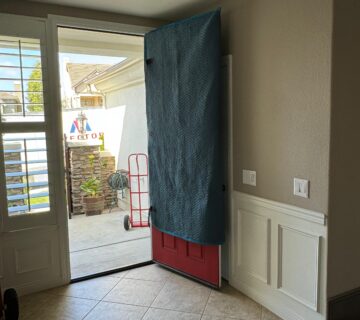
Number of flights, width, turns, landings, exterior routes, and stairs at both addresses all matter.
Reservation status, dimensions, building hours, hallway length, and waiting time can affect productivity.
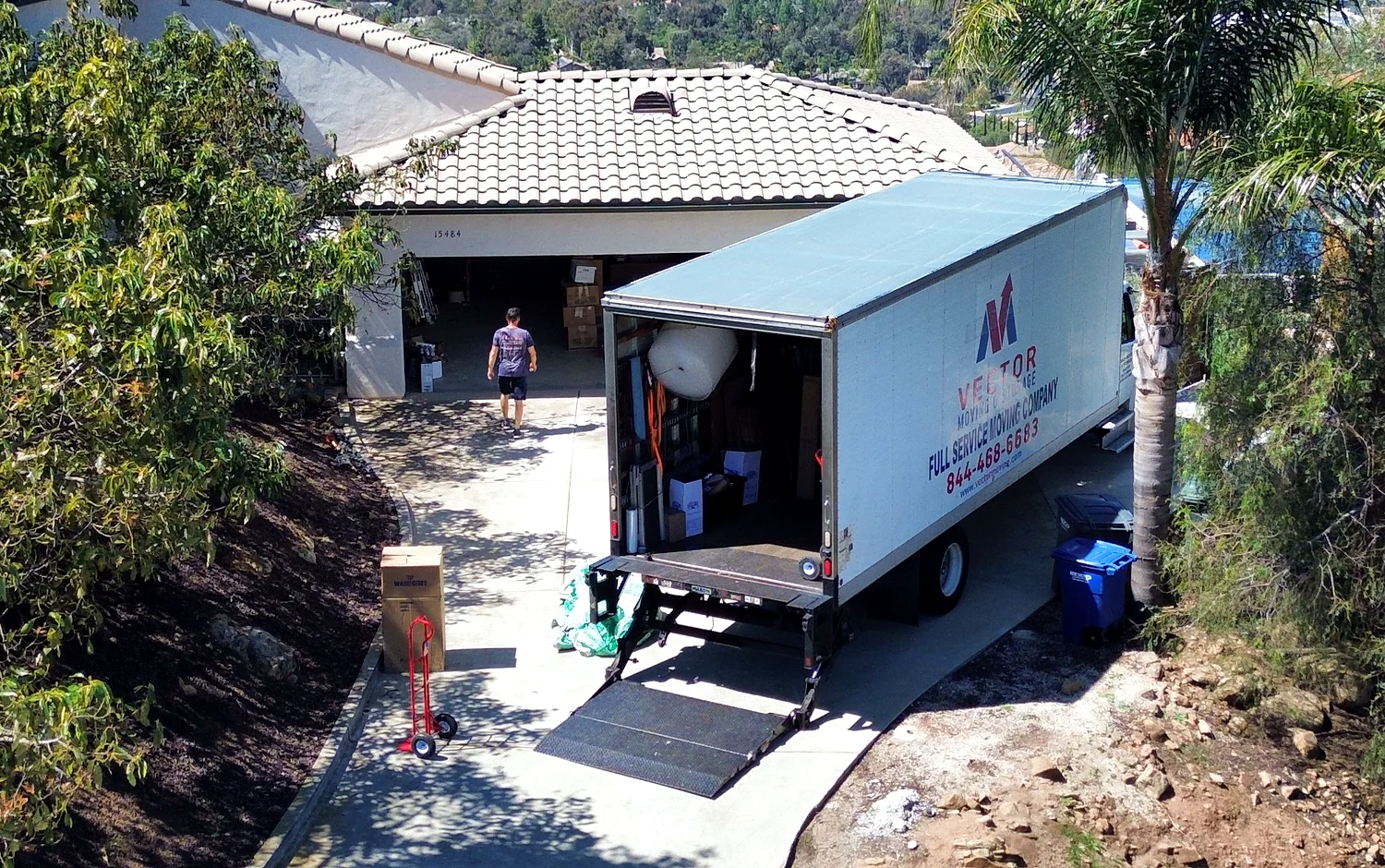
A distant lawful truck location can increase the walking route for every item in the shipment.
Several beds, sectionals, shelving systems, adjustable furniture, or office pieces add preparation time.
Safes, pianos, stone furniture, large glass, exercise equipment, and appliances need advance review.
Storage units, family residences, donations, offices, or several delivery addresses affect loading order.
Elevator deadlines, key returns, business reopening, or same-day requirements can change staffing.
The Crew Must Fit the Workflow and the Property
A larger crew can improve productivity when the home contains enough work and several people can operate safely at the same time. It may not help when the elevator, narrow stairway, loading dock, or truck position is the real bottleneck.
The goal is not to assign the largest crew. It is to assign enough trained movers for the inventory, access, packing, equipment, and schedule without creating unnecessary congestion.

How Many Moving Trucks Do I Need?
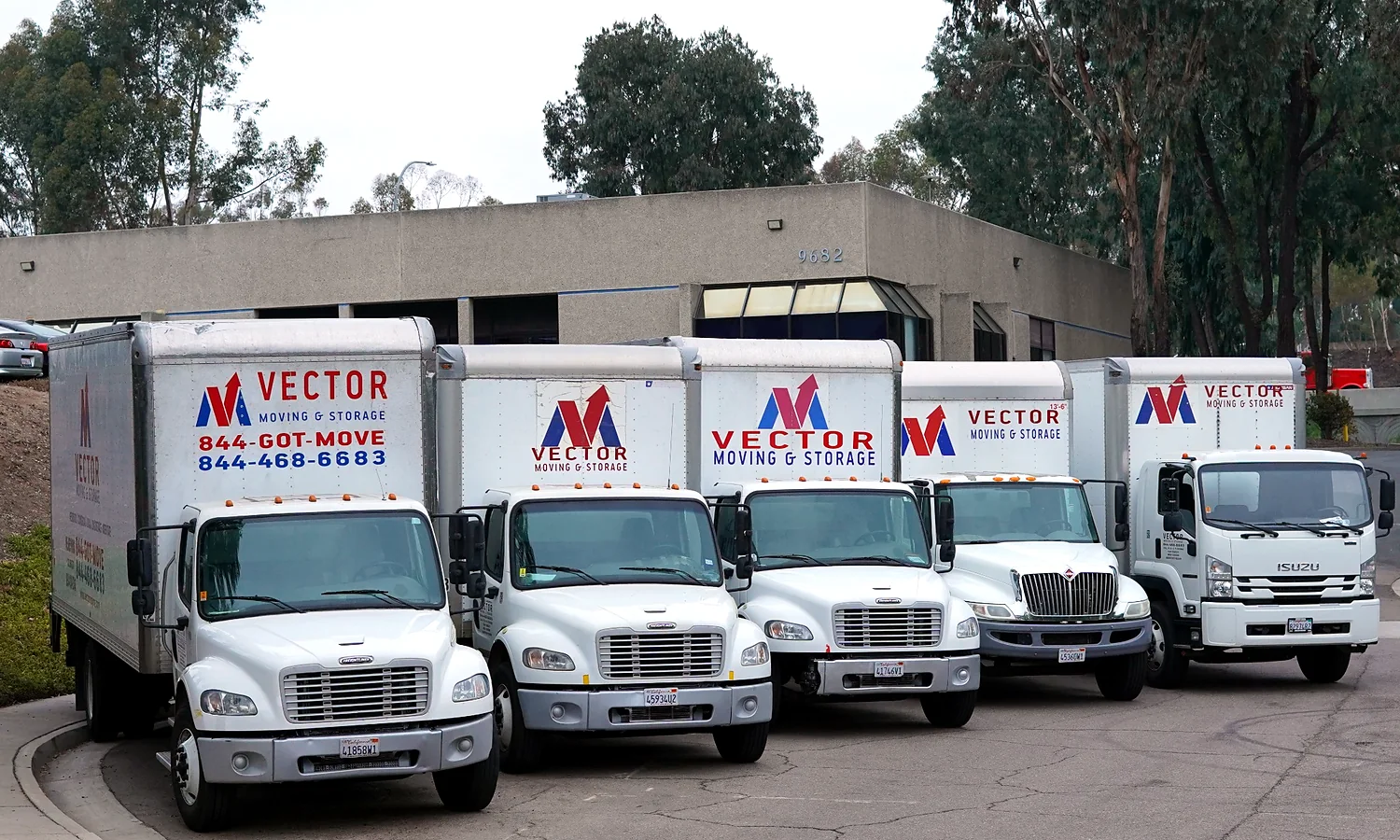
Truck capacity depends on the volume and shape of the shipment, not only the number of rooms. Sectional sofas, mattresses, patio furniture, exercise equipment, appliances, garage contents, oversized tables, wardrobe cartons, and storage-unit contents can use substantial space.
A one-bedroom move may fit comfortably in one truck. A heavily furnished three- or four-bedroom home may need a larger truck, a second truck, or a different loading plan. An accurate inventory and photographs help the office evaluate capacity before the date.
What to Provide Before the Crew Is Assigned
Complete information helps the moving coordinator recommend a more appropriate crew, truck, equipment, and schedule.
Photographs are especially useful for driveways, stairs, elevators, garages, storage units, loading areas, large furniture, and any item that may require special handling.
Common Moving Crew-Size Mistakes
Turn the Crew Guide Into a Complete Moving Plan
Local Moving Services
Homes, apartments, condominiums, furniture-only moves, and approved additional stops.
Local movers in San Diego →Packing Services
No packing, partial packing, full packing, fragile items, kitchens, wardrobes, and unpacking.
Professional packing services →Moving and Storage
Pickup, warehouse storage, scheduled access, and final delivery when the next property is ready.
Moving and storage in San Diego →Moving Cost Guide
Learn how inventory, access, rate basis, packing, storage, and specialty items affect the quote.
San Diego moving cost guide →Commercial Moving
Office crews are planned around furniture, files, access, vendors, business hours, and reopening priorities.
Commercial and office movers →Service Areas
Explore city and neighborhood moving pages throughout San Diego County.
San Diego moving service areas →Frequently Asked Questions
How many movers do I need for a studio?
How many movers do I need for a one-bedroom apartment?
Can two movers handle a two-bedroom apartment?
How many movers do I need for a three-bedroom house?
How many movers do I need for a four-bedroom house?
Do stairs automatically require another mover?
Does a larger crew always finish faster?
Can photographs help determine the crew size?
Should full packing and moving be scheduled on different days?
Is the crew-size recommendation a guaranteed moving time?
How Many Movers Does Your Move Need?
Tell Vector Moving and Storage about the addresses, inventory, stairs, elevators, parking, packing, storage, specialty items, additional stops, and preferred date. Complete details help the team recommend a crew, truck, and service plan for the actual project.