
San Diego Long-Distance Moving Checklist: Plan From Pickup to Delivery
A long-distance move requires more than packing boxes and choosing a date. Use this practical checklist to organize the inventory, written estimate, building access, packing, transportation documents, delivery plan and any storage needed between homes.

Is the Move Within California or Across State Lines?
A move from San Diego to another California city is an intrastate move. A household move that crosses a state line is an interstate move. The distinction matters because California and federal rules use different documents, consumer information and licensing systems.
For a California household move, review the current guidance from the California Bureau of Household Goods and Services. For an interstate household move, use FMCSA Protect Your Move to understand mover registration, estimates, bills of lading, valuation and consumer rights.
This article is the planning guide. Vector’s San Diego long-distance moving service page explains available transportation, packing, storage and delivery options.

The route, shipment and access conditions should be reviewed before loading day.
A Long-Distance Moving Timeline From San Diego
Use these ranges as a planning framework, not a guarantee. Your schedule may need more or less time depending on the season, route, shipment, packing, building rules, storage and transportation availability.
Build the Inventory Before Requesting Estimates
Walk through every bedroom, closet, cabinet, garage, patio, office and off-site storage area. A useful inventory includes items that are easy to forget, such as bicycles, outdoor furniture, wall-mounted televisions, safes, exercise equipment, garage shelving and belongings already in storage.
List What Is Moving
Count boxes and furniture by room. Identify pieces that may need disassembly, special preparation or a separate destination.
Photograph Unusual Items
Share dimensions and clear photographs of glass, stone, antiques, artwork, oversized furniture, heavy items and fragile construction.
Remove What Is Not Moving
Sell, donate, recycle or discard approved items early. Do not assume every household material can be placed on a moving truck.

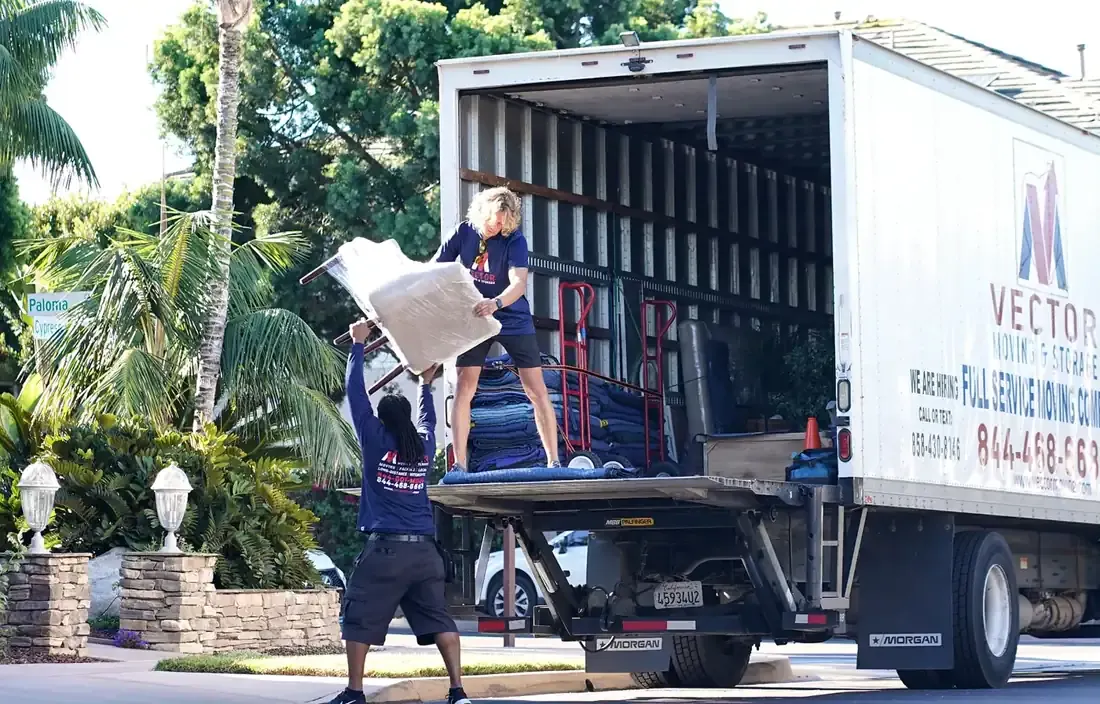
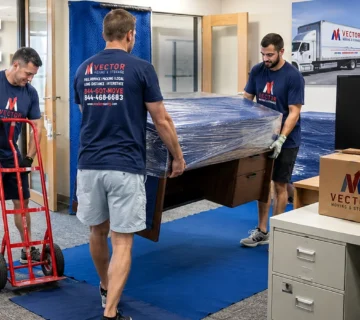
Furniture preparation should match the item, access route and transportation plan.
Compare the Written Scope—not Just the Total
Estimates are easier to compare when every company receives the same inventory and property details. Ask what service is actually being quoted and which company will transport the shipment.
- Origin and destination addresses
- Estimated pickup and delivery windows
- Inventory and requested packing
- Stairs, elevators and walking distance
- Dedicated or shared transportation
- Storage and additional stops
- Valuation choices and exclusions
- Payment, deposit and cancellation terms
Do not treat a general website statement as part of your individual agreement. The written estimate, moving agreement or bill of lading should describe the selected services and charges. Avoid invented online price ranges: the real cost depends on the actual shipment and route.
Verify the Mover and Understand Your Documents
For interstate household moves, FMCSA says movers must provide the Your Rights and Responsibilities When You Move booklet and the Ready to Move brochure before the move. Use the federal registration search linked from Protect Your Move and confirm whether you are dealing with the mover or a broker.
For moves within California, BHGS advises consumers to verify that the company is authorized to operate and to review the required moving agreement and consumer documents. California’s official guidance also explains the Not-to-Exceed price used for household moves and the need to document customer-requested changes.
Confirm Identity
Match the company name, physical address, license or U.S. DOT information and the carrier named in your written documents.
Read Before Signing
Review the inventory, estimate type, rates, services, dates or windows, valuation selection, claims information and payment terms.
Keep Your Copies
Save estimates, agreements, inventories, receipts, photographs and written updates in a folder you can access during travel.
Choose a Packing Plan That Fits the Shipment
You can pack independently, request help for selected rooms or fragile categories, or arrange a broader packing service. Decide the division of work early so the estimate, supply plan and moving-day schedule match.
Use sturdy, closed boxes; distribute weight safely; fill empty space; and label each carton with the destination room and a simple inventory description. Keep fasteners from disassembled furniture in labeled bags. Photograph cable layouts before disconnecting electronics.
Keep These Items Outside the Shipment
Carry passports, identification, medications, keys, cash, jewelry, financial records, irreplaceable documents, urgent electronics and anything needed before delivery. Ask the mover for its prohibited-items guidance before packing liquids, aerosols, fuel, chemicals, batteries, plants, food or other restricted materials.
Vector’s San Diego packing services page explains available help for full or partial packing.

Organized wrapping, labeling and room planning support a smoother delivery.

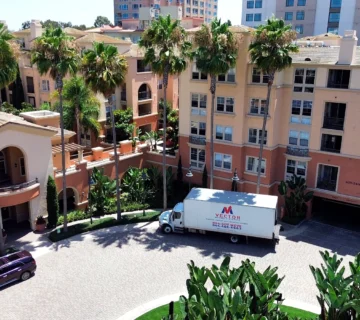
Review protection and access requirements at both properties.
Plan Access at Pickup and Delivery
The destination can affect the move as much as the San Diego pickup. Contact property management, the owner or the receiving contact before the estimate is finalized.
- Lawful truck parking or loading location
- Street, driveway and gate dimensions
- Garage height clearance
- Stairs and elevator reservations
- Distance from truck to entrance
- Approved move and delivery hours
- Door, floor and wall protection
- Certificate-of-insurance requirements
Send photographs or video of difficult access, sharp turns, steep driveways and narrow doorways. If public curb space or traffic control is involved, verify current requirements with the applicable city rather than assuming the building can reserve the street.
Prepare for the Time Between Pickup and Delivery
A delivery estimate is not the same as an appointment unless your written agreement says so. Timing can be affected by the selected transportation arrangement, route, access, schedule, weather, mechanical conditions and customer availability. Keep current telephone numbers on file and know who is authorized to receive the shipment.
Your Travel Bag
Pack clothing, toiletries, medication, chargers, work items, children’s necessities, pet supplies and essential household items for the expected travel and delivery period.
Destination Readiness
Confirm utilities, keys, elevator or dock access, parking, room labels and the person who will meet the truck and direct placement.
Communication Plan
Save the mover’s contact information and your shipment documents. Remain reachable and report changes to access or availability promptly.
Decide Whether the Move Needs Storage
Storage may help when a lease ends before the new property is ready, a closing date changes, construction is incomplete or a shipment needs to be delivered in phases. The storage plan should be part of the estimate rather than an assumption made after pickup.
Storage in transit generally describes a temporary hold connected to one active move. Moving and storage services may fit a broader planned gap. Ask how the shipment will be inventoried, where it will be held, how access requests work, what charges apply and how final delivery will be scheduled.

Storage should be coordinated with the inventory and final-delivery plan.
Common Long-Distance Moving Mistakes
Comparing Unequal Estimates
One quote may include packing or storage while another does not. Compare the same inventory, access and service arrangement line by line.
Ignoring Delivery Access
A truck that fits at the San Diego home may not fit at the destination. Review both addresses before booking.
Packing Essentials
Documents, medication, keys and first-night items should travel with you, not inside an ordinary household shipment.
Changing the Inventory Late
Unreported additions can affect labor, space, documents and cost. Update the mover before pickup.
Assuming Exact Delivery
Review the written delivery window and transportation arrangement instead of relying on a casual verbal expectation.
Skipping Credential Checks
Use the applicable California or federal licensing resources and confirm the responsible mover before signing.
Information to Gather Before Calling
A useful estimate begins with specific information about the real move:
- Exact pickup and delivery addresses
- Preferred dates and flexibility
- Room-by-room inventory
- Photographs of unusual items
- Stairs, elevators and walking distance
- Packing and unpacking needs
- Storage or extra stops
- Building rules and approved hours
- Person receiving the delivery
- Items traveling with you
San Diego Long-Distance Moving FAQs
How early should I plan a long-distance move from San Diego?
Is every move over a certain number of miles an interstate move?
What information makes a long-distance estimate more accurate?
Should I choose a mover based on the lowest estimate?
Can I pack my own boxes for a long-distance move?
What should stay with me during the move?
Can storage be added between pickup and delivery?
How do I check a long-distance mover’s license?
Ready to Discuss Your Move From San Diego?
Bring your completed San Diego long-distance moving checklist when you contact Vector Moving and Storage. Share the route, inventory, property access, packing, timing, delivery and storage needs so the team can determine which services are available for the move.
Vector Moving and Storage
Phone: 844-468-6683
San Diego services: Local and qualifying long-distance moving, packing, furniture preparation, moving and storage, and delivery.
Published credentials: CAL-T 191802 · CA 530531 · MC 105580 · DOT 3152229