

How to Choose a Long-Distance Moving Company: 12 Checks Before You Book
Learning how to choose a long-distance moving company starts with more than reading star ratings. The company, authority, inventory, estimate, included services, valuation selection, delivery plan and final contract should all describe the same move.
This guide gives San Diego customers a practical way to compare movers without treating the lowest initial number as the only decision. It explains what to verify, what to ask and what should be written down before anyone signs or pays.

California Moves and Interstate Moves Use Different Regulators
A move from San Diego to another California city is an intrastate move. A move that crosses a state line is an interstate move. That distinction changes which operating authority and consumer documents matter, so begin by identifying the actual origin and destination rather than using “long-distance” as if it were one legal category.
Moves Within California
California household movers are regulated at the state level. Consumers can check a mover through the Bureau of Household Goods and Services and review the mover’s state information before booking.
California mover information →Moves Across State Lines
Interstate household-goods carriers and brokers fall under federal rules. FMCSA’s search can show registration and complaint information associated with the business.
Search an interstate mover →Ask Whether You Are Hiring a Carrier or a Broker
A carrier transports household goods with its operating resources. A broker arranges transportation with a carrier but does not itself transport the shipment. Both roles can be legitimate, but the customer should know which company is accepting the booking, which company is expected to perform pickup and which business will be responsible during transportation.
If the business is a broker, ask when the performing carrier will be identified, whether that carrier has accepted the move and how changes are handled. Never assume that the logo on a lead form or the person who made the first call will be the name on the truck.
Official reference: FMCSA’s explanation of movers and brokers.
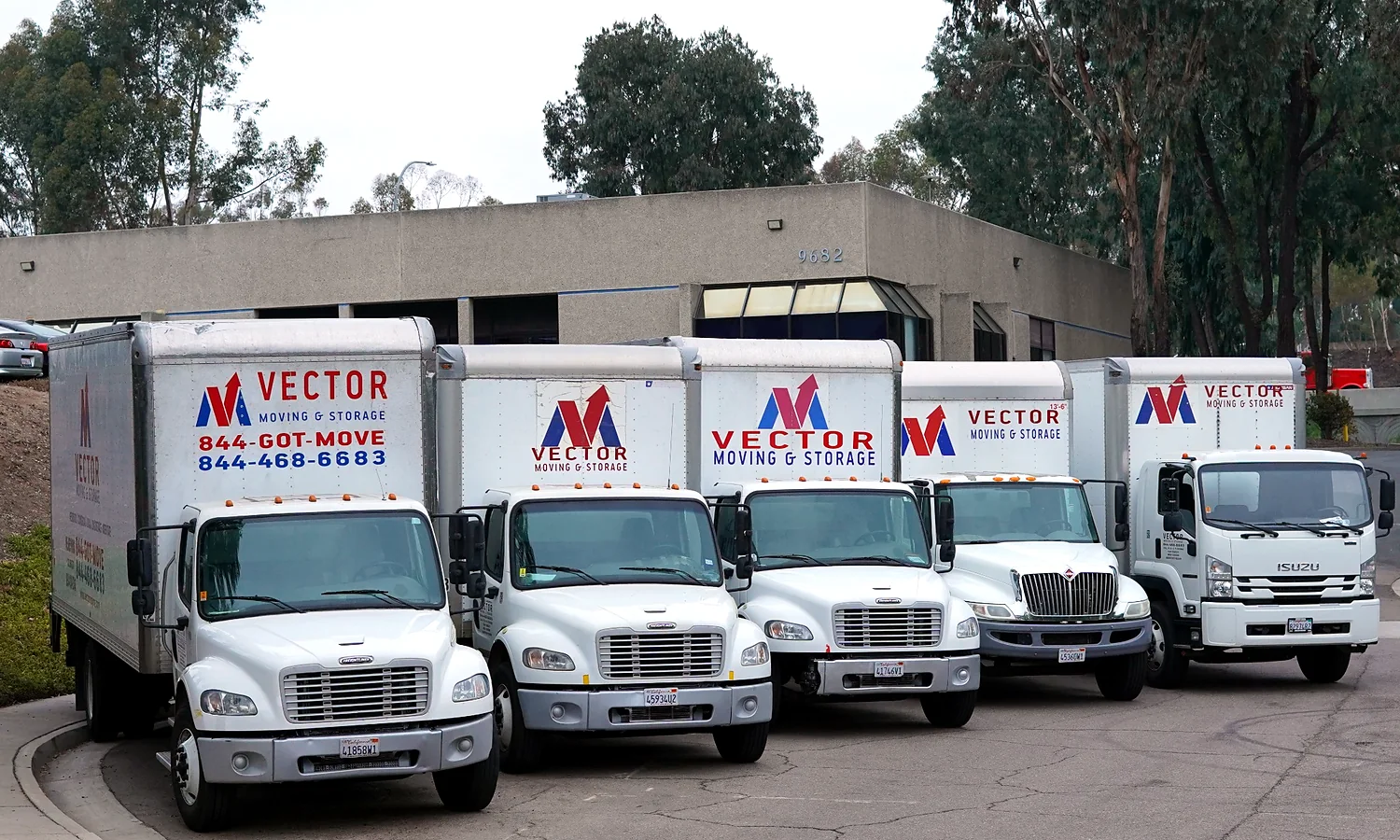
Complete These 12 Checks Before Booking
Use these checks in order. When deciding how to choose a long-distance moving company, a good comparison becomes much easier when every business receives the same facts and answers the same questions.
Identify the Legal Company
Record the full legal name, physical address, telephone number and website. Confirm that the name on the estimate is the company you researched—not a similar brand, marketing site or lead seller.
Verify Current Authority
Use the appropriate government lookup for the route. Review registration status and business details, and resolve inconsistent names or numbers before continuing.
Confirm Carrier or Broker Status
Ask directly whether the company will transport the shipment. If a broker is involved, obtain the performing carrier’s identity and documents when assigned.
Provide One Complete Inventory
Give every estimator the same furniture, cartons, closets, garage contents, specialty items, pickup address and destination facts. An incomplete inventory makes prices impossible to compare fairly.
Request a Real Survey
Use an in-home or detailed virtual walkthrough when appropriate. Open closets and cabinets, show stairs and carrying routes, and disclose storage, additional stops or items that need special handling.
Compare Equal Services
Check whether labor, transportation, fuel, materials, furniture protection, disassembly, stairs, elevators, long carries, shuttles, storage and delivery are included or priced separately.
Understand the Estimate Type
Read whether the estimate is binding, non-binding or another permitted format for the move. Ask what could change the amount and how additional services must be approved.
Get Pickup and Delivery Terms
Ask for the pickup plan and written delivery window. Clarify whether transportation is dedicated or may be consolidated, how updates are provided and what happens if access changes.
Review Valuation Choices
Valuation is the mover’s contractual level of responsibility for loss or damage; it is not simply ordinary household insurance. Read the options, exclusions, declared-value requirements and claim procedure.
Price Packing and Storage
Separate customer packing, partial packing, full packing, unpacking, custom crating, warehouse handling and storage. Confirm access or retrieval rules if storage may be needed.
Read Payment and Cancellation Terms
Confirm deposits, accepted payment methods, payment timing, cancellation rules and refund terms in writing. Do not rely on a telephone promise that conflicts with the contract.
Evaluate the Complete Record
Use reviews as one signal, then compare them with authority, complaint patterns, written answers and contract quality. A professional process should remain consistent from estimate through booking.
Give Every Mover the Same Description of the Job
Two prices are not comparable if one company saw the garage, stairs and packed closets while another received only a bedroom count. Create a master inventory and reuse it for every estimate. Update each mover when you add furniture, change packing responsibility, add a stop or discover an access restriction.
At pickup and delivery, disclose elevators, reservation hours, loading docks, stairs, long walking distances, gates, narrow roads, parking restrictions and truck-clearance limits. For apartments, condos and offices, confirm certificates of insurance and building rules early enough to avoid a last-minute change.

Compare Written Estimates With the Same Worksheet
Do not compare only the bold total. Put each written estimate beside the same checklist. A higher figure that includes packing materials, difficult access or storage may represent a different scope from a lower figure that excludes those services.
| Comparison item | Company A | Company B | Company C |
|---|---|---|---|
| Legal name and role Carrier or broker? | Record exact name | Record exact name | Record exact name |
| Inventory basis In-home, virtual or customer list? | Method and date | Method and date | Method and date |
| Estimate type What can change? | Written terms | Written terms | Written terms |
| Included services Labor, protection, transport, materials | List inclusions | List inclusions | List inclusions |
| Possible additions Stairs, shuttle, long carry, storage | Rates or method | Rates or method | Rates or method |
| Pickup and delivery Dates, windows and communication | Written plan | Written plan | Written plan |
| Valuation Selected option and cost | Choice | Choice | Choice |
| Payment and cancellation | Written terms | Written terms | Written terms |

Understand Services That Commonly Change the Scope
Long-distance estimates may differ because the companies are pricing different work. Ask how furniture is prepared, whether carton packing is included, what happens if a truck cannot approach the property, and whether storage creates separate handling or delivery charges.
Ask How the Shipment Will Travel and How You Will Receive Updates
A delivery “date” and a delivery “window” are not the same. Ask what the written documents promise, what factors may affect timing, how the carrier contacts you and how much notice is typically provided before arrival. Avoid planning a closing, flight, elevator reservation or immediate work start around an informal verbal date.
Also ask whether the shipment uses a dedicated truck or is scheduled with other shipments. Neither structure should be inferred from a photograph or marketing phrase. What matters is that the transportation method, pickup commitment, delivery terms and communication process are explained clearly enough for you to plan.
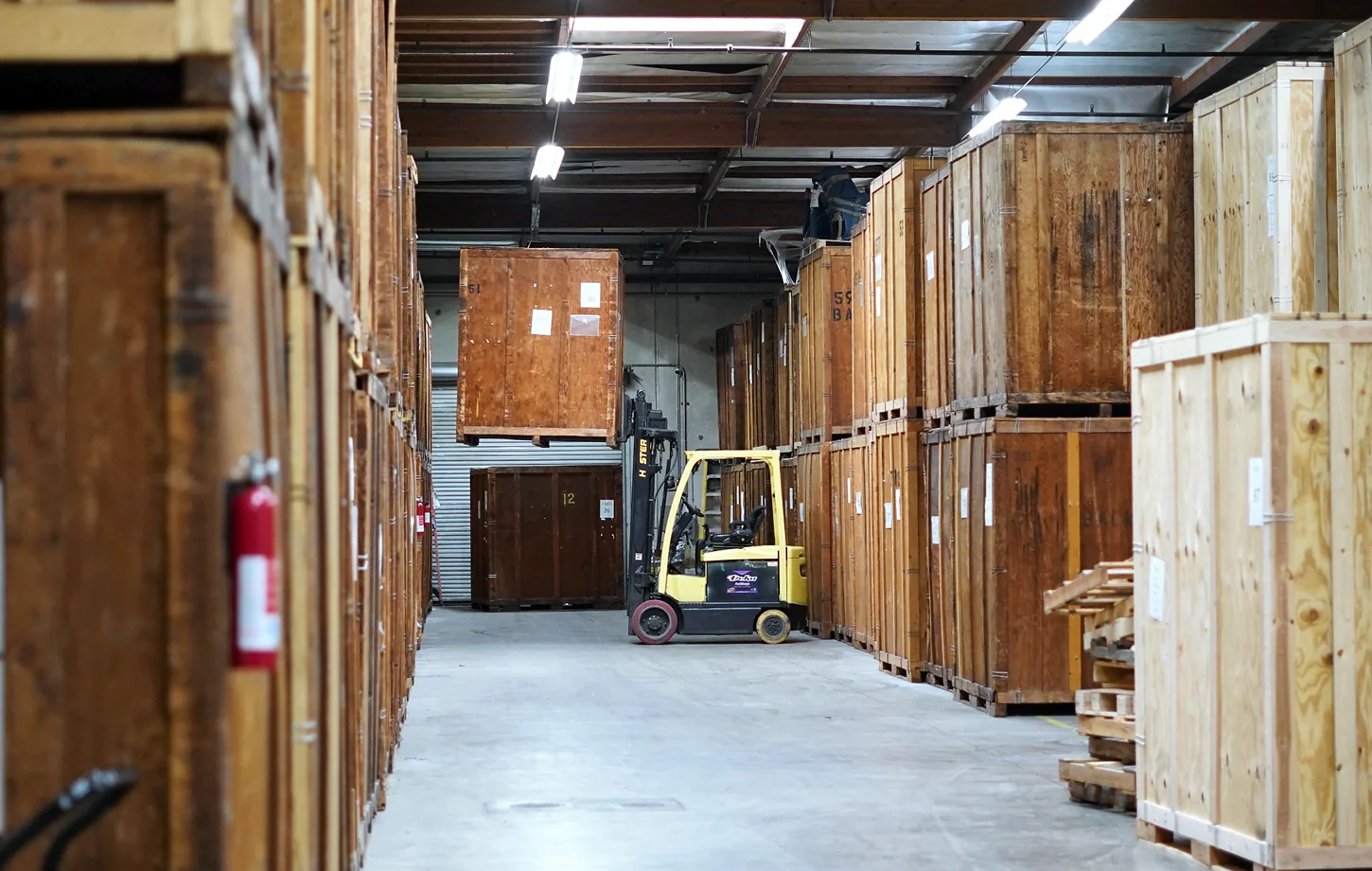
Watch for Long-Distance Moving Red Flags
No single detail proves that a company is unsafe or unreliable. A pattern of identity problems, missing documents, pressure and inconsistent explanations should cause you to slow down and verify the move before proceeding.
Use This Final Booking Checklist
Legal name, address, phone number and role.
Carrier identity and authority if different.
Attach or save the version used for the estimate.
Labor, materials, protection, transportation and delivery.
Access, changes, packing, storage and specialty work.
Read how the total can change.
Date, window, crew contact and required preparation.
Window, notice, destination access and payment.
Option, declared values, exclusions and cost.
Notice method, documentation and deadlines.
Deposit, accepted methods and balance timing.
Deadlines, fees and refund conditions.
Continue Planning the Long-Distance Move
Long-Distance Moving Services
Review Vector’s qualifying long-distance transportation, packing and storage support.
View long-distance moving →Complete Moving Checklist
Coordinate inventory, access, packing, documents and delivery from beginning to end.
Open the moving checklist →Long-Distance Packing Guide
Use a room-by-room plan for cartons, fragile belongings, labels and essentials.
Read the packing guide →Moving Mistakes to Avoid
Review planning errors involving estimates, access, packing, documents and timing.
Review moving mistakes →Frequently Asked Questions
How many long-distance moving estimates should I get?
Should I choose the lowest long-distance moving estimate?
How do I verify an interstate moving company?
How do I check a mover for a move within California?
What is the difference between a moving carrier and a broker?
Is an online or telephone quote enough?
What should be included in my moving inventory?
Why can two long-distance estimates be very different?
Is moving valuation the same as insurance?
Should a mover guarantee my exact delivery date?
What documents should I keep?
When should I stop and reconsider a mover?
Request a Detailed Long-Distance Moving Quote
Tell Vector Moving and Storage about the full inventory, both properties, packing needs, difficult access, storage, preferred timing and specialty items. A complete description gives the moving team a stronger foundation for the written estimate and transportation plan.




No comment