
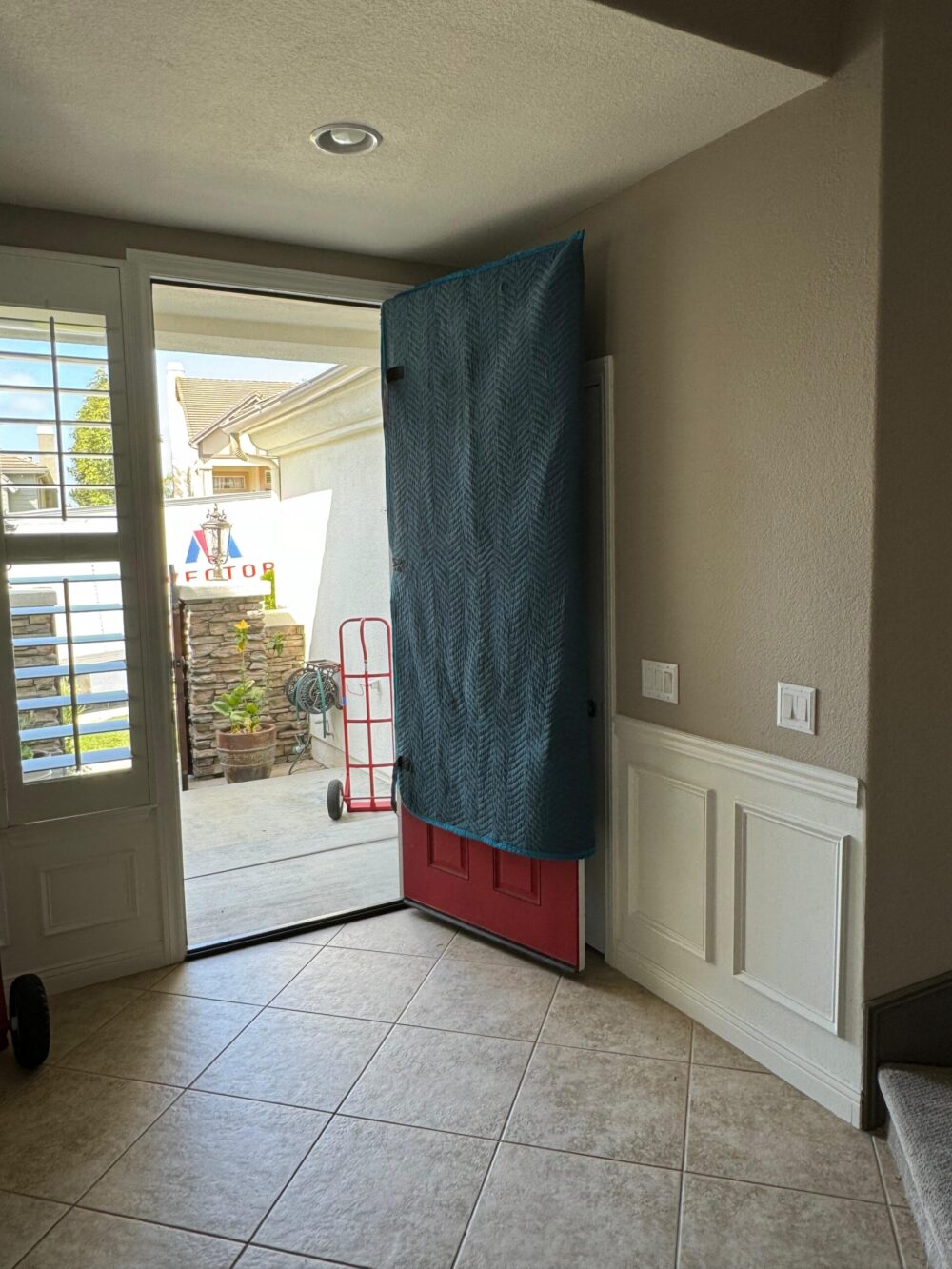
Moving to San Diego? A Practical Neighborhood and Relocation Guide
Moving to San Diego requires more than choosing a neighborhood or comparing housing listings. A useful San Diego relocation guide should help you evaluate the daily commute, property type, parking, moving-truck access, stairs, elevators, HOA requirements, climate differences, storage needs, packing schedule, utilities, schools, and the timing between your old and new homes.
This guide explains how coastal, urban, suburban, inland, East County, and South Bay moves can differ. It is written from a mover’s perspective so you can identify practical issues before signing a lease, closing on a property, reserving a moving date, or sending a truck to an address that has not been reviewed.
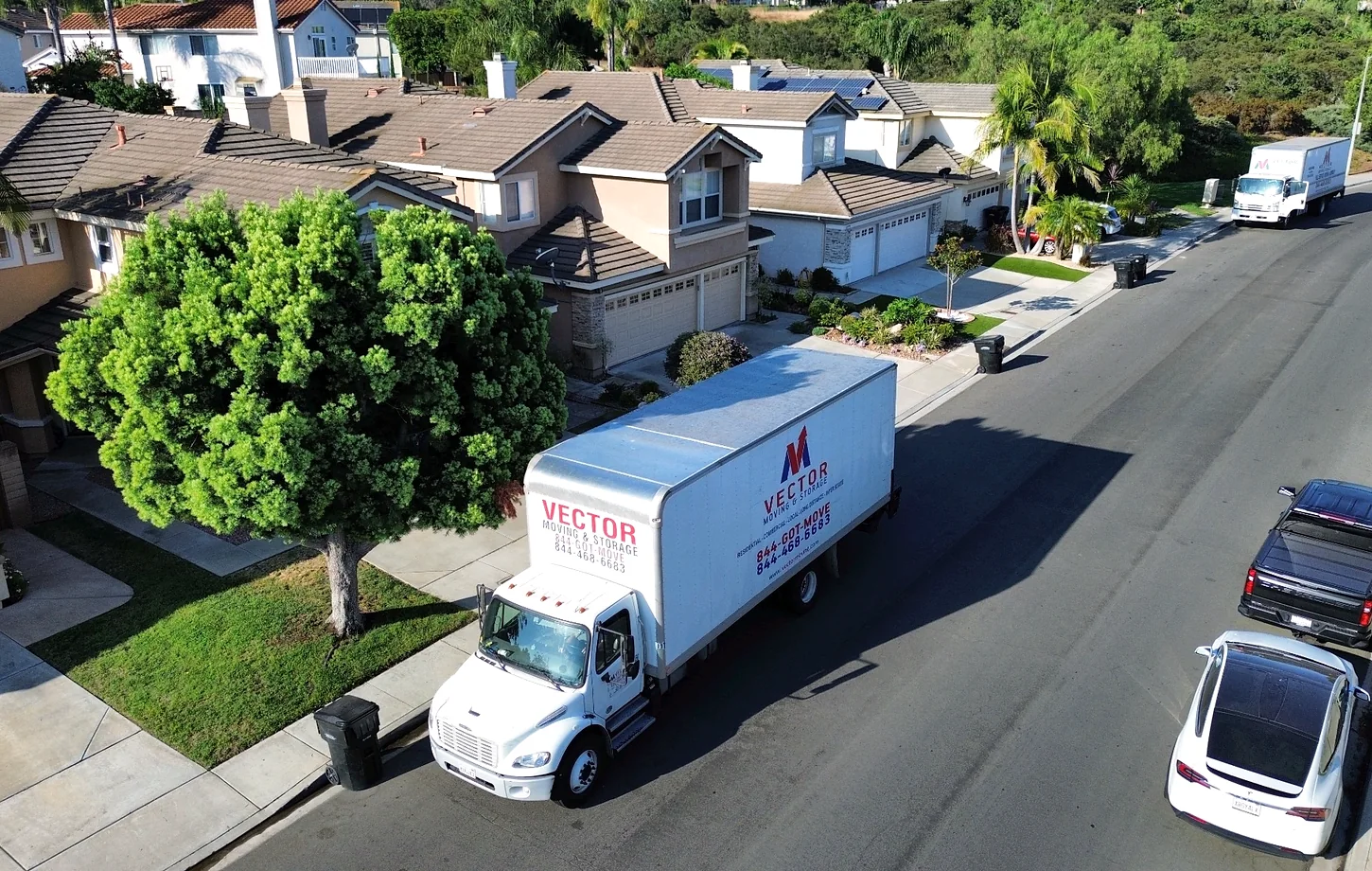
Different Parts of the County Create Different Moving Plans
San Diego is not one uniform moving market. The region includes dense urban buildings, beach communities, planned neighborhoods, inland hills, rural-edge properties, military-connected moves, and communities governed by different cities, county departments, HOAs and property managers.
Central & Urban San Diego
Downtown, Hillcrest, Normal Heights, Mission Valley and nearby communities may involve apartments, high-rises, elevators, loading areas, metered curb space, garages and active commercial streets.
Explore Downtown San Diego movers →Coastal San Diego
La Jolla, Pacific Beach, Mission Beach, Point Loma and Coronado can include beach traffic, limited curb space, condominium rules, stairs, hills and longer routes from the truck.
Explore La Jolla movers →North County Coastal
Del Mar, Encinitas, Carlsbad and Oceanside combine coastal properties, older homes, apartments, planned communities, HOAs, gated residences and active village or downtown areas.
Explore Carlsbad movers →North County Inland & I-15
Poway, Rancho Bernardo, Scripps Ranch, San Marcos and Escondido often involve larger homes, garages, patios, hills, gates, cul-de-sacs, business parks and multiple storage areas.
Explore Poway movers →East County
La Mesa, Lemon Grove, Spring Valley, El Cajon, Lakeside and Alpine may include older housing, apartments, steeper grades, private roads, larger lots, rural-edge access and warmer inland conditions.
Explore La Mesa movers →South Bay & Coronado
Chula Vista, South Bay communities and Coronado include homes, master-planned neighborhoods, apartments, military-related relocations, commercial properties, gates and waterfront access.
Explore Chula Vista movers →Start With the Routine You Need After Moving Day
A neighborhood can look convenient on a map and still create a difficult daily route. Test the commute at realistic times, review transit or parking needs, confirm school or childcare boundaries directly, and consider how the property will function for the people, pets, vehicles and belongings moving into it.

Housing Type Changes the Moving Plan
A relocation to a Downtown tower requires a different plan from a coastal cottage, a postwar Clairemont home, an Otay Ranch townhome, a gated North County property or a hillside residence in East County.
High-Rise & Managed Buildings
Confirm freight elevators, service entrances, loading docks, certificates of insurance, garage clearance, deposits, approved hours and common-area protection.
Coastal Condos & Apartments
Review curb access, beach traffic, alley or courtyard routes, exterior stairs, HOA rules, elevators and the distance between the truck and unit.
Older Urban Homes & Duplexes
Measure narrow entries, interior turns, older stairs, additions, garages, detached rooms and furniture that may not fit through the planned route.
Planned Communities & HOAs
Ask about gates, loading locations, parking restrictions, move-in hours, elevator reservations, security check-in and required notice.
Hillside & Canyon Properties
Send photographs of driveway grade, road width, overhead clearance, exterior stairs, retaining walls, truck turnaround and long carries.
Larger Homes & Storage Areas
Include garages, patios, sheds, workshops, home offices, guest areas, closets, outdoor equipment and off-site storage in the inventory.
Review the Entire Route From the Truck to Every Room
The closest curb space is not automatically available, lawful or suitable for a moving truck. Read posted signs, check street-sweeping schedules, confirm private-property rules and identify the approved truck location at both addresses.
For apartments, condominiums and offices, obtain written instructions from management before moving day. Send any certificate-of-insurance wording, elevator rules and loading reservations to the mover in advance.

The Housing Transaction Changes the Relocation Schedule
Renters
Confirm the lease start, key pickup, elevator or loading reservation, parking, property-management requirements, move-in hours, deposits, final move-out inspection and the deadline for returning keys at the old property.
Buyers
Confirm when possession and keys are actually available. Closing, recording, repairs or seller occupancy can affect the delivery time. Avoid scheduling the truck from an assumed timeline that has not been confirmed.
Sellers
Coordinate packing, final walkthroughs, cleaning, buyer access, keys and the exact possession deadline. A storage plan may be useful when the next home is not ready.
Renovations or Delayed Access
When flooring, painting, restoration or remodeling continues after closing, consider temporary storage or a staged delivery rather than placing the entire shipment into an active work area.
Moving Expenses Extend Beyond the Mover’s Invoice
Avoid planning from one generic online average. The actual transition may include several categories before the move, on moving day and after arrival.
Moving Service
Inventory, crew, truck, rate basis, travel, access, stairs, elevators, additional stops and specialty items.
Packing & Materials
Full or partial packing, boxes, paper, tape, wardrobe cartons, dish packs and specialty preparation.
Housing Transition
Deposits, overlapping rent or ownership, cleaning, repairs, utility setup and temporary lodging.
Building & HOA Costs
Move deposits, reservations, parking arrangements, security access and required common-area protection.
Travel & Personal Logistics
Vehicle expenses, lodging, meals, childcare, pet care and essentials needed before the shipment is unpacked.
Storage & Delays
Pickup, warehouse handling, storage duration, retrieval, additional handling and final delivery.
Plan the Housing, Move and Arrival as One Project
Separate What Travels With You From What Goes on the Truck
Pack by destination room and identify the items needed before the main shipment is completely unpacked. Professional packing can cover the whole home or selected areas such as the kitchen, closets, artwork, books, fragile décor or home office.
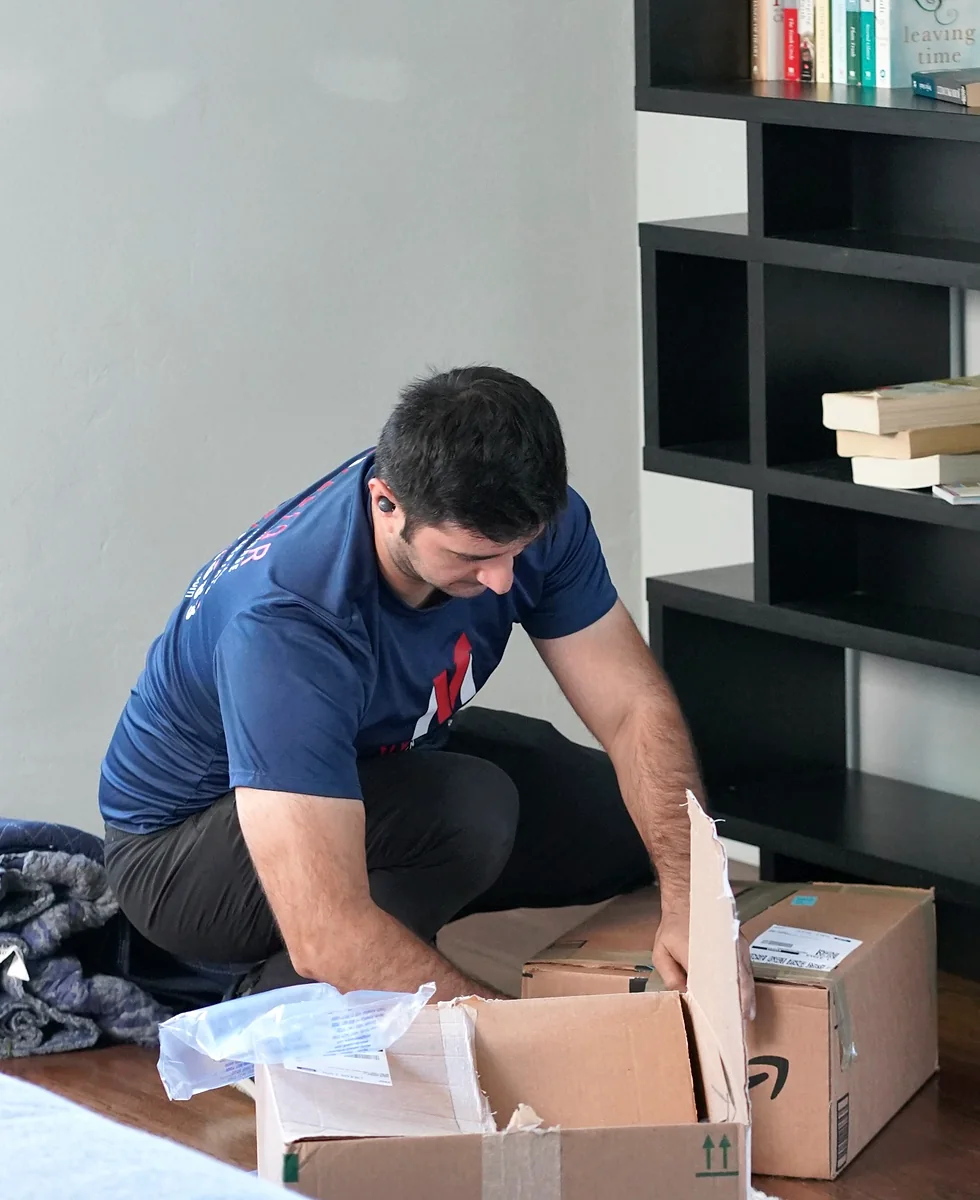
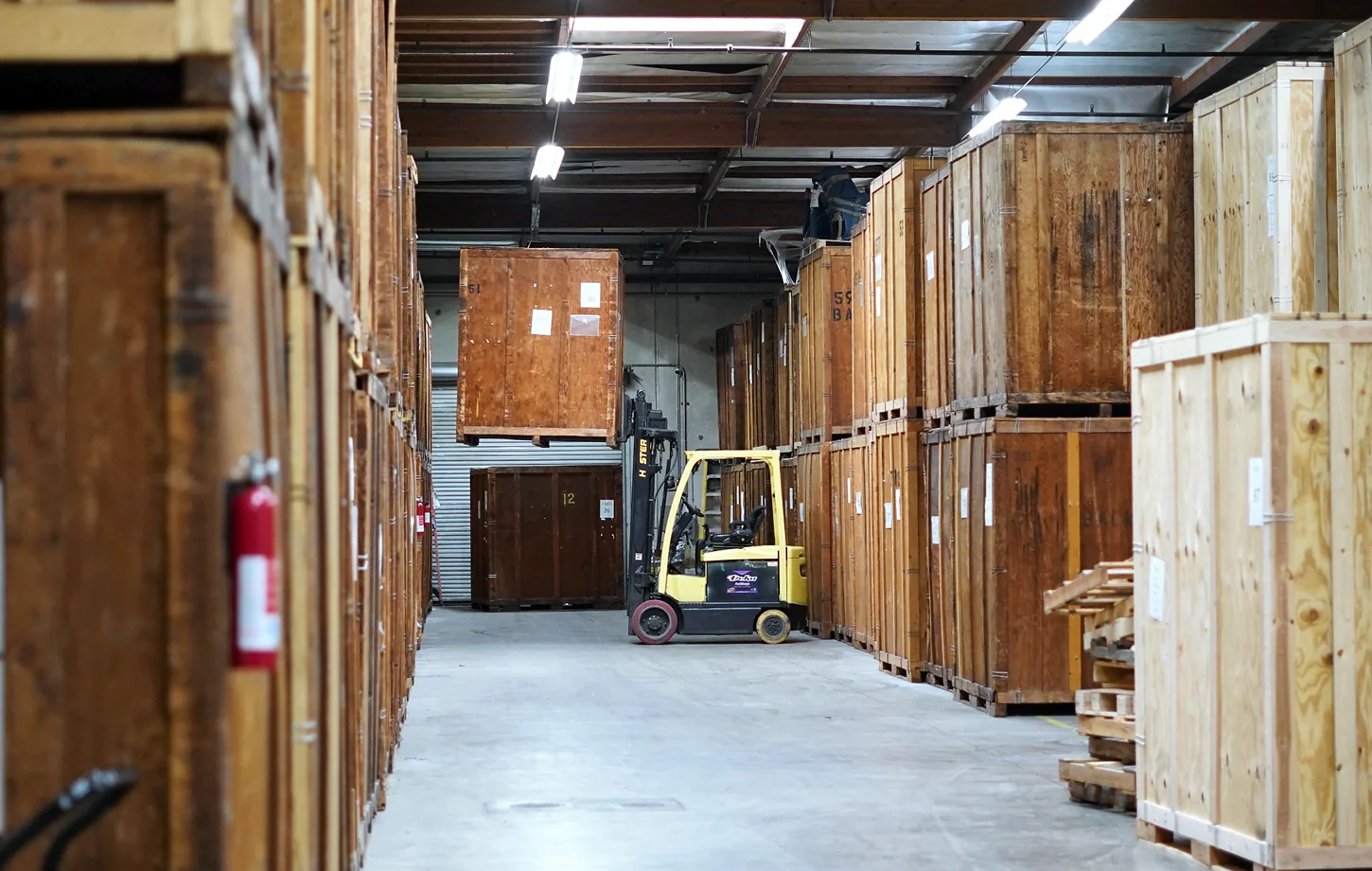
Moving and Storage During a San Diego Relocation
Storage may help when a lease ends before the next residence is ready, a home closing changes, renovations continue, temporary housing is smaller, a job begins before permanent housing is available or only part of the shipment should be delivered first.
A written moving-and-storage plan should identify pickup, inventory, furniture preparation, warehouse handling, storage duration, access limitations, retrieval requests and scheduled final delivery.
Use Current Official Sources for Utilities, Schools, Mail and DMV Requirements
Service providers and deadlines can vary by city and address. Confirm the exact utility, municipality, school district and agency responsible for your new property.
Gas & Electric Service
SDG&E provides an online process to start, stop or transfer service. Confirm the date and exact address before arrival.
SDG&E start, stop or move service →Water & Wastewater
Properties inside the City of San Diego can use the Public Utilities start-service process. Other cities and districts may use different providers.
City water/wastewater start service →Mail Forwarding
Submit the official USPS change-of-address request, then update banks, insurers, employers, schools, subscriptions and government accounts separately.
Official USPS mail forwarding →Driver License & Vehicle
Use California DMV’s current new-resident portal for driver-license, identification and vehicle-registration requirements and deadlines.
California DMV: New to California →School and District Search
Use the San Diego County Office of Education’s current school and district finder, then contact the specific district for enrollment requirements.
San Diego County School Finder →City and Community Information
San Diego County includes many incorporated cities plus unincorporated communities. Use official city and county links for local rules and services.
Official San Diego County city links →Find the Page Closest to Your New Address
The regional guide explains the broader relocation. The individual city and neighborhood pages address the property types, parking, stairs, elevators, gates and moving conditions that may be relevant in each area.
Central & Urban
North Inland & I-15
East County & South Bay
One Moving Plan for Packing, Transportation, Storage and Delivery
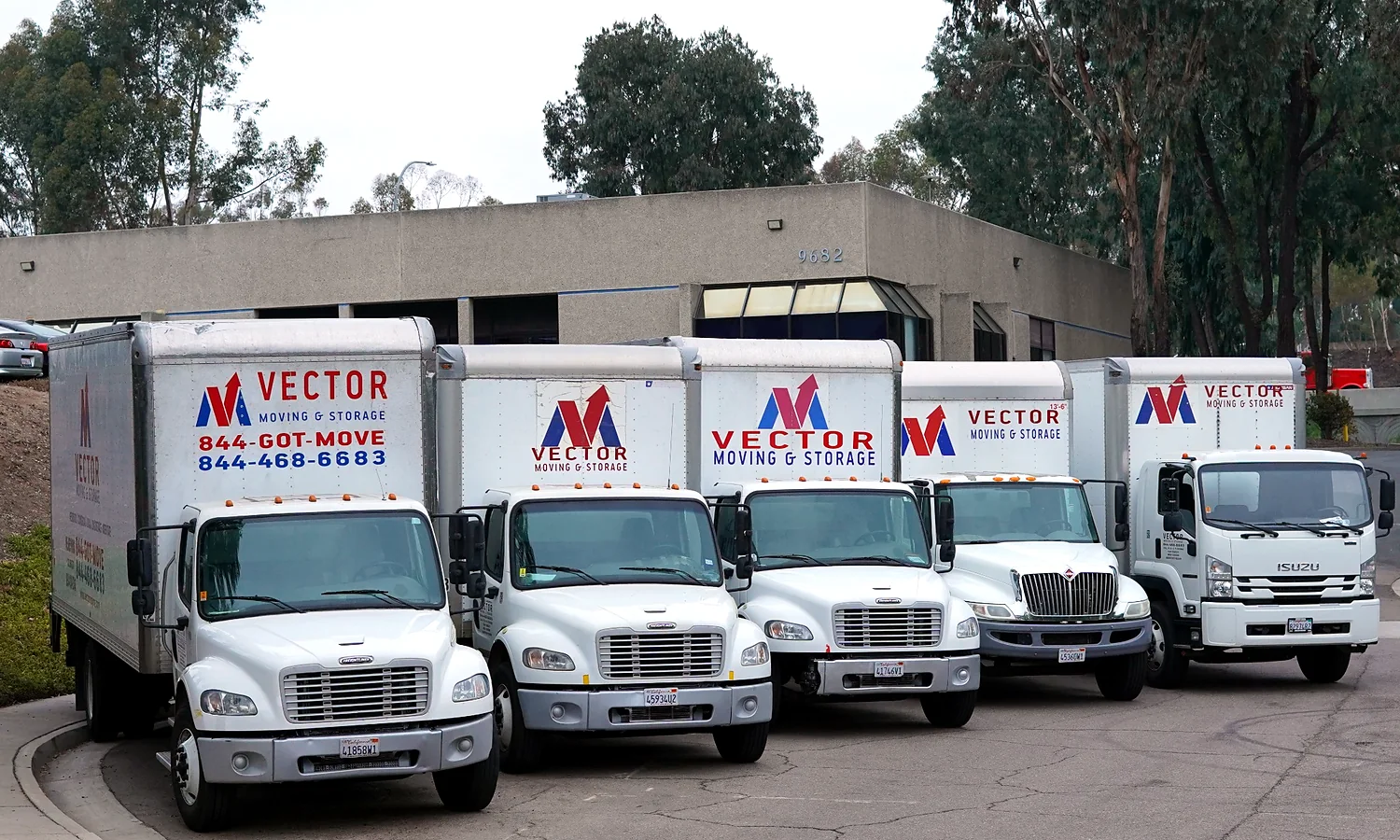
Vector Moving and Storage helps customers coordinate residential moves, apartment and condominium moves, California long-distance moves, qualifying interstate arrangements, professional packing, warehouse storage and commercial relocation.
A useful plan begins with both addresses, the complete inventory and the actual access. Tell the office about stairs, elevators, parking, gates, garages, patios, storage units, heavy items, specialty furniture, additional stops and any building rules.
Frequently Asked Questions
Is San Diego a good place to relocate?
Which part of San Diego should I consider?
How early should I schedule a move to San Diego?
Do San Diego apartments require elevator reservations?
Do I need a parking permit for a moving truck?
How does a coastal move differ from an inland move?
Can storage be used between my two homes?
How much does moving to San Diego cost?
Can movers pack only selected rooms?
What should I transport personally?
How do I set up utilities after moving to San Diego?
Can Vector move an office or business to San Diego?
Where can I find a page for my neighborhood?
Request a Moving Quote Based on the Actual Property
Share the pickup and delivery addresses, moving date, complete inventory, property access, parking, stairs, elevators, gate information, packing, storage, specialty items and additional stops. Complete details help the moving coordinator recommend a more useful crew, truck and service plan.






No comment