

How Many Moving Boxes Do I Need for My Move?
How many moving boxes do I need? The answer depends on the home size, number of residents, amount of belongings, closets, kitchen, home office, garage, storage areas, and packing style. Bedroom count is a useful starting point, but it should not be treated as an exact box total.
Use the calculator and room-by-room guide below to estimate small, medium, large, wardrobe, dish-pack, and picture boxes. The results are planning ranges—not guarantees. Decluttering, household density, years in the home, and the way boxes are packed can change the final quantity.
Estimated Moving Boxes by Home Size
These totals include a typical mix of standard and specialty boxes. Increase the estimate for more residents, a larger kitchen, books, long-term storage, children’s belongings, a garage, or several years of accumulated contents.
Studio
15–25 BoxesUsually one kitchen, bathroom, sleeping area and limited closets. Add more for books, hobbies, storage, or a heavily furnished studio.
1–2 wardrobe1–2 specialty1 Bedroom
25–40 BoxesCommon for one or two residents with an average kitchen, living area, bathroom and closets.
2–3 wardrobe2–4 specialty2 Bedrooms
40–60 BoxesAdjust upward for a family, full closets, a large kitchen, children’s rooms, books, a garage or storage unit.
3–5 wardrobe3–6 specialty3 Bedrooms
65–90 BoxesA family home may also include a home office, garage, patio, pantry, linen closets and children’s belongings.
5–7 wardrobe4–8 specialty4 Bedrooms
90–125 BoxesInventory often expands beyond the bedrooms into several living areas, garage storage, offices and outdoor spaces.
7–10 wardrobe6–12 specialty5+ Bedrooms
120–180+ BoxesLarge or heavily furnished homes should be reviewed room by room. Collections, libraries and multiple storage areas can increase the count substantially.
Custom reviewMoving Box Calculator
Select the details that best describe the household. The result estimates standard boxes and specialty containers separately and includes a suggested reserve.
Your Estimated Box Plan
50–62estimated total containers, including standard and specialty boxes
Estimate Moving Boxes by Room
Room estimates overlap with the home-size totals above. Do not add both charts together. Use the room guide to identify which areas are likely to push your household above the basic range.
Moving Box Sizes and What They Should Hold
The correct mix is more important than buying only one box size. Dense items need smaller containers, while bulky lightweight belongings can use larger cartons.
Books, canned goods, tools, records, small appliances and dense fragile items. Small boxes help keep heavy contents manageable.
Cookware, toys, shoes, folded clothing, décor, office supplies and general household contents. Often the most versatile size.
Bedding, pillows, towels, lampshades and bulky lightweight belongings. Do not fill a large carton with books, tools or dishes.
Hanging clothes move directly from the closet rod into the carton. The quantity depends on closet width and how tightly garments hang.
Reinforced cartons for dishes, glassware and fragile kitchen contents. Proper wrapping, dividers and void fill are still required.
Adjustable cartons for framed art, mirrors and selected flat fragile items. Large or valuable pieces may need custom preparation.
Use the original packaging when available or a properly sized television or electronics kit with suitable internal protection.
Use uniform, stackable cartons for documents and long-term storage. Do not make paper boxes too heavy for safe handling.
Do Not Put Heavy Items in Large Boxes
Books, tools, canned goods, dishes, files and dense kitchen contents should generally be divided among smaller cartons. A large box full of heavy items can become difficult to carry and may fail at the bottom or lose its shape in the truck.

How Many Extra Boxes Should You Keep?
A reserve of approximately 10–15% is a practical starting point for many households. Running out near the end encourages people to overload boxes, leave containers open or mix unrelated rooms.
Start With a Range
Use the home-size estimate, then review the kitchen, closets, books, garage, office, outdoor storage and storage units.
Keep Several Sizes
Extra medium boxes are useful, but also keep small cartons for dense items and a few large boxes for bulky lightweight belongings.
Do Not Forget Supplies
Box quantity alone is not enough. Plan tape, packing paper, markers, labels, mattress protection and suitable specialty materials.
Return or Reuse Extras
Keep unused cartons clean and flat. Confirm the retailer’s return policy before purchasing more than the estimate.
When Reused Boxes Are Acceptable—and When They Are Not
Clean, dry, undamaged cartons may be suitable for lighter and non-fragile household items. Inspect every box for crushed corners, weakened seams, moisture, odors, pests, food residue, missing flaps and previous overloading.
Stronger new or purpose-built boxes are usually the better choice for:
A grocery box may have the right dimensions but still be weakened by moisture, produce, refrigeration or previous handling. Do not use a damaged box simply because it is free.
Prepare Boxes Differently When They Will Be Stored
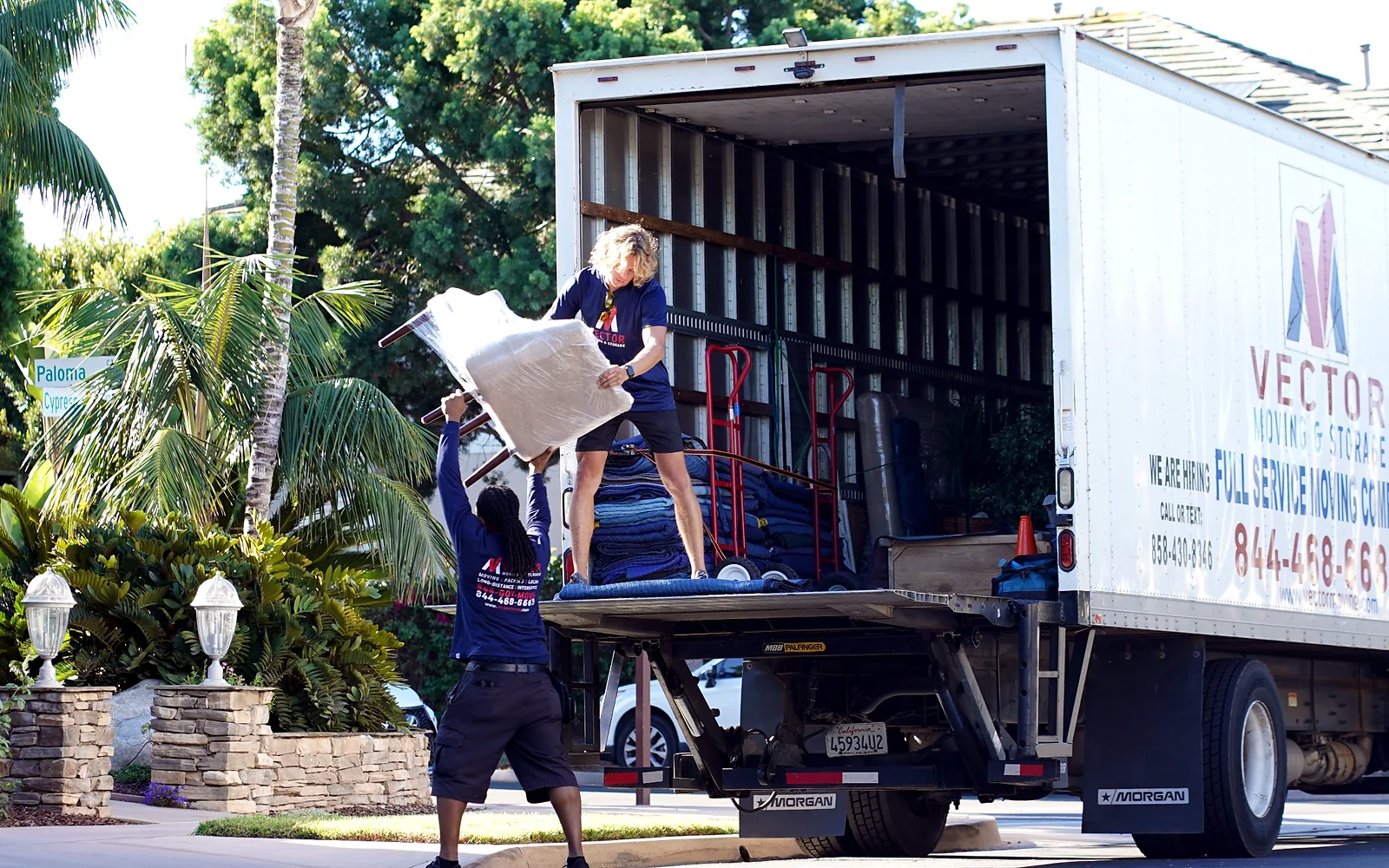
Storage cartons should remain closed, labeled, dry, stackable and easy to identify. Use consistent room labels and add a box number when the shipment will remain in storage for more than a short transition.
Warehouse storage is different from customer-accessed self-storage. Retrieval, handling and final delivery should be coordinated through the office under the written agreement.
Review moving and storage services →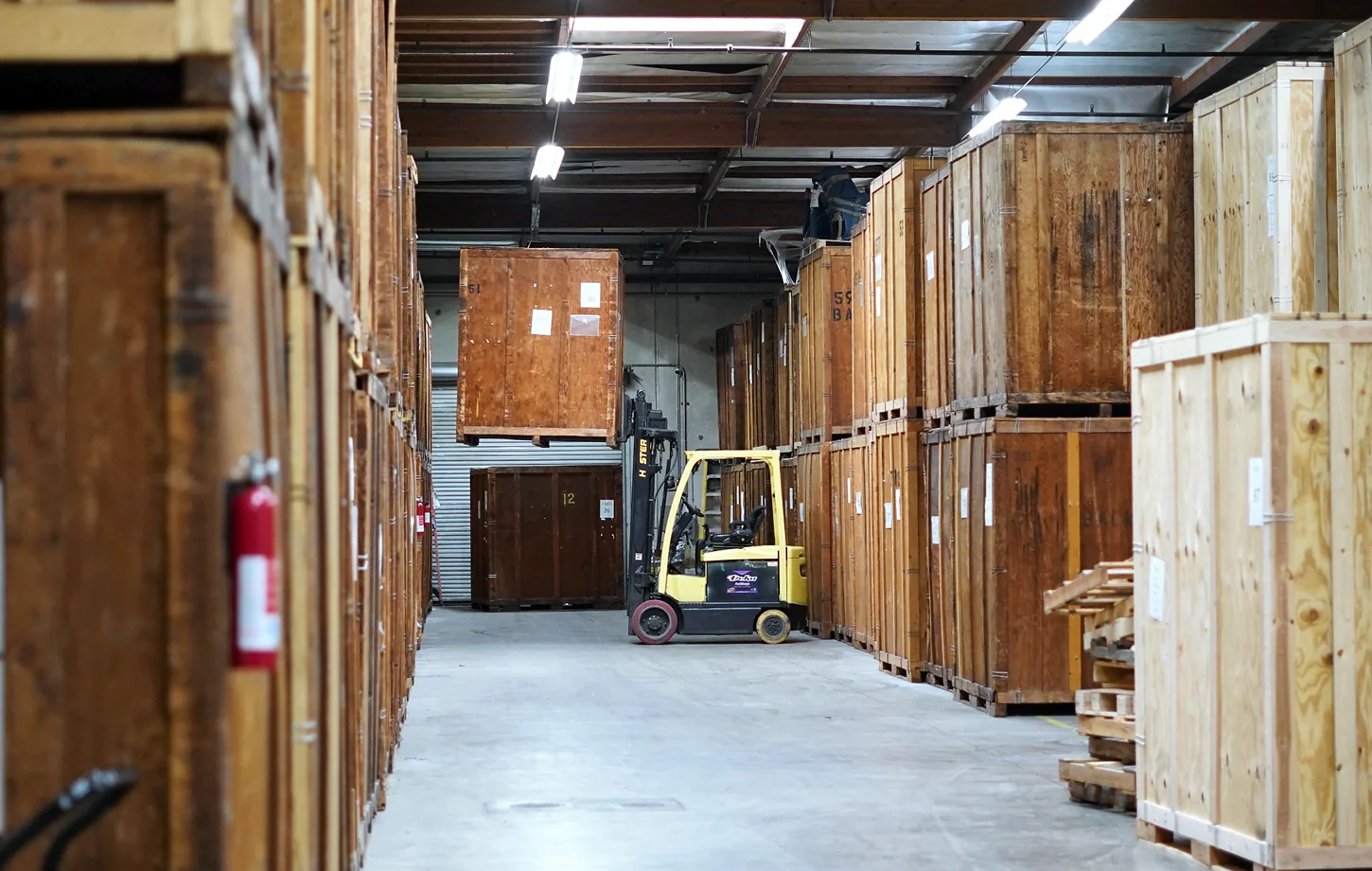
You Do Not Have to Pack the Entire Home Yourself
Vector Moving and Storage can provide full packing or partial packing for selected rooms and belongings. A partial service may focus on the kitchen, fragile items, artwork, closets, books or a home office.
Full Packing
The packing team prepares the agreed household contents, labels boxes and coordinates the work with the moving schedule.
View packing services →Partial Packing
Customers pack most belongings while professional packers handle selected rooms, fragile contents or difficult categories.
Request a packing quote →Moving Crew Planning
The approximate box count is also useful when the office recommends the crew, truck and expected workflow.
How many movers do I need? →Moving Cost Planning
Packing labor, materials, access and total inventory can affect the written moving quote.
San Diego moving cost guide →Frequently Asked Questions
How many boxes do I need for a studio apartment?
How many moving boxes do I need for a one-bedroom apartment?
How many boxes do I need for a two-bedroom apartment?
How many boxes do I need for a three-bedroom house?
How many wardrobe boxes do I need?
Should books go in small or large boxes?
Can I use grocery-store boxes?
How heavy should a moving box be?
How many extra boxes should I buy?
Are moving boxes included with professional packing?
Can movers pack only the kitchen?
How should boxes be labeled for storage?
Need Help Estimating Boxes or Packing Your Home?
Tell Vector Moving and Storage about the property, household size, inventory, closets, kitchen, garage, packing needs, moving date, access and storage. The team can review the project and explain the available packing and moving options.


No comment