How to Declutter Your Home Before Moving
How to declutter before moving is not simply a question of throwing things away. A useful process gives every belonging a clear destination: the new home, traditional self-storage, Vector warehouse storage, donation or sale, recycling or disposal, or personal custody.
Start before buying boxes. Measure the destination, set deadlines for undecided items, remove donations and sales before moving day, and use storage only when there is a defined reason to keep the item. This guide explains the complete process for moves, downsizing, renovations, temporary housing, estate organization, and home-sale preparation.

Declutter Before You Buy Moving Boxes
Every unwanted item affects more than the packing list. It may require a carton, wrapping material, carrying time, truck space, storage space, unloading, room placement, and later unpacking. Decisions made early are easier and less expensive to manage than decisions made while the moving crew is waiting.
Use Six Clear Decluttering Categories
A storage pile should not become a permanent substitute for a decision. Each category needs an owner, removal date, label and next action.
Move to the New Home
Belongings that fit the new property, remain useful, and are worth the cost and effort of moving. Label them by the destination room—not only the room they came from.
Vector Warehouse Storage
Furniture and packed contents that should be professionally picked up, stored in mover-managed vaults, and delivered later under a scheduled plan.
Traditional Self-Storage
Items that need routine customer access and can be transported, loaded, organized, and later removed by the customer or a separately arranged moving service.
Sell or Donate
Usable belongings that no longer fit the space or plan. Set a firm listing or pickup deadline so they do not remain in the moving inventory.
Recycle or Dispose
Broken, expired, unsafe, contaminated, or unusable items. Use the appropriate local program rather than hiding restricted materials in moving boxes.
Keep With the Customer
Medication, identification, keys, cash, jewelry, passports, financial records, security devices, and irreplaceable documents should remain under personal control.
Decluttering Decision Planner
Use the tool for one item or category at a time. It provides a planning direction only; it does not value property, confirm a donation, authorize storage, or determine a vault quantity.
Suggested Direction
Move to the new homeThe item appears useful, replaceable only with difficulty, and compatible with the current destination plan.
How to Declutter Before Moving Room by Room
Finish one cabinet, closet or furniture category before opening several new projects. Remove resolved items from the room so progress remains visible.
Kitchen and Pantry
Review expired food, duplicate cookware, chipped dishes, unused appliances, open liquids, cleaning products and serving pieces that will not fit the new kitchen.
- Create USE BEFORE MOVE, DONATE, DISPOSE and MOVE groups.
- Do not put perishables, leaking liquids or hazardous cleaners into ordinary storage.
- Keep only the appliances whose parts, cords and accessories are complete.
- Use the final-week meal plan to reduce refrigerated and frozen food.
Bedrooms, Closets and Linens
Sort clothing by fit, condition, season, destination, temporary-housing need and realistic future use. Separate everyday clothes before the remaining wardrobe is packed.
- Do not move donation bags unless they have a confirmed destination.
- Use wardrobe boxes only for clothing that is actually moving or entering storage.
- Keep jewelry, medication, identification and valuable small items with you.
- Label bedding for the first night separately from long-term storage linens.
Living Room, Furniture and Décor
Measure sofas, sectionals, tables, cabinets, rugs, lamps and media furniture against the new layout. A usable item may still be a poor fit for the destination.
- Review books, décor, electronics, frames and collections separately.
- Photograph valuable or easily damaged furniture before moving.
- Identify removable legs, shelves, glass and hardware.
- Do not place strong adhesive directly on finished surfaces.
Home Office and Records
Separate current records, confidential documents, old electronics, books, cables and equipment required immediately at the destination.
- Shred documents through an appropriate secure process when retention is no longer required.
- Back up digital records before disconnecting computers.
- Keep identity, legal, financial and irreplaceable records personally.
- Label equipment and cables by the destination workstation.
Garage, Patio, Workshop and Outdoor Storage
Allow extra time for tools, shelving, sports equipment, patio furniture, paint, fuel, propane, pesticides, automotive liquids and partially used products.
- Do not hide hazardous or leaking products in ordinary boxes.
- Clean and dry items before packing or storage.
- Measure workbenches, exercise equipment and shelving.
- Use smaller cartons for dense tools and hardware.
Existing Storage Units, Attics and “Decide Later” Areas
Do not automatically transfer an old storage unit into another storage unit. Open the cartons, identify the contents, confirm condition and decide whether the original reason for keeping them still exists.
- Create a dated undecided category rather than an unlimited one.
- Check for moisture, pests, odors, broken cartons and missing labels.
- Separate family or estate items by owner.
- Remove anything prohibited by the new facility or written agreement.
Measure the Destination Before Keeping Large Furniture
Measure the furniture and the complete route at the destination: doorways, halls, stair width, landings, elevator doors and interior dimensions, garage openings, gates, ceiling clearance and the final room layout.

Set Deadlines for Sales, Donations and Disposal
Use Storage for a Defined Timing or Space Problem
Storage may not be worthwhile when an item is damaged, inexpensive to replace, prohibited, unlikely to be used again, or likely to remain stored indefinitely without a review date.
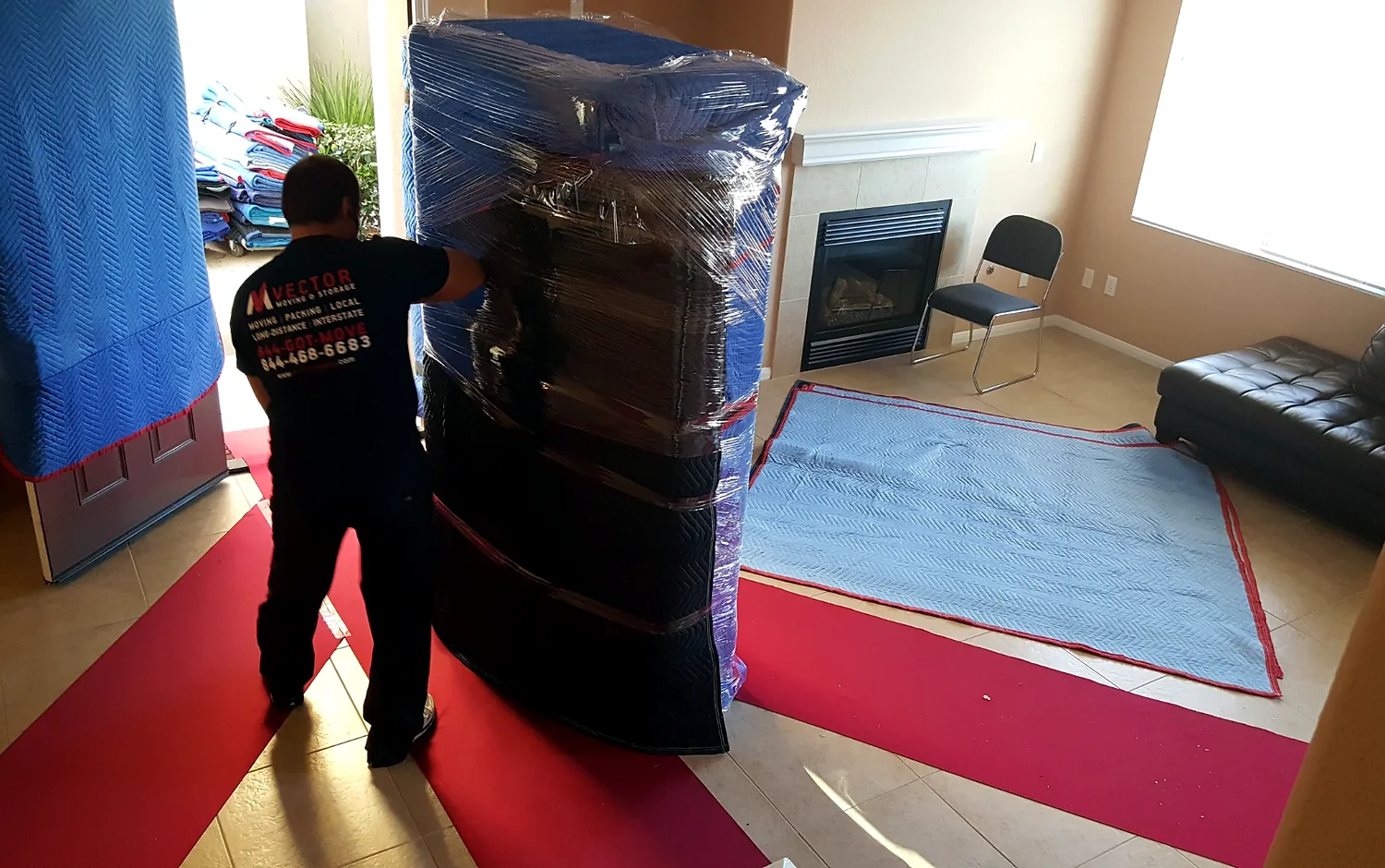
Traditional Self-Storage or Vector Warehouse Storage?
Traditional Self-Storage
The customer rents a specific walk-in unit and usually controls the lock and routine access during facility hours. Transportation, loading, organization and later removal are the customer’s responsibility unless separate moving help is arranged.
- Useful when frequent personal access is important
- Customer chooses the physical unit size
- Facility controls access hours and environmental features
- Aisles may require a larger unit
Vector Mover-Managed Warehouse Storage
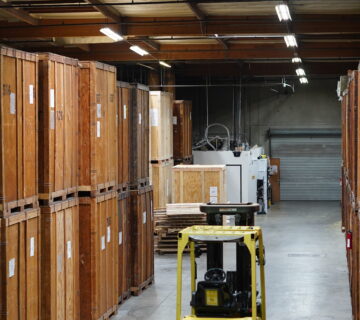
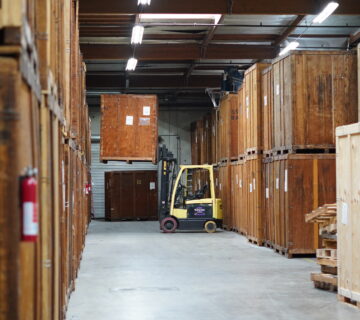
Vector can coordinate pickup, furniture preparation, transportation, loading into wooden moving vaults, warehouse handling and scheduled final delivery under one written move-and-storage plan.
- Useful when the customer wants fewer handling stages
- Storage footprint is reviewed from the inventory
- Access and partial retrieval are scheduled through the office
- Final delivery is arranged when the destination is ready
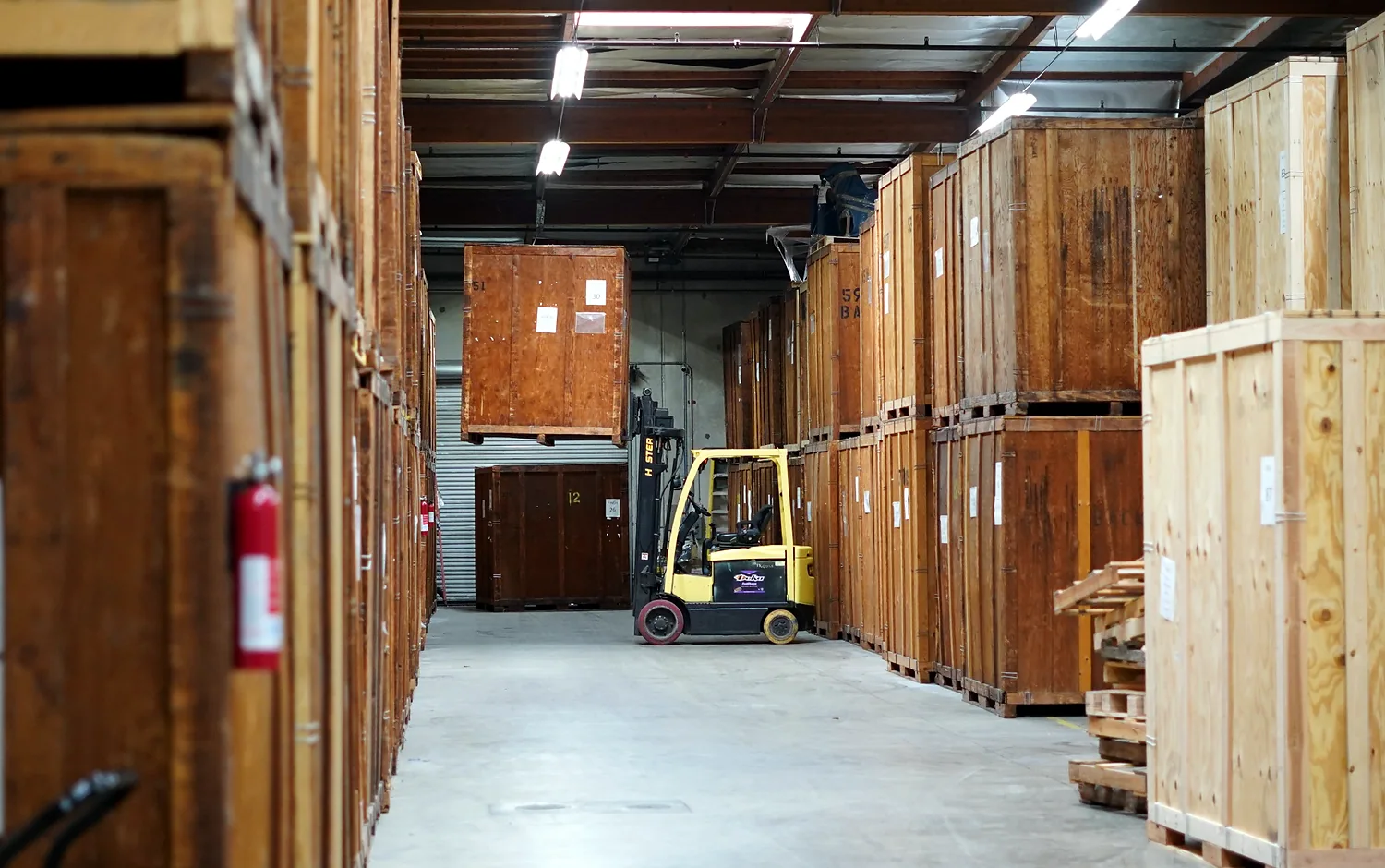
Estimate the Storage Footprint From the Actual Shipment
One Vector Vault: Approximate Dimensions
Each Vector moving vault is approximately 5 feet wide × 7 feet long × 7.5 feet high.
The office should review the furniture, box count, photographs, dimensions, specialty items, access needs and expected delivery plan before estimating the likely number of vaults.
Use the complete storage-unit and moving-vault guide →Make Stored Belongings Understandable Months Later
Every stored box or furniture item should have enough information to support access, staged delivery and final room placement.
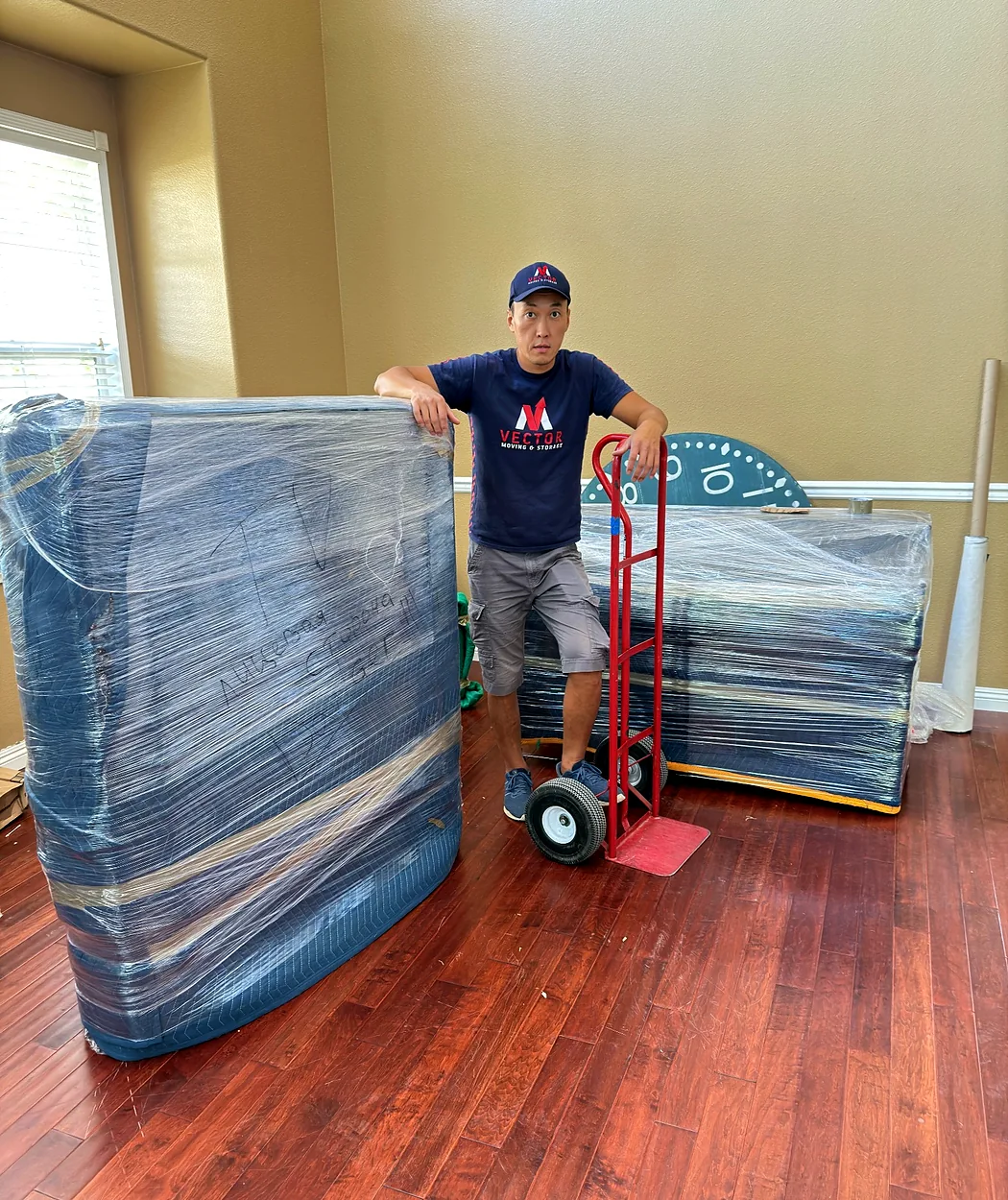
Storage Packing Must Survive More Than Moving Day
Strong, Closed Cartons
Use clean, dry boxes appropriate for the weight. Keep tops flat, fill empty space and avoid cartons that bulge, collapse or remain open.
Labels on More Than One Side
Show the destination room, contents, box number and delivery priority even when cartons are stacked.
Photographs and Customer Inventory
Document important furniture and keep a written list of stored items, especially for staged delivery or partial retrieval.
Separate Immediate Needs
Medication, documents, valuables, temporary-housing supplies and urgently needed work equipment should not enter ordinary storage.
Do Not Put Every Unwanted Item Into Moving Storage
The written moving and storage agreement controls the exact restrictions. As a general planning rule, keep hazardous, perishable, leaking, critical and irreplaceable items out of ordinary household storage unless specifically accepted under lawful written terms.
Hazardous or Flammable Products
Fuel, propane, paint, solvents, pesticides, corrosive cleaners, pool chemicals, fireworks, leaking batteries and unknown products require separate review or disposal.
Food, Plants and Open Liquids
Perishables, pest-attracting food, plants, wet items, open liquids and leaking containers should not be placed into ordinary moving-vault storage.
Medication, Valuables and Records
Keep medication, cash, jewelry, identification, passports, keys, financial records and irreplaceable documents with the customer.
Local Disposal and Recycling
Follow product labels and current local programs. Do not mix leftover chemicals or hide them inside boxes labeled only “garage.”
Create Space Without Losing Track of Ownership
Decluttering before listing a home can reduce excess furniture, open walking routes and make inspections or repairs easier. The goal is not to remove all signs of life or guarantee a sale; it is to create an organized property and a documented plan for everything that leaves.
For family or estate property, use labels such as CUSTOMER, FAMILY MEMBER, DONATION, SALE, STORAGE and UNDECIDED UNTIL [DATE]. A dated category prevents “decide later” from becoming unlimited storage.

Interactive Checklist Before the Moving Quote Is Finalized
Check each item as it is completed. The progress is stored only in the current browser session and is not submitted to Vector Moving and Storage.
Update the Inventory Before Pickup
Tell the moving office which furniture was sold, donated, discarded, added, placed into storage or assigned to another destination. The final inventory affects box count, crew recommendation, truck planning, packing, access, loading order and the written quote.

Frequently Asked Questions
How early should I start decluttering before moving?
What should I get rid of before moving?
Which room should I declutter first?
Should I use a four-month or one-year rule?
Should I declutter before buying moving boxes?
How do I decide whether to store an item or replace it later?
When should I list furniture for sale?
How should I arrange donations?
What is the difference between self-storage and Vector warehouse storage?
How large is one Vector moving vault?
Can I access belongings in Vector moving-vault storage?
How should storage boxes be labeled?
What should not go into ordinary moving storage?
How do I declutter when downsizing?
Can Vector move only the items going into storage?
Does decluttering guarantee a cheaper move?
Request a Quote Based on the Final Inventory
Share both addresses, moving date, furniture, approximate boxes, packing, stairs, elevators, parking, storage duration, access needs, additional stops and specialty items. Vector Moving and Storage can review local moving, packing, moving-vault storage and scheduled final delivery as one written plan.