

Moving to La Jolla: Neighborhood, Access & Relocation Guide
Moving to La Jolla involves more than selecting a moving date. Coastal streets, hills, gated driveways, condominium rules, visitor traffic and limited loading space can all change the plan. This practical guide explains what to review before movers arrive.

Why a La Jolla Move Needs Address-Specific Planning
La Jolla is part of the City of San Diego, but it is not one uniform moving environment. A condominium near the Village may require an elevator reservation and an approved loading period. A house near the coast may have a narrow driveway, limited curb space or a long exterior path. Hillside properties can add stairs, slopes and sharp turns between the truck and front door.
The City describes La Jolla as a coastal community centered around the Village, La Jolla Shores and Bird Rock commercial districts. The broader area also includes residential pockets commonly identified as Windansea, the Muirlands, La Jolla Farms and other neighborhood names. Review the City’s La Jolla community information for official context.
For service details, visit Vector’s La Jolla movers page. This article remains the informational planning guide.

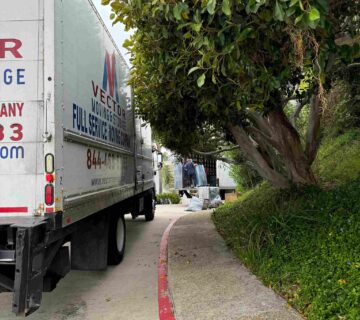
Driveway width, turning room and walking distance can change the crew and truck plan.
Common La Jolla Areas and Moving Considerations
Neighborhood names do not replace an on-site access review, but they help identify the questions to ask before moving day.
La Jolla Village
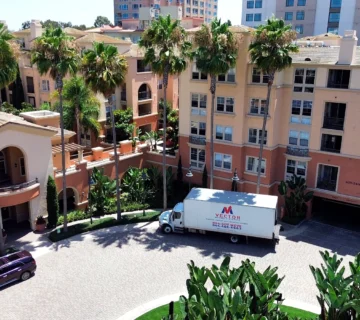
Condos, apartments, storefronts, mixed-use buildings and pedestrian activity make curb access and building coordination especially important. Ask about loading locations, elevators, move hours and where the truck may wait.
La Jolla Shores
Visitor traffic and beach activity can affect streets near the commercial district and shoreline. Confirm access early and avoid assuming that open curb space will remain available.
Bird Rock
Residential streets sit close to an active neighborhood business district. Review alleys, garages, driveways and any limited route between the truck and entrance.
Windansea
Coastal cottages, apartments and irregular lot layouts can create tight approaches. Photograph stairs, gates, exterior paths and narrow turns for the estimate.
Muirlands & Hillside Homes
Sloped streets, elevated entries and multi-level houses may add long carries and stairs. Truck position and safe walking routes should be evaluated before scheduling.
La Jolla Farms & North La Jolla
Larger properties can still have controlled gates, private roads, long driveways or limited turnaround areas. Confirm gate dimensions and whether property staff must authorize entry.
Match the Moving Plan to the Building
Detached Homes
Review driveway slope, overhead clearance, gates, stairs, landscaping, interior floor surfaces and the distance from legal truck parking to the door.
Condos and Apartments
Request the building’s written move rules. Confirm elevator reservations, approved hours, loading entrances, certificate-of-insurance requirements and protection standards.
Townhomes and Multi-Level Properties
Identify which furniture belongs on each level and measure tight stair turns. Some pieces may need disassembly before they enter the building.

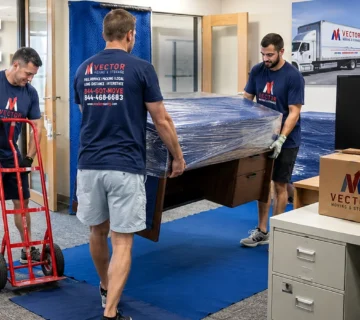
A protected route helps reduce contact with floors, doorways, stairs and walls.
Inspect the Route From the Truck to Each Room
A useful walkthrough begins where the truck can lawfully stop—not at the front door. Follow the exact path through gates, ramps, walkways, elevators, stairs and hallways. Look for surfaces or fixtures that need protection and for furniture that cannot make the turns while assembled.
- Truck parking and driveway slope
- Gate width and access codes
- Walking distance to the entrance
- Exterior and interior stairs
- Door and hallway measurements
- Elevator dimensions and reservation
- Low ceilings and sharp turns
- Floor, wall and doorway protection
Do not plan balcony hoisting, structural alterations or removal of building components as an ordinary moving service. Any unusual access method must be reviewed and approved in advance by the property owner, building management and qualified service providers where required.
Do Not Assume the Curb Can Be Reserved
Street parking, loading zones, posted restrictions and property rules vary by address. Contact the building or HOA first, then confirm any public-street question with the appropriate City department. A building manager can approve use of private loading areas, but cannot authorize a moving truck to ignore public parking or traffic regulations.
The City provides current information about parking enforcement, parking permit programs and traffic-control requirements. These resources cover different situations; they do not mean every household move needs—or qualifies for—the same permit.
Ask the Property
Where should the truck load? Is there a gate, dock or service entrance? What hours and protection rules apply?
Check the Street
Review signs, meters, loading restrictions, street width and nearby construction. Never cover or move official signs.
Share the Information
Send the mover photographs, approved loading instructions and the property contact before the estimate is finalized.
Choose Full, Partial or Self-Packing Early
La Jolla homes often combine everyday household goods with artwork, glass, electronics, wine collections, patio items or custom furniture. The estimate should identify which items the customer will pack and which categories require professional help.
Self-packing works best when cartons are closed, labeled and safely weighted before the crew arrives. Partial packing can focus on kitchens, artwork, fragile décor or selected rooms. Full packing requires enough time and should be scheduled as a defined service rather than added casually on moving day.
Use room labels that match the destination. Keep keys, identification, medication, valuables, financial records and immediate essentials with you. Ask the mover for its prohibited-items list before packing liquids, chemicals, fuel, aerosols, food, plants or batteries.
Vector’s San Diego packing services page explains available packing options.

Confirm packing responsibilities before the crew arrives.

Furniture preparation should reflect the item, access route and destination.
Prepare Furniture and Property for the Real Route
Protection should be based on the item and the path it must travel. Furniture blankets and stretch wrap help prepare many pieces for handling. Mattress or sofa covers may be appropriate for upholstered items. Floors, doorway edges, railings and walls may also require protection where the route is narrow or heavily traveled.
Disassembly can make certain beds, tables, sectionals and cabinets safer to move through tight entrances. Confirm what the crew can disassemble and reassemble, and remove or secure personal contents beforehand. Specialty items—including pianos, safes, large stone pieces and delicate artwork—should be disclosed with photographs, dimensions and approximate weight.
A Practical La Jolla Moving Schedule
Use this sequence as a planning framework. Building rules, service availability, packing and property access may require additional time.
Plan Storage Before Pickup When Possible
Storage may help when a closing date changes, renovations continue, temporary housing is smaller or the destination cannot receive everything at once. Tell the mover about the gap while requesting the estimate so inventory, transportation and final delivery can be planned together.
Ask where the shipment will be held, how it will be inventoried, what access or partial-retrieval procedures apply, which charges continue during storage and how final delivery will be scheduled. Do not assume walk-in access, unlimited retrieval or climate-controlled conditions unless those services are confirmed in writing.
Review Vector’s San Diego moving and storage services or the separate storage-in-transit service for an active move.

Storage should be coordinated with the shipment inventory and final-delivery plan.
Common Mistakes When Moving to La Jolla
Assuming the Truck Fits
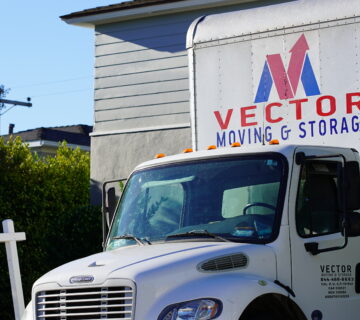
A passenger car’s access does not confirm that a moving truck has the same clearance or turning room.
Waiting on Building Rules
Elevator appointments and approved move periods may be limited. Request requirements before selecting the final date.
Leaving Access Off the Quote
Stairs, long carries, gates and parking affect labor. Share them before booking instead of on moving day.
Using Unverified Price Ranges
Online averages cannot price a specific home, inventory or access route. Request a written estimate based on actual details.
Overpacking Cartons
Very heavy or open boxes slow handling and may fail. Use smaller cartons for dense items and close every box securely.
Forgetting the Destination
Review the unloading property as carefully as the La Jolla address, especially for long-distance or storage moves.
What to Send Before Requesting a Quote
A more useful quote begins with details that describe the real job:
- Exact pickup and delivery addresses
- Preferred date and flexibility
- Room-by-room inventory
- Photos of unusual or fragile items
- Truck parking and walking distance
- Stairs, gates and elevators
- Building rules and move hours
- Packing or unpacking needs
- Storage or additional stops
- Destination contact information
Moving to La Jolla FAQs
How early should I schedule a move to or from La Jolla?
Does every La Jolla move require a parking permit?
What should I ask my condo or apartment manager?
How can I prepare for a steep driveway or long carry?
Should oversized furniture be measured before moving day?
Can Vector help with packing for a La Jolla move?
Can storage be included with the move?
What information helps produce a useful moving estimate?
Ready to Discuss Your La Jolla Move?
Share the property access, inventory, packing, schedule, destination and any storage needs with Vector Moving and Storage. The team can review the information and determine which services are appropriate for the move.
Vector Moving and Storage
Phone: 844-468-6683
Available services: Local and qualifying long-distance moving, packing, furniture preparation, commercial moving, moving and storage, and delivery.
Published credentials: CAL-T 191802 · CA 530531 · MC 105580 · DOT 3152229



No comment