
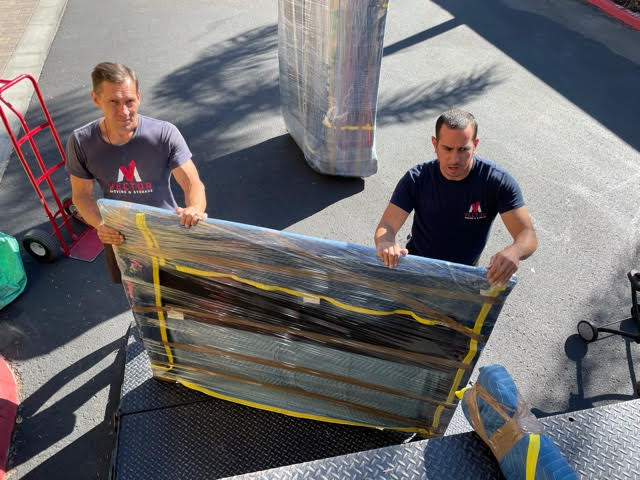
How to Prepare Furniture for Movers in San Diego
Knowing how to prepare furniture for movers begins with the actual pieces, their condition, the route through both properties, and the service written into the moving agreement. A sofa that fits through a front door may still fail at a stair landing, elevator entrance, hallway turn, gate, or bedroom doorway.
This guide explains furniture-only moves, inventory and photographs, measurements, disassembly, hardware labels, surface protection, apartments and stairs, parking, moving-vault storage, cost factors, delivery placement, and the questions to resolve before the crew arrives.

What Is a Furniture-Only Move?
A furniture-only move can involve one selected item, a room set, furniture from part of a home, or belongings divided among several destinations. It does not need to include every box and household item.
One or Several Pieces
A sofa, sectional, dining set, bedroom set, desk, bookcase, television stand, patio set, or another approved household item.
Part of a Residence
Selected furniture from a guest room, home office, garage, apartment, downsizing project, estate transition, or staged household move.
Pickup From Another Location
Furniture purchased or sold privately, items from a retailer or family member, or approved pickup and delivery between separate addresses.
Furniture Going Into Storage
Pickup, preparation, transportation, moving-vault storage, scheduled access, and later delivery when arranged in writing.
Furniture Moving Preparation Planner
Use the planner to identify the level of review your furniture may need. It does not guarantee that an item fits, determine a binding price, or replace photographs and measurements.
Suggested Review Level
Detailed furniture preparation reviewProvide photographs, measurements and access information so the office can review the item and route.
Document Each Piece Before It Is Moved
A practical inventory helps the office review the move and gives the customer a record of condition, removable parts, destination and special concerns. Photograph important pieces before wrapping or disassembly.
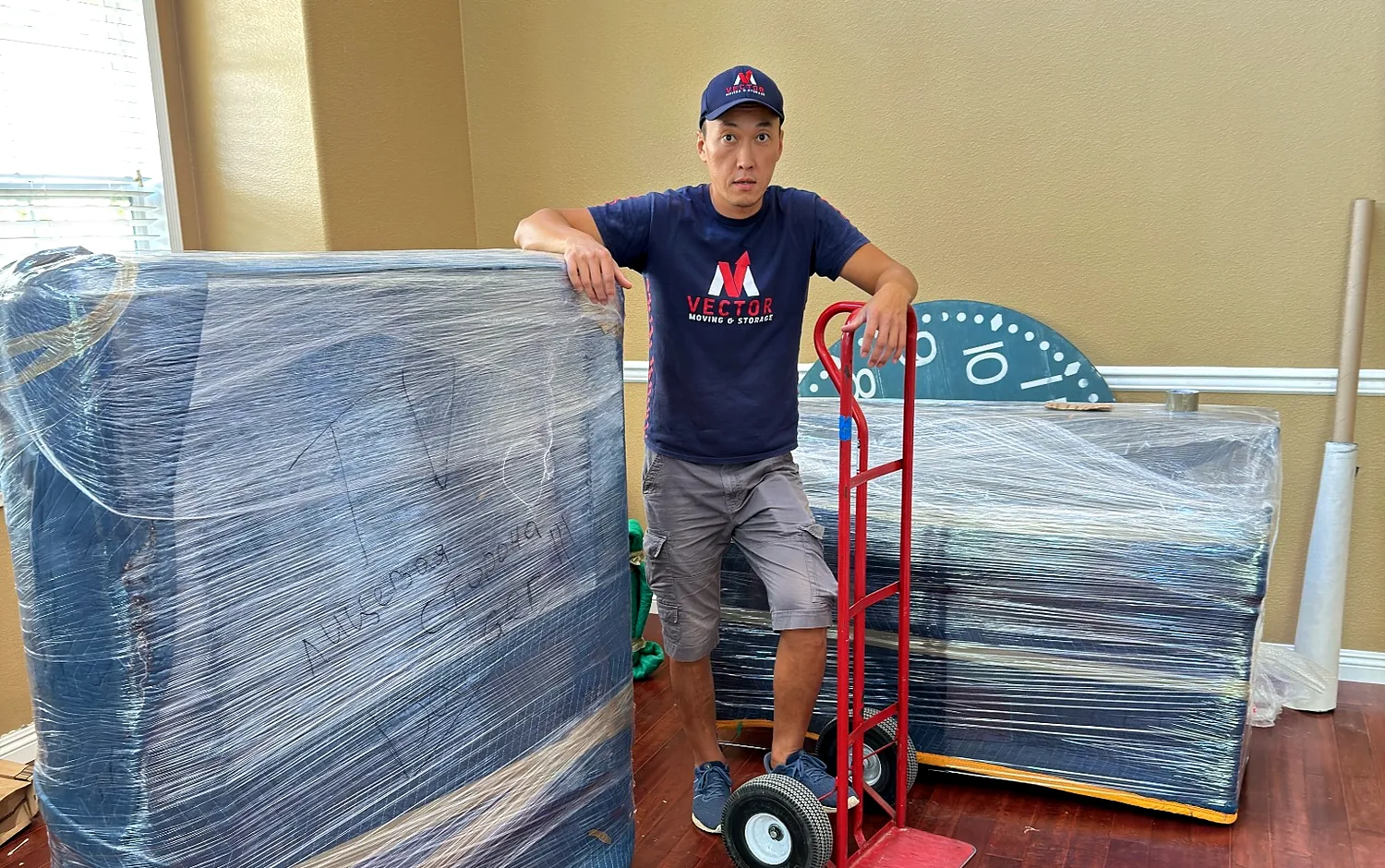
A Front Door Measurement Is Not Enough
Measure the piece in the configuration that will actually move, then review the narrowest point and most difficult turn between the room and the lawful truck position at both addresses.
| What to Measure | Useful Measurements | Why It Matters |
|---|---|---|
| Sofa or sectional | Overall width, height, depth, arm height, removable feet, back or modular sections | A sofa may pass a doorway only after approved components are removed or the orientation changes. |
| Bed and headboard | Mattress size, frame dimensions, headboard width and height, adjustable-base weight and construction | Standard frames and mechanical or adjustable beds require different preparation. |
| Tables and cabinets | Top, base, legs, glass or stone inserts, shelf depth and removable components | Heavy tops, fragile inserts and projecting trim affect disassembly and carrying position. |
| Doors and hallways | Clear opening width and height, handles, trim, turns and obstructions | The usable opening can be smaller than the nominal door size. |
| Stairs and landings | Narrowest width, landing depth, ceiling height, railings, curved or sharp turns | An item may fit through the door but fail at a landing or low ceiling. |
| Elevators and loading areas | Door opening, interior dimensions, weight limits, reservation time, dock and hallway route | Building rules and elevator dimensions affect the schedule and eligible item size. |
| Truck approach | Closest lawful position, gate width, driveway grade, overhead clearance and walking distance | Parking and carrying distance affect time, crew movement and equipment. |
Decide What Can Be Taken Apart Before Moving Day
Standard disassembly may help with bed frames, removable table legs, some modular sectionals, desks, shelving and furniture with removable feet or backs. The service depends on the item, construction, condition, access and written agreement.
Empty or Secure Drawers, Cabinets and Compartments
Follow the mover’s instructions for each piece. The construction, condition, weight, stairs and service plan determine whether drawers or compartments can remain loaded.
Remove Valuables and Critical Items
Keep cash, jewelry, medication, keys, identity documents, electronics, irreplaceable records and other valuable small items with you.
Remove Loose or Heavy Contents
Books, files, dishes, tools, liquids and loose items can shift, increase weight or damage the furniture from inside.
Remove Fragile Inserts
Glass shelves, mirrors, loose panels and removable stone or fragile components usually need separate protection and review.
Secure Doors and Moving Parts
Identify doors, drawers, sleeper mechanisms, reclining parts and removable cushions so they can be prepared appropriately.
Choose Protection for the Material, Shape and Route
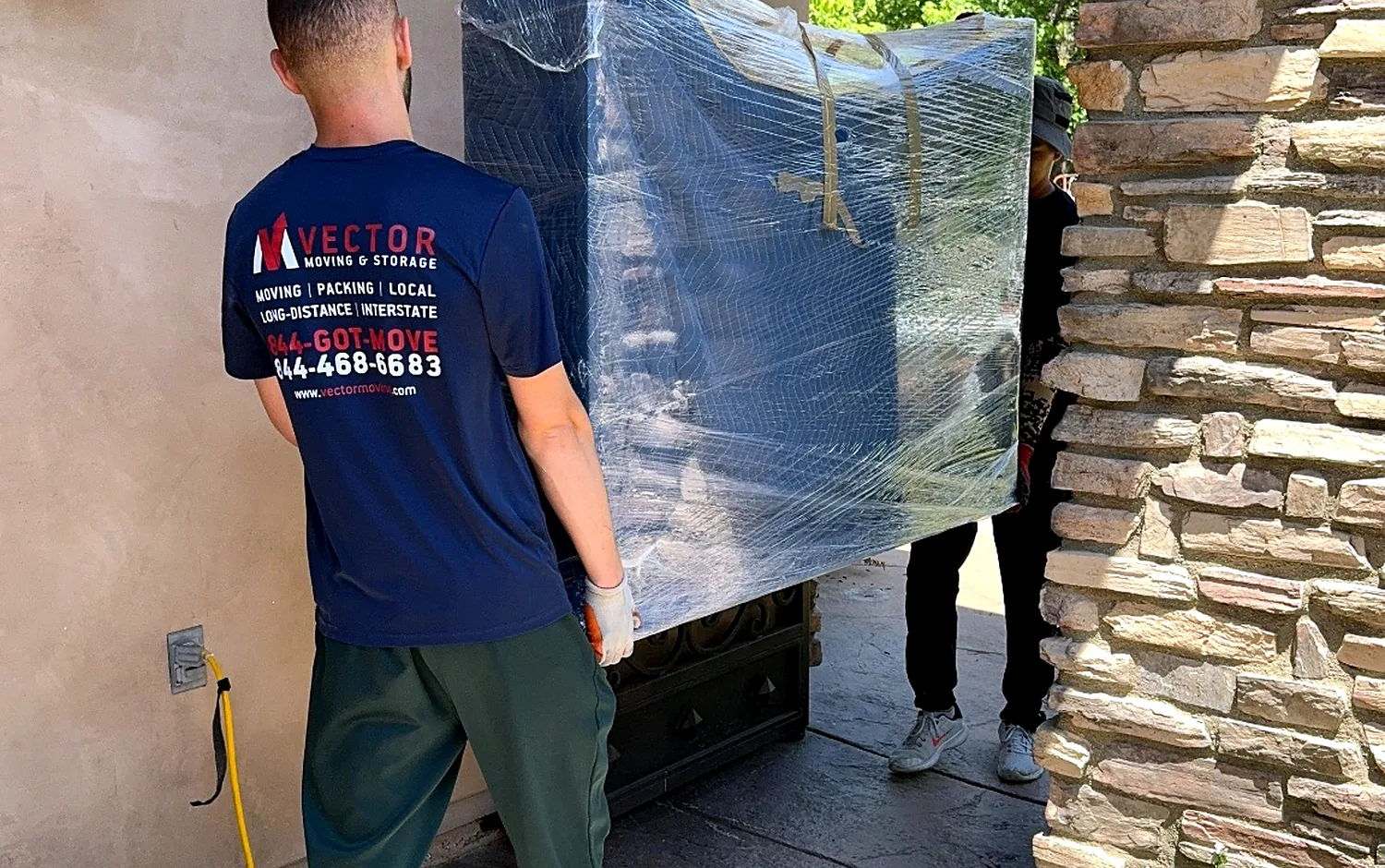
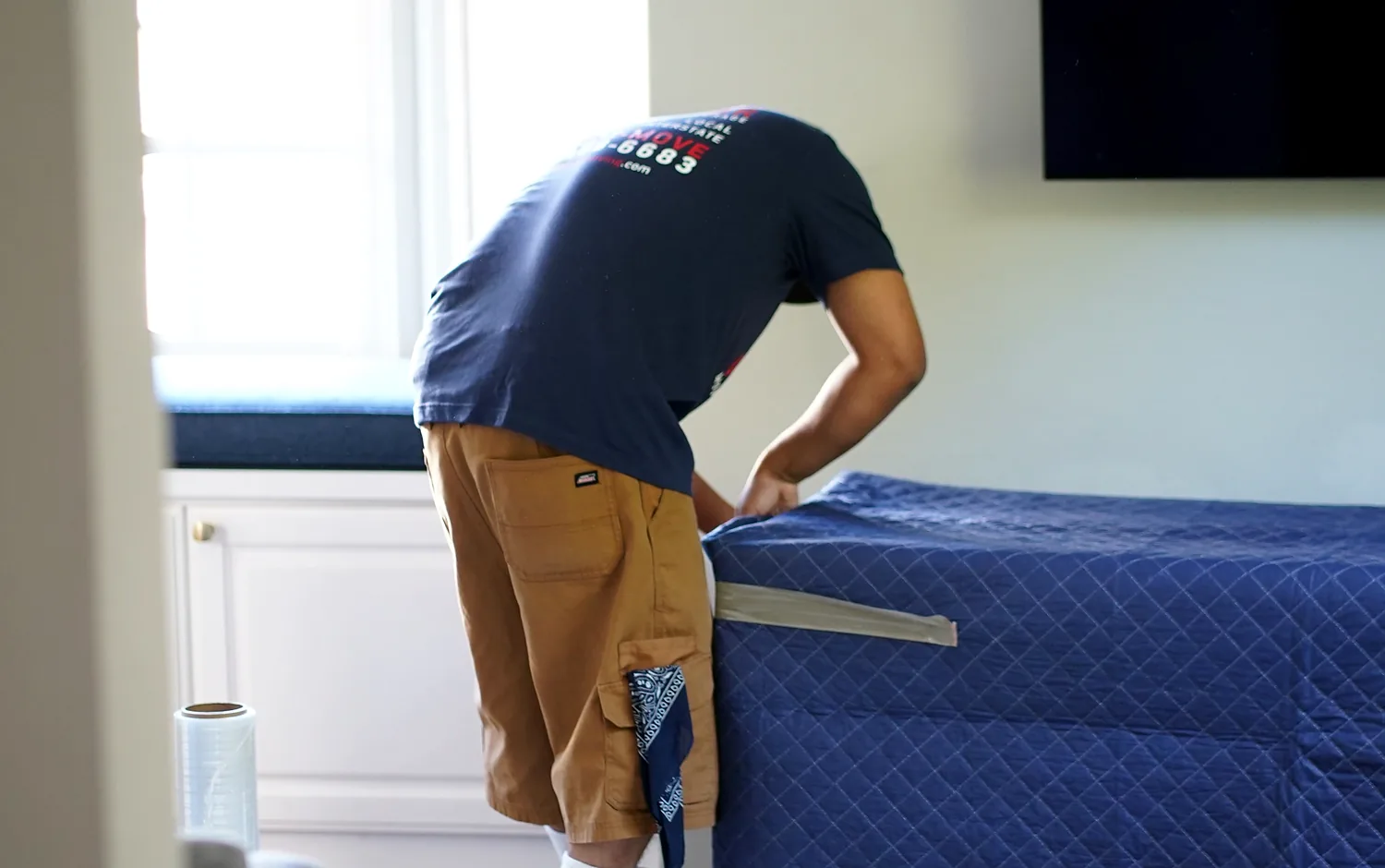
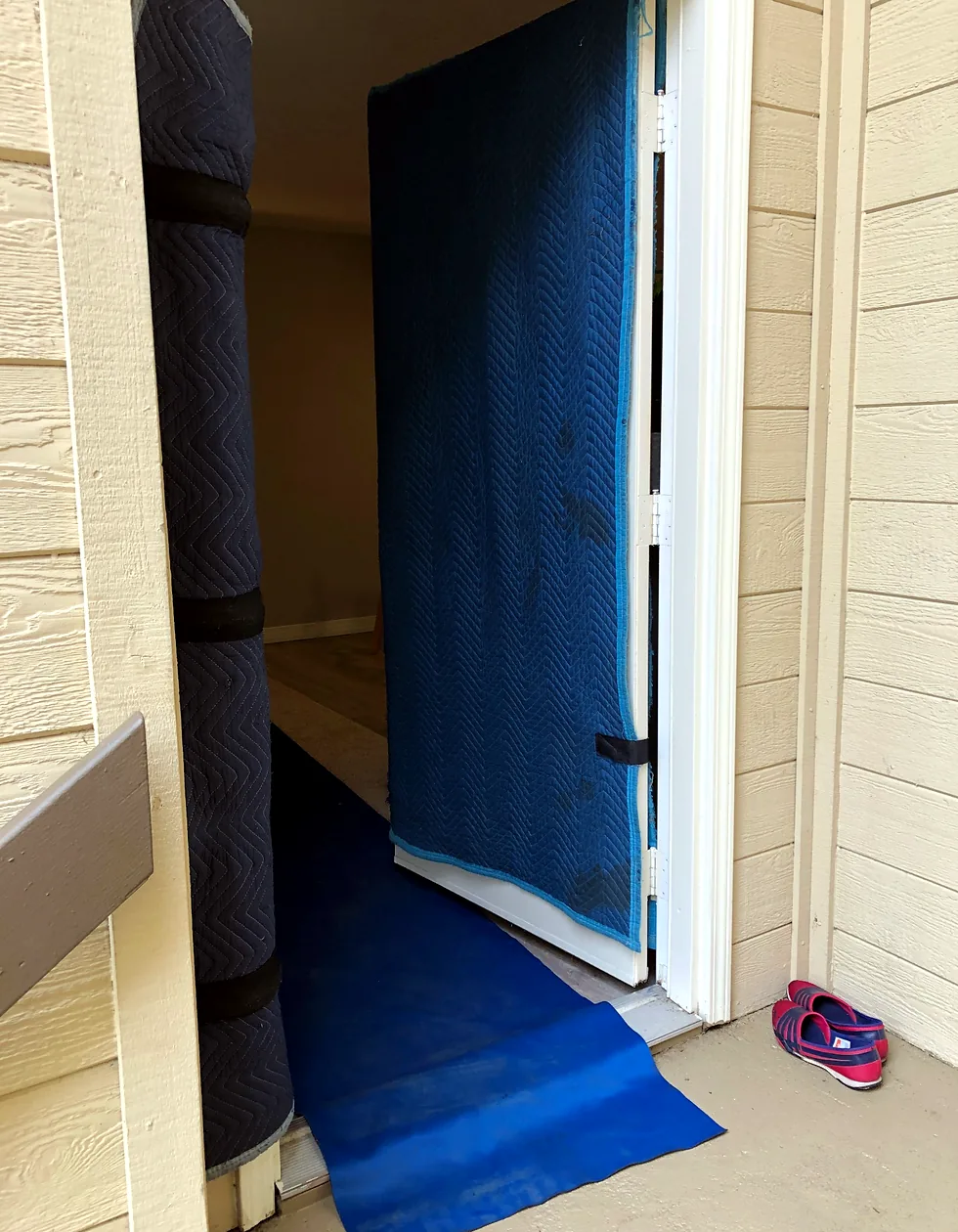
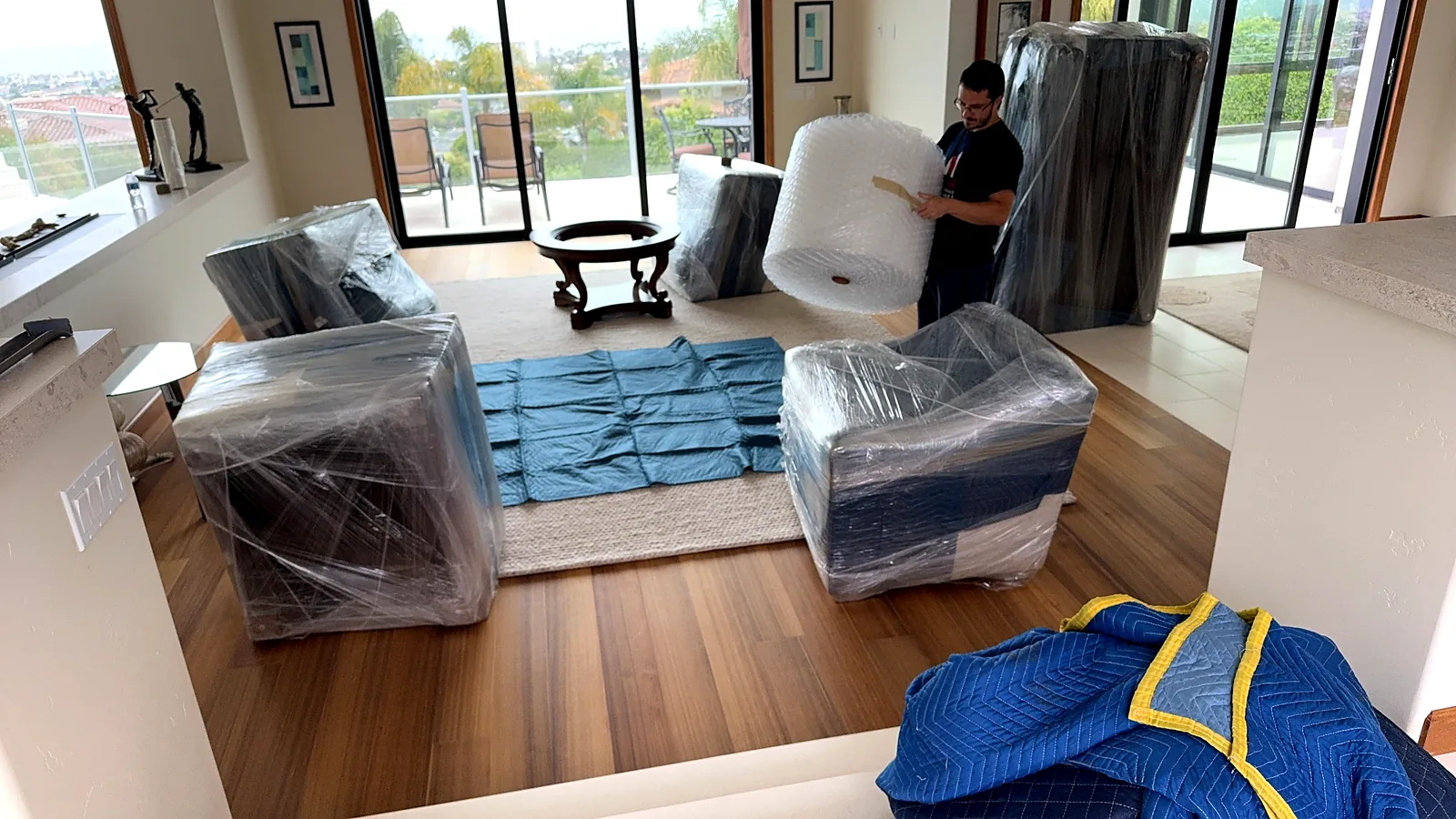
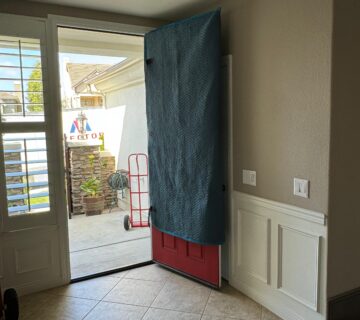
Depending on the written scope, the crew may use moving blankets, stretch wrap, mattress or sofa protection, corner protection, straps, dollies, floor runners, doorway pads or railing protection. The appropriate method differs by item.
Protection reduces exposure to contact and movement; it does not create a guarantee that every item can be moved or that damage is impossible. Existing condition and structural stability still matter.
Upholstery, Wood, Glass and Mechanisms Need Different Handling
Upholstered Furniture
Check legs and frames, identify sleeper or reclining mechanisms, remove cushions when appropriate, keep fabric dry, and avoid direct tape contact.
Mattresses and Bedding
Confirm mattress protection, adjustable-base preparation, removable components, stair and elevator fit, and where bedding will be needed at delivery.
Wood and Finished Surfaces
Photograph veneer, trim and existing scratches; remove loose shelves; protect projecting parts; and keep hardware and adhesive away from finished faces.
Glass and Mirrors
Review size, thickness, backing, frame, removable inserts, carrying orientation and whether a picture carton, rigid protection or specialty provider is needed.
Mechanical Furniture
Recliners, adjustable beds, powered desks and specialty seating may need manufacturer instructions, power disconnection, part labeling or qualified service.
Antiques and Prior Repairs
Document loose joints, veneer, gilding, cracks, prior repairs and unstable areas. Ordinary blanket wrapping may not be enough for a fragile or historically significant piece.
Request Advance Review for Glass, Stone, Safes and Complex Pieces
Tell the office about unusually heavy, valuable, fragile, unstable, oversized or mechanical items before the move. Provide dimensions, photographs, approximate weight when known, current location, destination route and manufacturer information.
Building Rules and Access Can Be More Important Than the Distance
Elevator and Loading Reservations
Confirm approved hours, freight elevator, service entrance, loading dock, certificate of insurance, deposits and hallway route.
Stair Width and Landings
Provide flights, narrowest width, landing depth, low ceilings, turns, railings and whether the stairs are interior or exterior.
Parking and Long Carries
Identify the closest lawful and approved truck position, gate, garage clearance, posted restrictions and walking distance to the unit.
Common-Area Protection
Follow the building’s requirements for floors, doors, elevators, walls, railings, loading areas and neighbor access.

Keep the Route Clear and Let the Crew Control the Carry
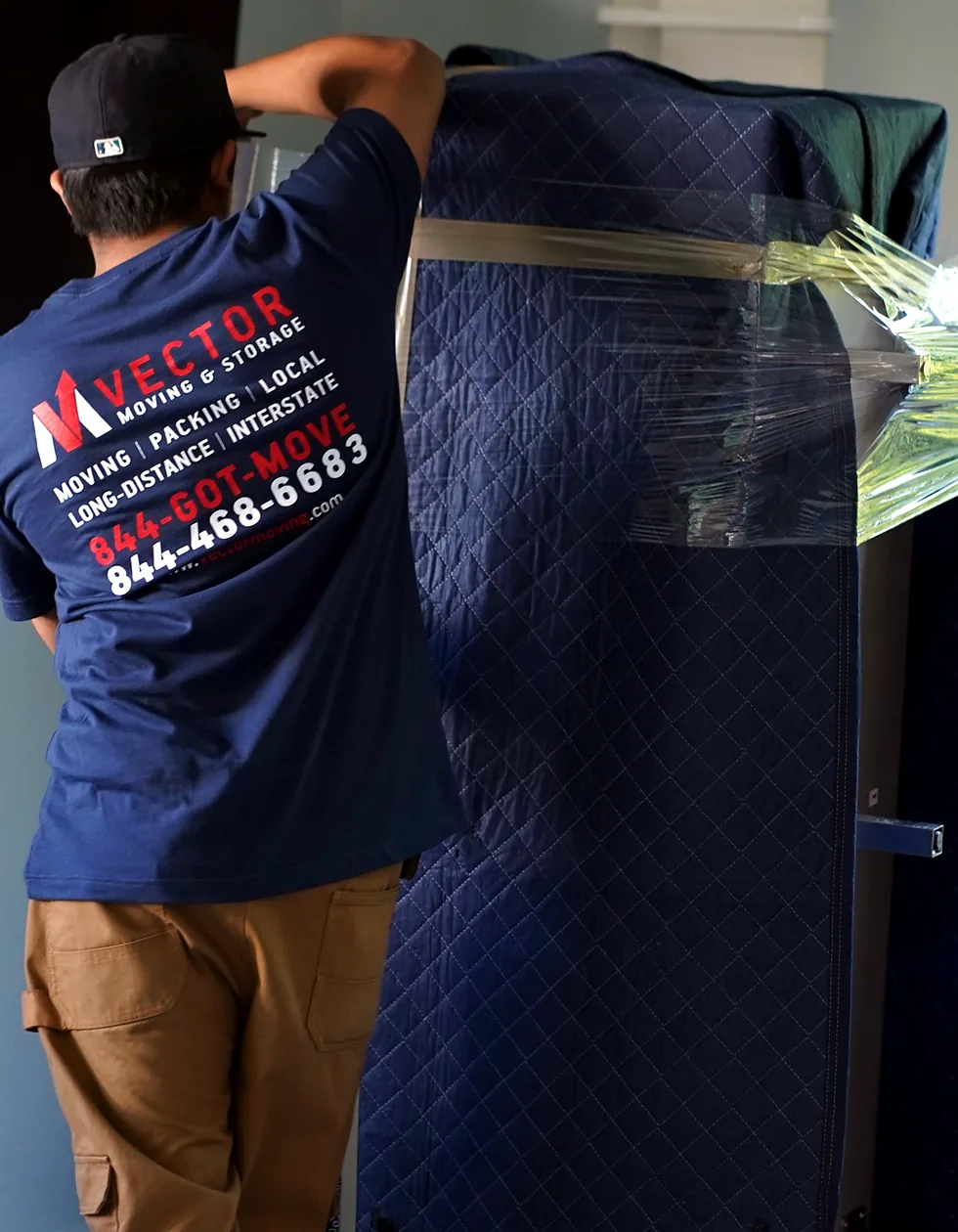
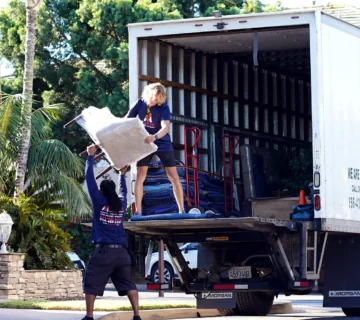
The customer’s most useful role is to provide access, identify the correct items, answer placement questions, manage children and pets, and complete the walkthrough. Do not enter the truck, stand on ramps, move equipment or join a difficult carry without the crew leader’s approval.
NIOSH explains that lifting, pushing, pulling and carrying irregular objects can contribute to workplace musculoskeletal risk, and recommends fitting tasks, tools and equipment to worker capabilities. That is why customers should not improvise the professional crew’s lifting plan.
Plan for Pickup, Vault Storage and Later Delivery
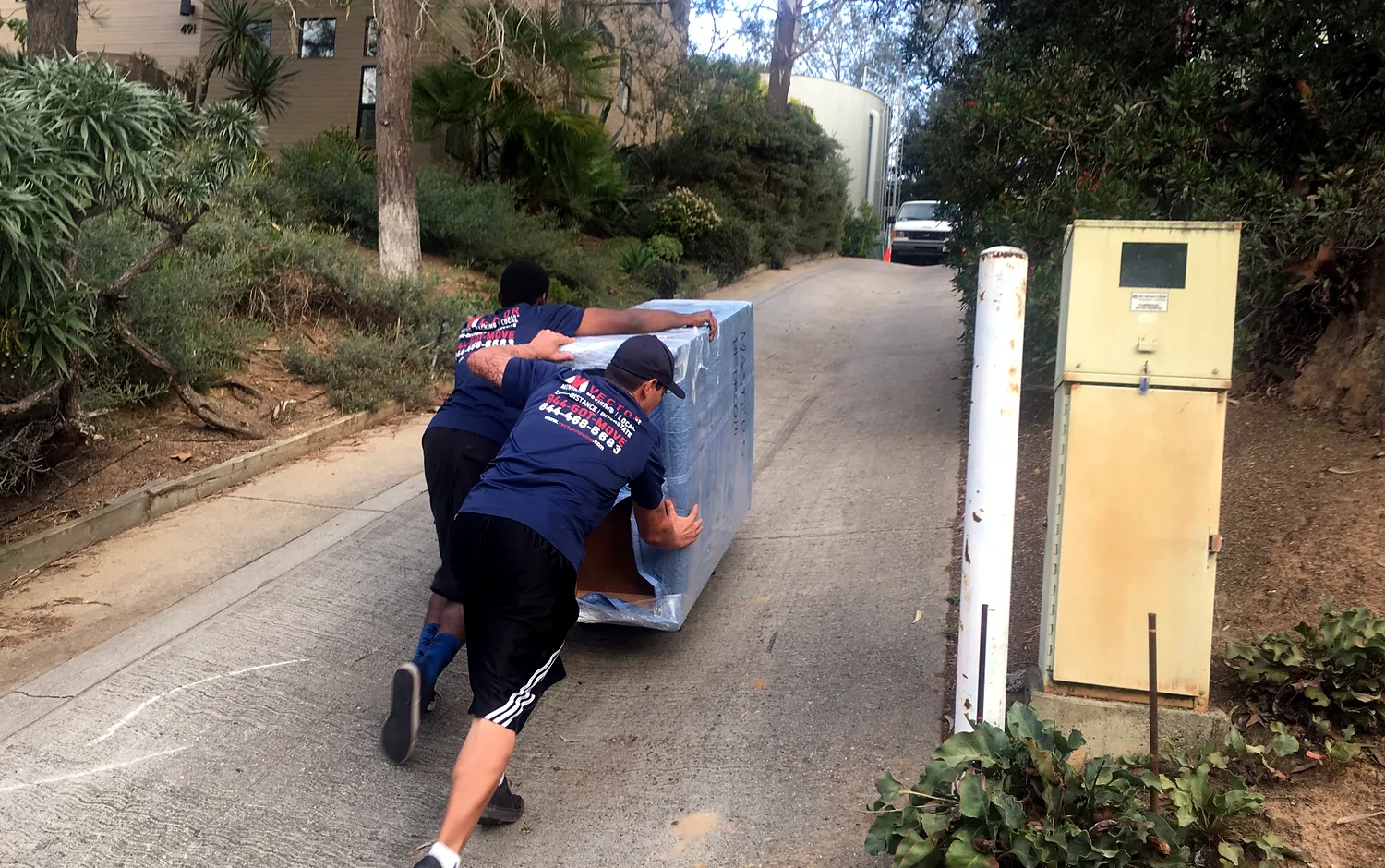
Storage adds another handling sequence. Furniture may travel from the home to the truck, into warehouse storage, back to a truck and then to the final property.
Use Destination Codes
Label protective wrap and parts with NEW HOME, VECTOR STORAGE, FAMILY, OFFICE, RETURN FIRST or another clear destination.
Review Moving Vault Needs
Vector moving vaults are approximately 5 feet wide × 7 feet long × 7.5 feet high. The likely number depends on the actual inventory and safe loading plan.
Keep a Storage Inventory
Record item codes, hardware, removable parts, condition, vault or storage destination and anything needed before final delivery.
Schedule Access and Redelivery
Warehouse access, partial retrieval, added handling and final delivery should be arranged through the office under the written agreement.
What Can Affect a Furniture-Moving Quote?
The written price and recommended plan depend on more than the number of pieces. Describe the complete service before scheduling.
Furniture Inventory
Quantity, dimensions, weight, condition, material, removable parts and specialty items.
Preparation and Disassembly
Blankets, wrap, mattress protection, hardware organization, standard disassembly, special materials and reassembly.
Property Access
Stairs, elevator, hallway length, parking, gate, driveway, loading dock and carrying distance.
Stops and Destination
Direct delivery, retailer pickup, donation, family address, storage, split delivery and final room placement.
Waiting and Building Procedures
Security, elevator windows, dock availability, access delays and building-approved moving hours.
Storage and Later Handling
Warehouse transportation, storage duration, scheduled access, retrieval and final delivery.
How to Prepare Furniture for Movers Before the Crew Arrives
Decide the Room and Approximate Position Before Unloading
When visible damage or a missing part is discovered, photograph the item, protective materials and surrounding area before repair or disposal. Keep the moving documents and follow the formal written claim process.
Connect Furniture Preparation to the Complete Move
Local and Furniture-Only Moving
Review apartment, condominium, household, partial and selected-furniture moving options.
Local and furniture-only moving services →Furniture Protection and Packing
Arrange partial or full packing and review furniture preparation, artwork and fragile items.
Professional furniture protection and packing →Moving Through Stairs
Plan stair flights, landings, box weight, furniture fit and no-elevator building access.
Moving furniture through stairs →Artwork and Mirrors
Document and prepare framed art, mirrors, canvas paintings and specialty artwork.
How to pack artwork and mirrors →Moving and Storage
Coordinate furniture pickup, moving-vault storage, scheduled access and later delivery.
Moving furniture into storage →Request a Furniture Quote
Submit the exact pieces, photographs, measurements, addresses, access, storage and specialty-item information.
Request a furniture-moving quote →Frequently Asked Questions
Can movers move only one piece of furniture?
How do I prepare furniture for movers?
Should dresser drawers be emptied?
Should I disassemble furniture before the movers arrive?
Will movers wrap my furniture?
How should I measure a sofa for moving?
What happens if furniture does not fit through the doorway?
Can movers move stone or glass furniture?
Can movers handle adjustable beds and powered recliners?
Can furniture be moved into warehouse storage?
Do stairs or elevators affect the furniture-moving quote?
Can movers pick up furniture purchased from another person?
Should I photograph furniture before moving?
How should furniture hardware be labeled?
What should I do if furniture is damaged?
How early should I request a furniture-only move?
Send the Exact Furniture, Access and Destination Details
Share photographs, measurements, item condition, removable parts, both addresses, stairs, elevator, parking, carrying distance, storage, specialty pieces and final room placement. Complete information helps Vector Moving and Storage review the appropriate crew, truck, equipment and written service plan.






No comment