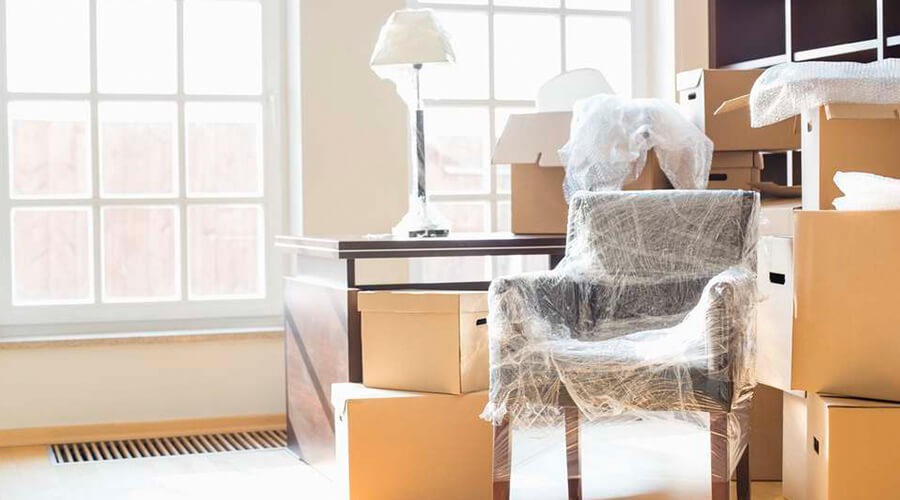
Where to Get Free Moving Boxes in San Diego
Looking for free moving boxes in San Diego? Start with people and businesses that recently unpacked clean shipments, then inspect every carton before trusting it with your belongings.
Free boxes can reduce packing costs, but the wrong cartons create more work. Damp cardboard, food residue, crushed corners, missing flaps and unknown contamination can lead to collapsed stacks or damaged contents. This guide explains where to look, what to accept and when a new specialty box is the smarter choice.

Seven Practical Places to Find Free Moving Boxes
The best source is usually a person or organization that knows how the cartons were used. Ask before taking anything, arrange pickup at an approved time and avoid removing boxes from loading docks, recycling areas or private property without permission.
Neighbors, Friends and Coworkers
Someone who recently unpacked may have a complete set of moving cartons in several useful sizes. Ask whether the boxes stayed indoors and whether any held liquids, food, chemicals or pest-affected contents.
Neighborhood Reuse Networks
Search local giveaway groups and community platforms shortly after weekends or month-end move dates. The Buy Nothing Project and Freecycle are examples of reuse networks.
Residents Who Just Moved In
Ask property management whether residents can post a box request or whether a designated reuse area exists. Do not collect cardboard from trash rooms without approval or bring boxes home before inspecting them.
Office-Supply and Equipment Cartons
Printer-paper, office-supply and small-equipment boxes are often clean and uniform. Obtain permission from the responsible manager and avoid boxes used for toner, cleaning products, chemicals or confidential records.
Small, Strong Book Cartons
Book cartons can be useful for other dense household items because they are usually compact. Ask about the delivery schedule, select boxes with intact handles or seams and keep the final packed weight manageable.
Divided and Small Product Boxes
Some stores may have clean cartons or dividers available after delivery. Avoid boxes with moisture, strong odors, sticky residue or missing top flaps. Bottle dividers do not replace proper cushioning for dishes or glassware.
Ask About Free Boxes or Reusable Bins
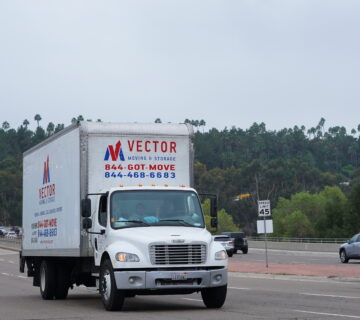
Vector offers free cardboard boxes for customers moving out of town and a free reusable-bin rental for local moves within San Diego County. The two programs have different eligibility, quantities and pickup requirements, explained below.
Free Moving Boxes and Reusable Bins From Vector
Vector Moving and Storage offers two different packing-container programs. Customers moving out of town can receive a set number of cardboard boxes based on home size. Customers completing a local move within San Diego County may reserve reusable plastic bins for temporary use. Ask the office to confirm which program applies to your move.
Free Cardboard Moving Boxes
The complimentary box quantity is based on the size of the home:
Important: This box offer applies to customers moving out of town with Vector. Confirm the offer and the applicable home-size category with the office when booking.
Free Reusable Plastic-Bin Rental
Local-moving customers may borrow reusable latching bins at no rental charge, subject to availability.
- Customer pickup is available beginning 10 days before the scheduled move.
- Bins must be returned within 10 days after the move is completed.
- Give the Vector office at least 24 hours' notice before pickup.
- Bins are offered first come, first served; availability and quantity are not guaranteed.
- Customers are responsible for picking up and returning the bins.
Do Not Gather More Cardboard Than the Move Requires
Before collecting boxes, walk through every room, closet, cabinet, garage and storage area. Estimate the quantity by home size, household density and the types of contents—not by bedroom count alone. Kitchens, books, hobbies, home offices and long-term storage usually increase the total.
A random pile of oversized cartons is not a useful packing system. Aim for a practical mix of small, medium and large boxes, then reserve new specialty cartons for items that need additional strength, protection or dimensions.

Check Every Free Box Before Bringing It Into Your Home
Open each box completely and inspect it in good light. A carton can look acceptable while folded but reveal torn seams, insects, staining or a weakened bottom after it is opened.
Discard boxes with evidence of pests, moisture, mold, grease, chemicals, heavy odors, structural damage or unknown contamination.
Remove or fully cover old shipping labels, barcodes and hazardous-material markings so nobody mistakes the box for its previous shipment. Do not use a damaged box simply by adding more tape; tape can close a seam, but it cannot restore crushed corrugated material.

Some Free Boxes Cost More in Risk and Repacking
Do not accept cartons merely because they are free. Weak boxes can collapse in a stack, slow loading and require last-minute replacement. Contaminated cardboard can bring odors, moisture or pests into the home.
Reject Damp or Soiled Cartons
Produce, meat, frozen-food and restaurant boxes may carry moisture, grease, odors or residue. Use only genuinely clean, dry cartons with a known history.
Avoid Unknown Previous Contents
Never reuse a carton that held leaking cleaners, automotive fluids, pesticides, paint or other chemicals.
Crushed Boxes Stay Weak
Reject torn handles, missing flaps, soft bottoms, punctures, deep creases and boxes that no longer hold a square shape.
Weather Changes Cardboard
Boxes left outside, in damp garages or beside dumpsters may have hidden moisture or pest exposure even when the surface looks dry.
Choose the Right Moving Box Instead of the Largest Box
Box size should control weight and protect the contents. Small cartons are easier to manage when the contents are dense. Large cartons should hold lightweight, bulky belongings—not books, canned food or a mixture of heavy items.
| Box Type | Good Uses | When a Free Box May Work | When to Use a Specialty Box |
|---|---|---|---|
| Small carton | Books, tools, canned goods and dense small items | Clean book or office-supply boxes with strong seams | Use a reinforced new carton when the contents are unusually heavy. |
| Medium carton | Toys, linens, kitchen items and mixed household goods | Uniform shipping cartons in excellent condition | Use dish-pack construction for fragile kitchenware. |
| Large carton | Pillows, comforters, lampshades and lightweight bulky items | Clean cartons that still hold a firm square shape | Use purpose-made cartons for televisions, mirrors, artwork or tall lamps. |
| Wardrobe box | Hanging clothing and selected lightweight closet items | Rarely available complete with a usable bar | Choose a proper wardrobe carton when garments should remain hanging. |
| Dish pack | Dishes, glassware and selected fragile kitchen contents | Ordinary free boxes generally lack the intended strength | Use a strong dish carton with appropriate wrapping and dividers. |
| Picture or TV box | Framed art, mirrors and compatible televisions | Use an original manufacturer box only when complete and sound | Use a correctly sized specialty carton and suitable protection. |
How to Prepare and Pack a Reused Moving Box
Open the carton, remove loose tape and check the bottom from both sides. Fold the flaps into their original position and seal the center seam and both edge seams with packing tape. Do not interlock the flaps or rely on old tape.
Line the box when the contents require it, place heavier items at the bottom and fill empty spaces so objects cannot shift. Keep the weight comfortable for one person to lift safely. Close and tape the top completely instead of leaving an open box for moving day.
Label at least two sides because the top disappears when cartons are stacked. Remove or cover every old address and barcode. For a complete room-by-room system, use Vector’s moving packing guide.

Know When Buying a Box Is the Less Expensive Decision
A free carton is useful when it is clean, strong and correctly sized for ordinary contents. New cartons are usually the better choice when failure could damage an expensive item, when a consistent stack is important or when the contents require a specialty shape or stronger construction.
Use Free Boxes
For linens, toys, pantry containers, books and ordinary household goods when the carton passes inspection and matches the weight.
Buy Specialty Boxes
For dishes, glassware, mirrors, framed art, televisions, wardrobes and other belongings needing specific dimensions or construction.
Use Original Packaging
When the complete manufacturer packaging, inserts and instructions remain available and are still in good condition.
Request Professional Packing
When time is limited, the inventory is fragile or valuable, or the customer is unsure which materials and methods are appropriate.
Packing services →Collect Boxes Without Creating a New Moving-Day Problem
Do not overload your vehicle or block mirrors and windows. Flatten cartons only when you know they can be reconstructed correctly, and keep them dry on the way home.

Finish Packing Before the Active Move Begins
Open cartons, loose belongings and boxes with weak bottoms slow the loading process. Complete packing before the scheduled arrival unless packing service is included in the written plan. Keep medications, identification, keys, valuables, important documents and immediate necessities outside the shipment.
Show the crew any unusually heavy, fragile or repurposed cartons. A box labeled only “miscellaneous” does not explain its weight, destination or handling needs.
Reuse or Recycle Moving Boxes Responsibly
Keep only cartons that remain clean, dry and structurally sound. Offer usable boxes to another mover, a neighborhood reuse group or an approved community contact. Remove personal shipping labels before passing them along.
Flatten damaged or unwanted cardboard and follow the rules for the property and collection provider. The County of San Diego’s paper and cardboard guidance and the City of San Diego recycling information are useful starting points, but collection requirements depend on the address and hauler.
Connect Your Box Plan to the Complete Move
Moving Box Calculator
Estimate a practical mix of small, medium, large, wardrobe and specialty cartons.
Estimate your boxes →Room-by-Room Packing Guide
Plan materials, labels and packing order throughout the home.
Read the packing guide →Packing Services San Diego
Request full, partial or selected-room packing based on the actual inventory.
Explore packing services →Free Moving Quote
Share the addresses, inventory, access, packing needs and schedule with Vector.
Request a quote →Frequently Asked Questions About Free Moving Boxes
Where can I find free moving boxes in San Diego?
How early should I start collecting boxes?
Are grocery-store boxes safe for moving?
Can I use liquor-store boxes for dishes?
How can I tell whether a used box is strong enough?
Which moving boxes should I buy new?
How many moving boxes will I need?
Should I remove old labels from reused boxes?
How many free boxes does Vector provide for an out-of-town move?
How does Vector's free reusable-bin rental work for local moves?
Is the exact Greenmade 45-quart bin guaranteed?
What should I do with boxes after moving?
Request a San Diego Moving and Packing Quote
Tell Vector Moving and Storage about the home, inventory, access, packing needs, move date and destination. We can help you decide which belongings can use ordinary cartons and which require additional preparation.