
Where to Store Furniture During a Home Renovation in San Diego
Storage during home renovation should be planned around the construction scope, rooms that must be cleared, furniture size, box count, dust and moisture risk, expected duration, access needs, contractor schedule, and the order in which belongings will return.
For a small project, another room or protected garage may be enough. Traditional self-storage may work when routine personal access is important. Vector Moving and Storage can coordinate pickup, furniture preparation, warehouse storage in moving vaults, and scheduled return delivery when several rooms or larger household contents need to leave the work zone.
Choosing Storage During Home Renovation
The best solution depends on how much space the contractor needs, whether the home remains occupied, how often you need access, and how many times you are willing to handle the belongings.
Another Room or Protected Garage
May work when one small room is affected, contractors do not need access through the staging area, and belongings can remain away from dust, paint, water, tools, and active traffic.
Watch for: blocked exits, unstable piles, limited contractor access, moisture, heat, garage dust, and the need to move everything again as the project changes.
Traditional Walk-In Self-Storage
May fit when you want to choose a standard unit, control the lock, visit during facility hours, and manage transportation, loading, organization, and later removal yourself.
Watch for: truck rental, repeated handling, unit size, elevator or hallway access, climate features, insurance requirements, and space lost to walkways.
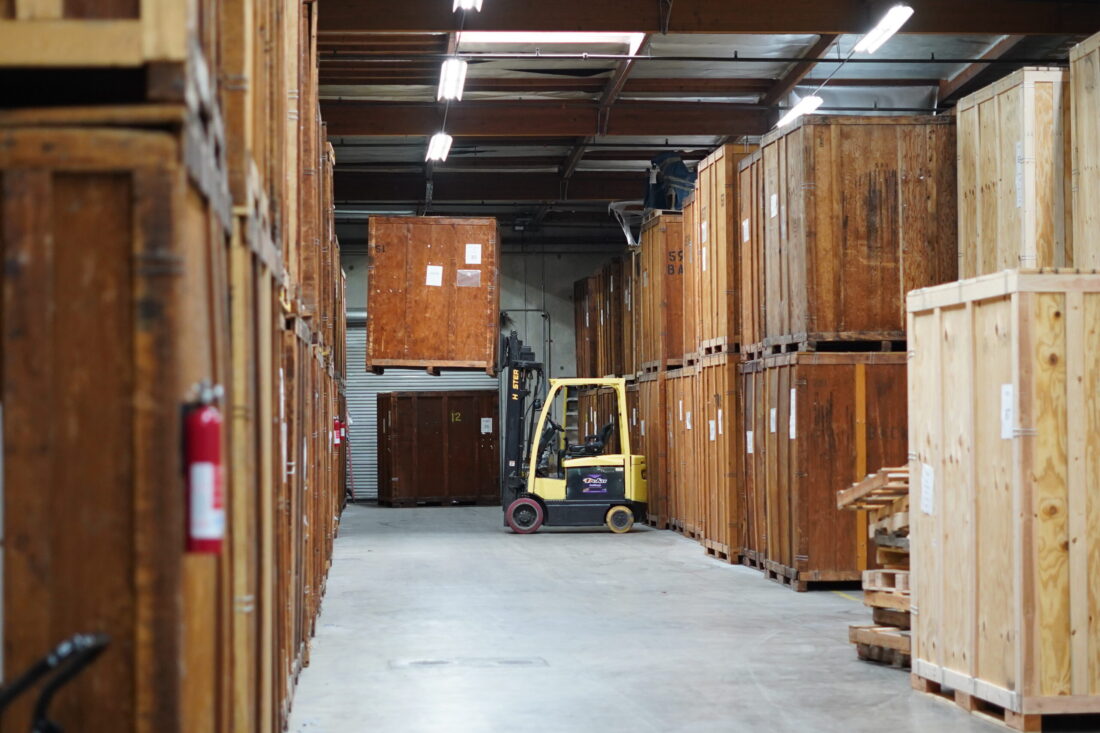
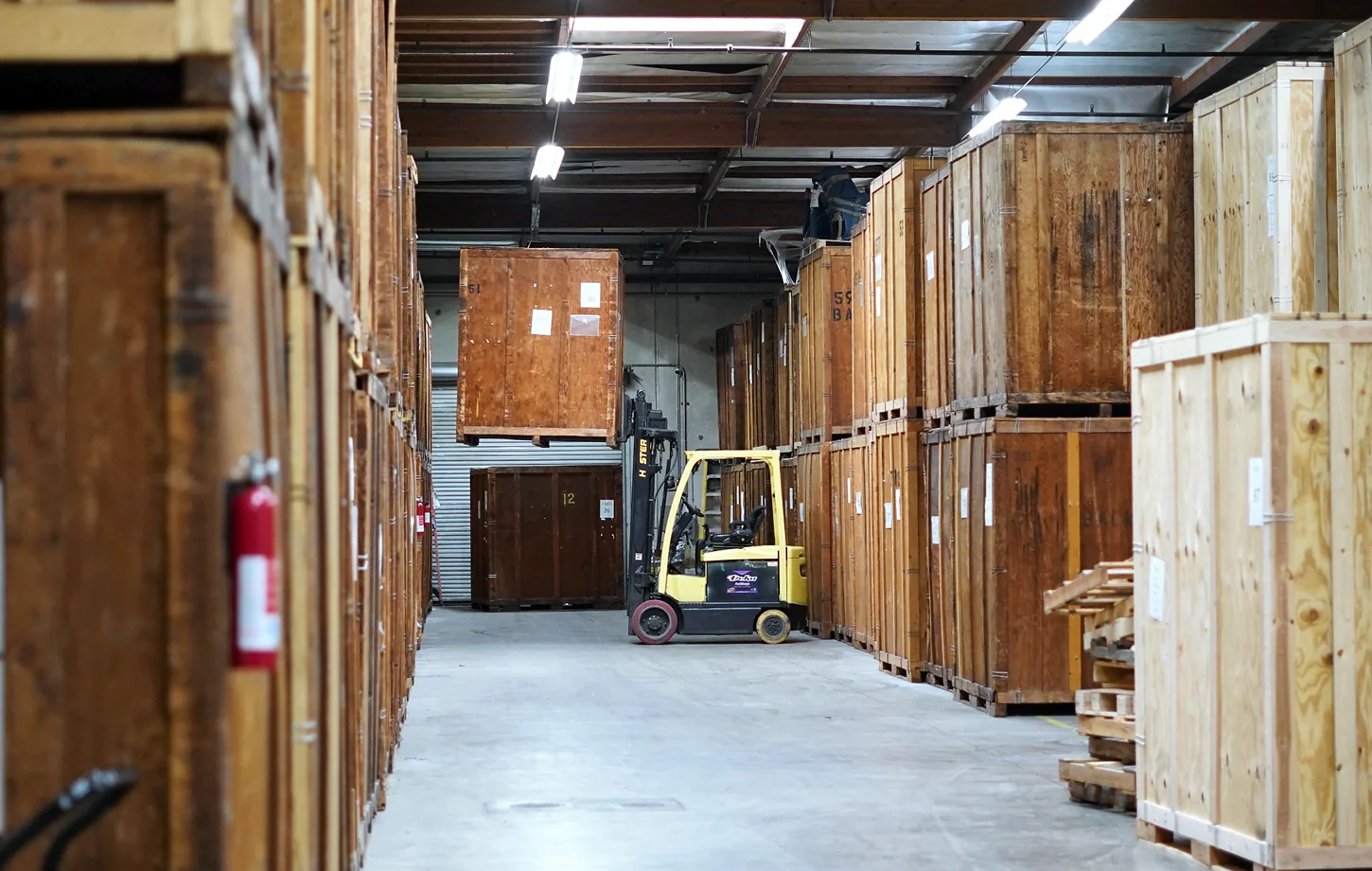
Vector Mover-Managed Warehouse Storage
Vector can coordinate removal from the home, furniture preparation, transportation, loading into moving vaults, warehouse storage, and scheduled delivery after the renovation.
Best fit: multi-room projects, larger furniture, whole-home renovations, customers in temporary housing, or anyone who wants one coordinated pickup-to-return plan.
Different Renovations Require Different Clearance Plans
Flooring Replacement
Furniture may need to leave the rooms entirely so installers can work continuously. Confirm whether closets, appliances, adjacent hallways, stairs, and room-to-room transitions must also be cleared.
Interior Painting
Remove wall décor, lamps, electronics, small belongings, and furniture from the working perimeter. Loosely draping plastic over a crowded room may not provide a practical work zone.
Kitchen Remodel
Plan dishes, cookware, pantry contents, small appliances, dining furniture, artwork, and adjoining-room belongings. Keep a temporary kitchen group outside long-term storage.
Bathroom Remodel
Remove toiletries, towels, linens, artwork, electronics, and items vulnerable to dust or moisture. Keep medication and daily personal-care supplies with you.
Whole-Home Renovation
A full-home project may require temporary housing, multiple moving vaults, staged pickup, longer storage, scheduled access, and room-by-room return delivery.
Water, Fire or Restoration Work
Coordinate with the restoration contractor, insurer, property owner, and mover. Items affected by moisture, smoke, mold, contamination, or structural damage may require specialist review before ordinary packing or storage.
Renovation Storage Planner
This tool suggests a planning direction based on the project. It does not determine the final number of moving vaults, guarantee eligibility, or replace a written inventory review.
Suggested Planning Direction
Off-site storage review recommendedThe selected project is likely to benefit from clearing furniture and packed contents out of the active work area.
Give Every Item a Destination Before Pickup
The labels should describe what happens during construction and after the project—not only the room where an item started.
Remain in the Home
Only items that can stay outside contractor access, dust, moisture, tools, and the furniture-moving route.
Vector Warehouse Storage
Furniture and packed contents leaving the property until the agreed return or staged-delivery date.
Temporary Housing
Clothing, bedding, kitchen basics, work equipment, children’s items, pet supplies, and daily essentials.
Another Address
Belongings going to family, an office, donation location, contractor, repair facility, or separate destination.
Donate, Sell or Discard
Complete these decisions before pickup so the crew does not wait while project and disposal choices are made.
Open First or Return First
Items needed before the complete shipment returns, including office equipment, seasonal belongings, and essential rooms.
How Renovation Belongings Are Organized in Warehouse Storage
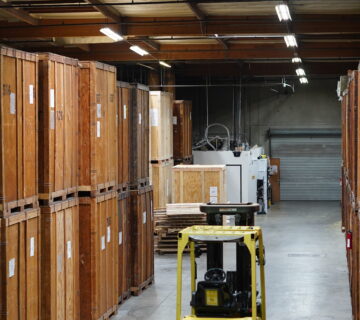
Vector may store prepared furniture and boxes in one or more wooden moving vaults. The office estimates the likely footprint from the actual inventory and photographs.
One Vault: Stated Dimensions
Each Vector moving vault is approximately 5 feet wide × 7 feet long × 7.5 feet high.
The final number of vaults can change when additional items appear at pickup or when furniture cannot be stacked as anticipated. Do not choose a vault count from bedroom count alone.
Use the complete moving-vault size guide →Plan From Contractor Scope to Return Delivery
Prepare for the Trip to Storage and the Trip Back Home
Renovation storage usually involves at least two moving stages: the home to the warehouse and the warehouse back to the renovated property. Packing and furniture preparation should support both handling stages.
Artwork, large glass, stone, antiques, unusual electronics, musical instruments, safes, pianos, or custom furniture may need measurements, specialty preparation, another provider, or a separate written plan.
Clear the Work Zone Without Creating Damage Elsewhere
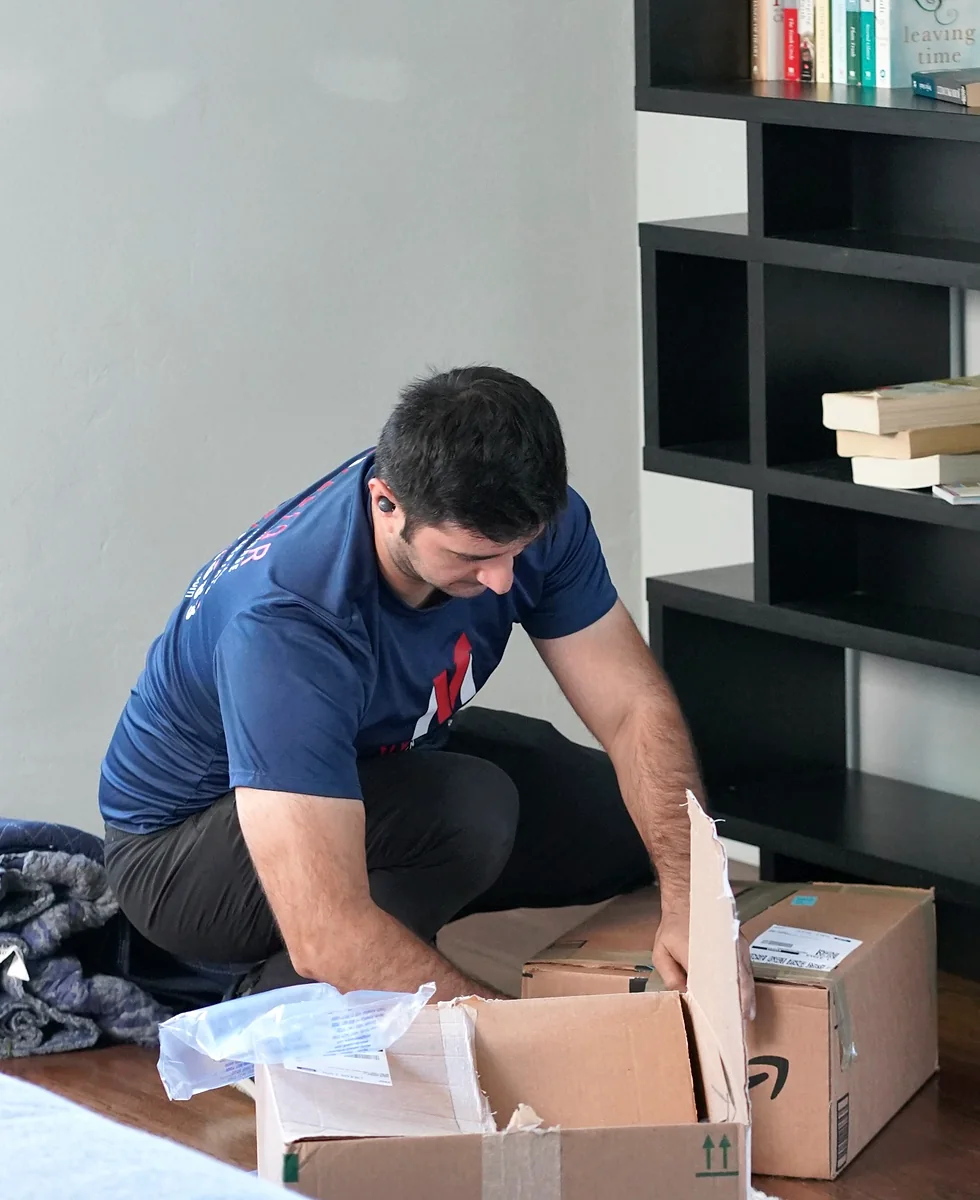
Furniture may be padded, wrapped, disassembled, or otherwise prepared based on the item and written service. The crew should also review the carrying route, floors, stairs, doors, elevators, and truck access before large belongings leave the home.

Identify Anything You May Need Before the Main Return
The best retrieval plan is created before the vaults are loaded. A customer should not promise a contractor, designer, tenant, or family member immediate warehouse access without confirming the process through the office.
Temporary Housing
Clothing, bedding, daily kitchen items, pet supplies, children’s needs, and toiletries should remain with you rather than entering storage.
Contractor Needs
Appliance parts, fixtures, samples, manuals, and materials that the contractor may need should be separated before pickup.
Seasonal or Work Items
Office equipment, uniforms, holiday items, sports equipment, or documents needed during construction should be planned separately.
Return First
Bedroom essentials, home office, or other priority rooms can be identified for staged delivery when the written plan allows it.
Do Not Send the Shipment Back Into an Unfinished Work Zone
Before return delivery, confirm that contractors have released the rooms and that wet paint, uncured floors, exposed wiring, open plumbing, dust-producing work, tools, debris, and blocked access will not interfere with furniture placement.
Phase 1
Bedrooms, daily essentials, basic kitchen contents, children’s items, and immediate work equipment.
Phase 2
Living, dining, office, and large furniture after the main rooms and carrying routes are ready.
Phase 3
Artwork, décor, books, seasonal items, and final boxes after furniture placement is confirmed.
Each additional retrieval, delivery, or return-to-storage stage may affect scheduling, labor, handling, and price. Discuss phased delivery before pickup whenever possible.

What Affects the Cost of Storage During Home Renovation?
Pickup Labor
Crew size, time, stairs, elevators, parking, long carries, building rules, furniture preparation, and truck access.
Packing and Materials
Customer packing, partial packing, full packing, boxes, paper, tape, mattress protection, and specialty materials.
Transportation and Handling
Loading, travel to the warehouse, vault handling, forklift operations, and later loading for final delivery.
Storage Footprint and Duration
Estimated vault quantity, actual inventory, storage period, minimum terms when applicable, and extensions caused by construction delays.
Access and Retrieval
Scheduled warehouse access, vault positioning, partial retrieval, additional handling, return to storage, or a separate delivery.
Return Delivery
Final address, stairs, elevators, parking, long carries, room placement, eligible reassembly, and staged delivery.
Do Not Assume Ordinary Warehouse Storage Fits Every Belonging
Do not assume a warehouse or storage service provides temperature or humidity control unless that feature is specifically confirmed in the written agreement. Disclose wine, fine artwork, antiques, musical instruments, photographs, documents, certain electronics, plants, or other sensitive items before booking.
Keep identification, medication, keys, cash, jewelry, passports, financial records, renovation and insurance documents, irreplaceable records, security devices, essential electronics, pet supplies, and immediate work equipment with you.
Plan the Renovation, Storage and Return as One Project
Moving and Storage
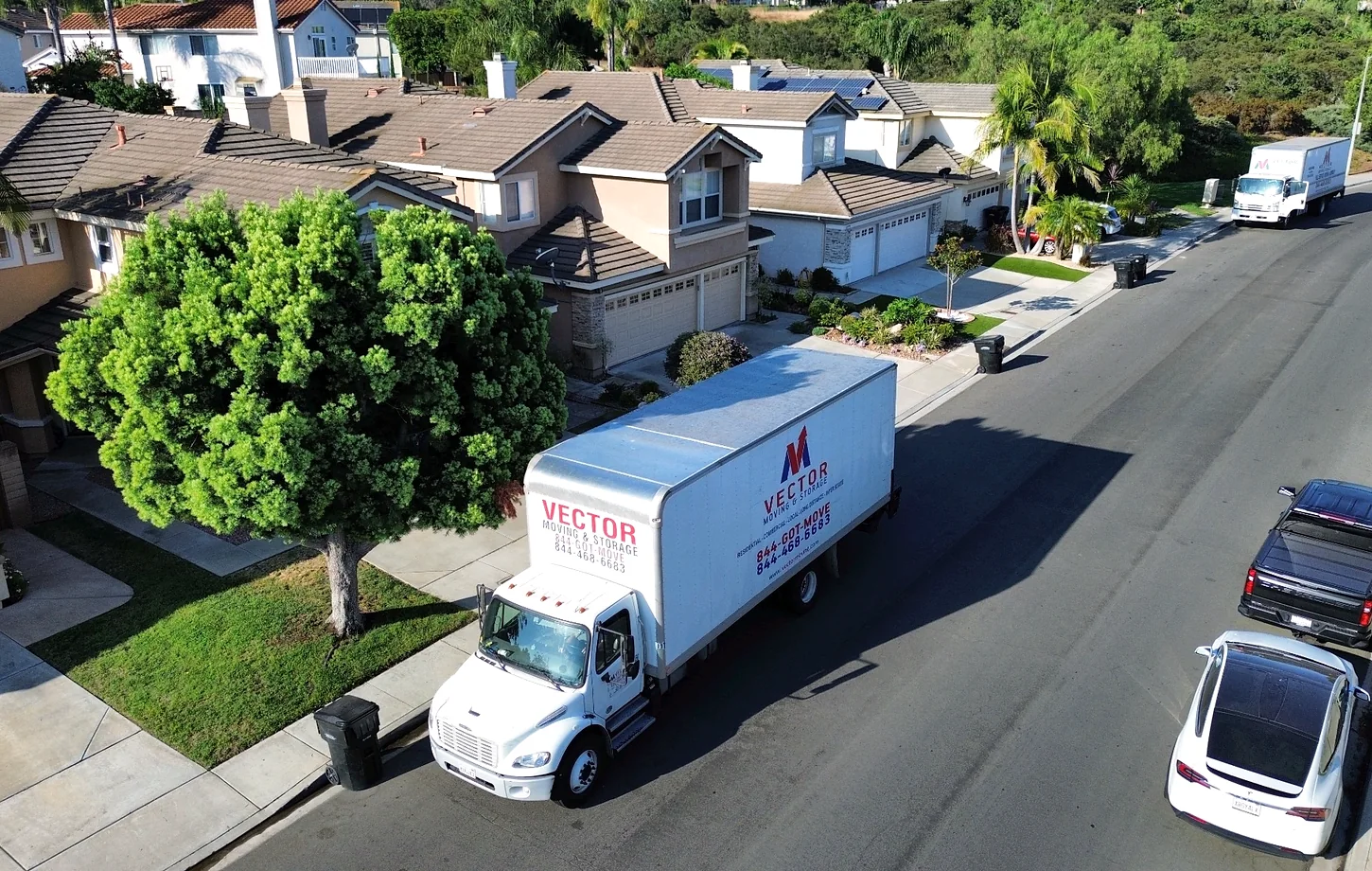
Coordinate pickup, warehouse storage, scheduled access, and final delivery through one written moving plan.
Moving and storage in San Diego →Short-Term Storage
Store belongings during renovations, closing gaps, temporary housing, staging, or another temporary delay.
Short-term storage in San Diego →Moving Vault Size Guide
Compare traditional self-storage dimensions with Vector 5 × 7 × 7.5-foot moving vaults.
Moving vault size guide →Packing Services
Arrange full packing or partial help with kitchens, artwork, closets, books, offices, and fragile items.
Professional packing services →Moving Box Calculator
Estimate small, medium, large, wardrobe, dish-pack, and picture boxes before storage pickup.
Estimate moving boxes →Local Moving Services
Plan household pickup, furniture preparation, approved additional stops, and delivery within San Diego County.
Local moving services →Frequently Asked Questions
Where should I put furniture during a home renovation?
When is off-site storage better than using another room?
How early should I arrange storage during home renovation?
How large is one Vector moving vault?
How many Vector vaults might I need?
Can Vector pick up furniture before construction begins?
Can Vector return the belongings after the remodel?
Can I access items while they are in Vector warehouse storage?
Can part of the shipment be delivered before the rest?
How should boxes be labeled for renovation storage?
Is Vector warehouse storage the same as self-storage?
Is the Vector warehouse climate-controlled?
What should I keep with me during the renovation?
What happens if the renovation takes longer than planned?
What affects the total renovation-storage cost?
Can office or business contents be stored during renovation?
Pickup, Moving Vaults and Scheduled Return Delivery
Vector Moving and Storage can review the construction schedule, pickup property, rooms to clear, complete furniture inventory, box count, packing, specialty items, estimated storage duration, expected access, moving-vault needs, and final delivery plan.
The written quote should identify pickup labor, packing or materials, furniture preparation, transportation, warehouse handling, storage terms, scheduled access, partial retrieval, and final or staged delivery.
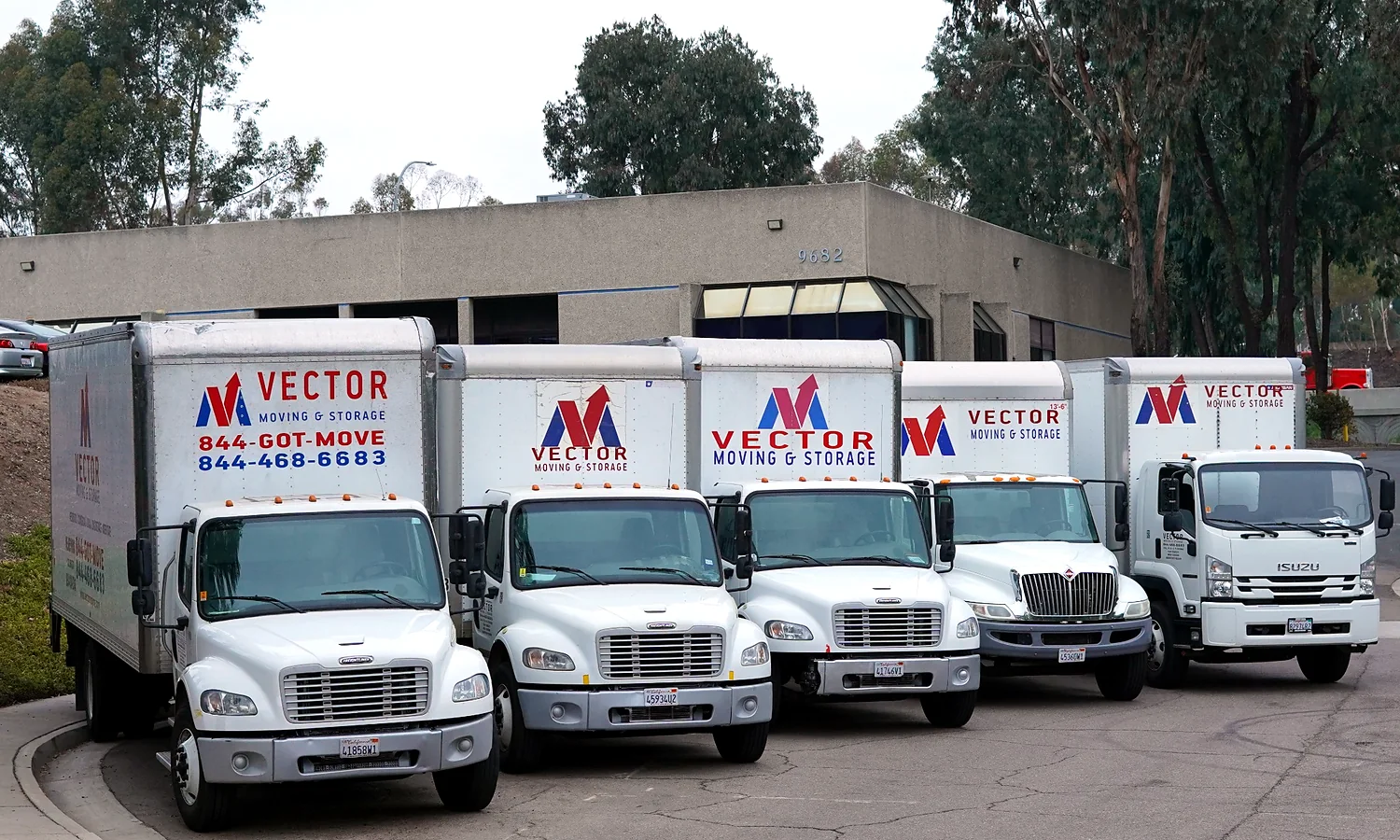
Clear the Work Zone Before Construction Begins
Send Vector Moving and Storage the pickup address, rooms affected, contractor timeline, furniture inventory, estimated box count, photographs, packing needs, expected storage duration, access requirements, and planned return date. The office can review the project and explain the available moving-and-storage options.





No comment