

How to Pack Hanging Clothes for Moving
Learning how to pack hanging clothes for moving can save time at both homes and help suits, dresses, jackets, uniforms, and everyday clothing arrive organized. The best method depends on the garment, move distance, weather, available space, and whether you are packing yourself or using professional packing services.

Use sturdy wardrobe boxes with a hanging bar for garments that should keep their shape. Transfer clothing directly from the closet rod to the box bar, keep the box upright, avoid overfilling it, and label it by room or owner. Fold durable everyday clothing into clean boxes or suitcases instead of using wardrobe space for everything.
Sort the Closet Before Moving It
Moving every hanger without reviewing the closet adds boxes, handling, and unpacking time. A short sorting session makes the packing method easier to choose and keeps unworn clothing from taking up truck space.
Move
Keep clothing that fits, is worn regularly, or belongs at the new home. Separate hanging garments from items that can be folded without harm.
Donate or Sell
Remove clean, usable items you no longer want. Complete donations or pickups before moving day so bags do not become mixed with the shipment.
Keep With You
Set aside clothing, shoes, medication, work uniforms, documents, jewelry, and personal necessities needed during the first several days.
Wardrobe Boxes, Garment Bags or Folded Boxes?
No single container is right for an entire closet. Reserve hanging protection for pieces that wrinkle easily, have structure, or are difficult to press. Fold casual clothing when that is safe for the fabric.
| Packing method | Best for | Important limitation |
|---|---|---|
| Wardrobe box | Suits, dresses, coats, uniforms, dress shirts, blouses, structured jackets and other garments that should remain hanging. | Must stay upright and should not be packed so tightly that clothing is crushed or the bar is overloaded. |
| Garment bag | Selected formalwear, delicate pieces and the small group of clothes traveling with you. | A garment bag is flexible; it does not replace the rigid protection of a wardrobe box inside a moving truck. |
| Standard moving box | Folded shirts, jeans, sweaters, athletic wear, pajamas and other durable clothing. | Use a clean box, keep the load manageable, and avoid placing heavy objects on top of clothing. |
| Suitcase or travel bag | First-night clothing and durable folded items that will be needed quickly. | Do not make luggage too heavy to lift safely. Keep important personal items under your control. |
| Temporary hanger cover | A small group of everyday garments on a short, direct move when handled separately. | It provides limited protection and should not be treated as a substitute for a closed box on a long-distance or storage move. |
How to Use a Wardrobe Box Correctly
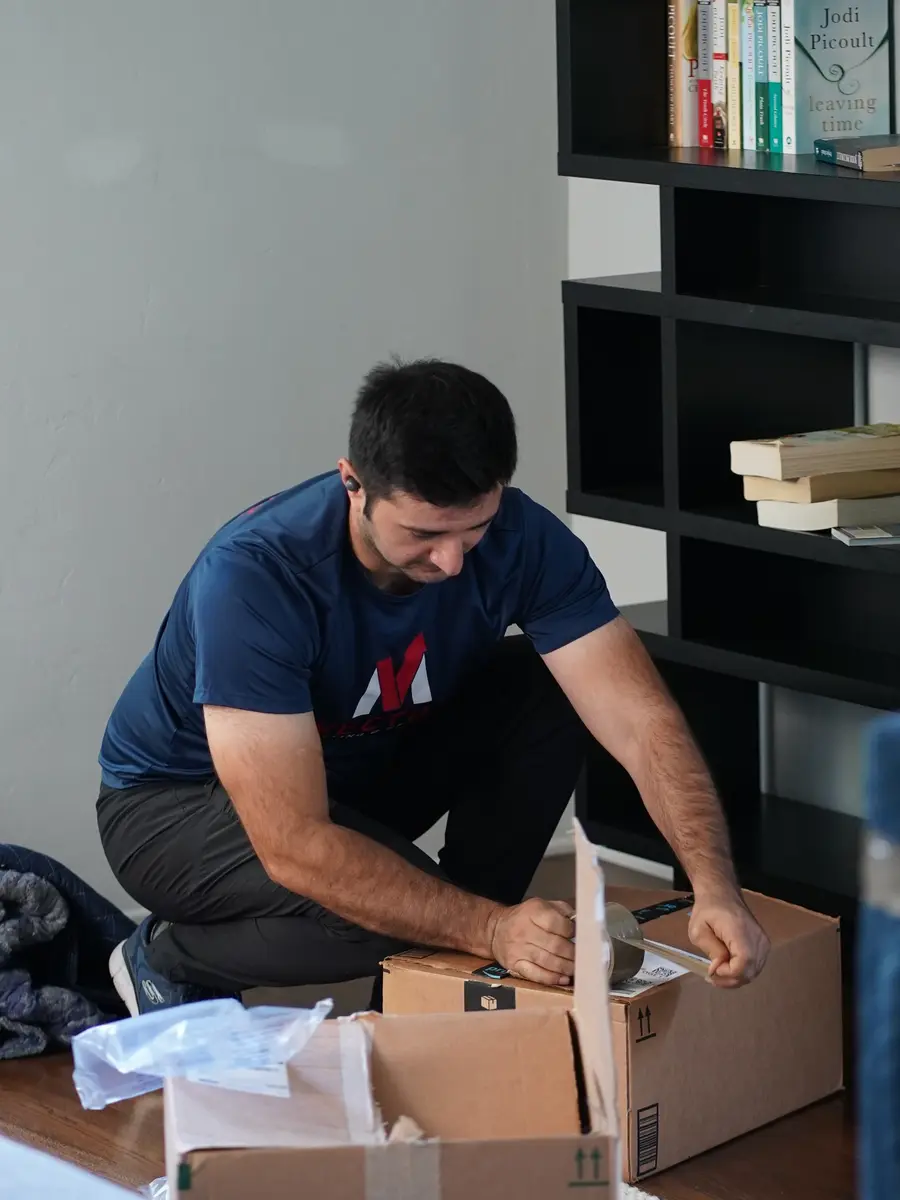
- Assemble and reinforce the bottom. Follow the box manufacturer’s instructions and use quality packing tape. The base must be closed before clothing is added.
- Install the hanging bar. Seat the bar securely in its supports. Confirm that the box is stable and standing where it can be packed without repeated movement.
- Group clothing logically. Pack by person, closet, season, or garment type. This keeps one box from becoming a mixture of several rooms.
- Transfer hangers in small groups. Lift garments from the closet rod and place them on the wardrobe bar without piling them on the floor.
- Leave breathing room. The box should close without forcing the sides inward or compressing shoulders, sleeves, hems, and delicate fabric.
- Close and label the box. Mark the owner or destination room and note “wardrobe—keep upright.” Avoid listing valuable contents on the outside.
Wardrobe-box sizes and bar capacities vary. Follow the container instructions and do not assume every box can hold the same number or weight of garments.
Prepare Delicate, Formal and Structured Clothing
Suits and Jackets
Use supportive hangers wide enough for the shoulders. Fasten a button when appropriate, empty pockets, and keep heavy jackets from pressing against lighter garments.
Dresses and Long Garments
Remove belts and loose accessories that can snag. Make sure hems stay inside the box and are not trapped under the bottom flaps or dragging on the floor.
Delicate Fabrics
Use clean breathable protection suitable for the fabric. Avoid adhesive against clothing and remove thin retail or dry-cleaning plastic before long-term storage because it is not designed as permanent garment protection.
High-Value Pieces
Photograph condition before packing and discuss unusual, antique, couture, or especially valuable garments with the moving coordinator. Keep jewelry and irreplaceable personal items with you.
Alternative Ways to Move Clothes on Hangers
If wardrobe boxes are unavailable, you can still organize hanging clothes for a short move. The alternative should match the travel time, weather, handling, and garment value.
The familiar trash-bag method may keep a small group of everyday clothes together during a very short trip, but bags tear, slide, expose hems, and offer little structural protection. Never load loose hanging clothes against furniture, equipment, truck floors, or unprotected surfaces.
Pack Folded Clothes, Shoes and Accessories Separately
Do not fill the bottom of a wardrobe box with unrelated heavy belongings. Extra weight can make the box unstable and may damage hanging garments. Use separate, clearly labeled containers.
For broader room-by-room preparation, use our complete guide to packing for a move and estimate supplies with the moving-box planning guide.
Keep a Personal Clothing Bag Outside the Shipment
Before the movers arrive, prepare a suitcase or personal bag for the transition period. Do not place it beside packed shipment boxes where it could be loaded accidentally.
When to Use Professional Packing Services
Professional help is useful when the closet is large, the schedule is tight, several family members are moving, or clothing must be coordinated with a full household shipment.
Full Packing
The crew packs eligible household contents according to the agreed scope, including closets, folded clothing, boxes, and other rooms.
Partial Packing
You can reserve help for closets, kitchens, fragile items, artwork, or other selected areas while packing the remaining belongings yourself.
Packing Materials
Confirm which boxes and materials are included, supplied for temporary use, available for purchase, or expected to be ready before the crew arrives.
Vector Moving and Storage provides professional packing services in San Diego for complete homes or selected rooms. Customers planning a local move or a long-distance move should confirm wardrobe-box needs, clothing volume, packing responsibility, and delivery timing before moving day.
Common Mistakes When Packing a Closet
Waiting Until Moving Morning
Closets often contain more volume than expected. Sort, clean, and reserve materials early enough to finish before the crew’s arrival window.
Overloading the Box
Too many heavy coats or tightly compressed garments can strain the bar, distort clothing, and make the container difficult to handle.
Leaving Items in Pockets
Keys, coins, cosmetics, pens, jewelry, and other objects can leak, snag fabric, become lost, or add unnecessary weight.
Using Unlabeled Containers
“Bedroom” is not specific enough when several people are moving. Label by owner, room, closet, or immediate-use priority.
Frequently Asked Questions
Should I leave clothes on their hangers when moving?
Can movers provide wardrobe boxes?
Can shoes go in the bottom of a wardrobe box?
How many clothes fit in a wardrobe box?
How should I pack hanging clothes for storage?
When should I unpack wardrobe boxes?
Related Moving and Packing Resources
Need Help Packing Your Closets and Home?
Tell Vector Moving and Storage about the size of the home, clothing volume, preferred date, destination, packing needs, access, and any storage requirements. We can help organize the appropriate moving and packing plan.








No comment