What to Expect From Professional Movers on Moving Day
If you are wondering what to expect from movers on moving day, the process usually begins before the first box is lifted. The customer sees the finished result but may not know what happens between crew arrival and final sign-off. A professional move usually follows a sequence: confirm the scope, walk through the property, prepare the route and furniture, load according to the delivery plan, transport the shipment, unload by room, and complete a final walkthrough.
Vector Moving and Storage’s San Diego movers plan each job around the actual inventory, access, packing, storage, specialty items, schedule, and destination. This guide explains what the crew may do, what the customer should have ready, and which services require advance agreement.
What to Expect From Movers Before the Crew Is Dispatched
The crew can only arrive prepared when the office has the correct addresses, inventory, access, packing scope, storage plan, specialty items, additional stops, and timing requirements.
Review the Move
Provide every room, garage, patio, storage area, furniture piece, approximate box count, elevator, stairway, long carry, gate, and additional address.
Review the Written Documents
Read the services, rate basis, valuation or protection selection, payment terms, dates, addresses, and any special instructions before signing.
Confirm Access
Reserve elevators or docks, provide gate and security instructions, confirm lawful truck placement, and send certificate-of-insurance requirements early.
Define the Packing Scope
Specify no professional packing, partial packing, or full packing. Identify kitchens, artwork, closets, books, office contents, and fragile items separately.
Prepare the Home Before the Movers Arrive
Finish the work assigned to you before the arrival window. When customer packing is part of the plan, loose small belongings should be in closed, labeled, manageable cartons rather than open baskets, bags, drawers, or mixed piles.
When the crew is scheduled to pack, leave the agreed contents available and do not mix customer-carried valuables or prohibited materials into the packing area.
Read the room-by-room packing guide →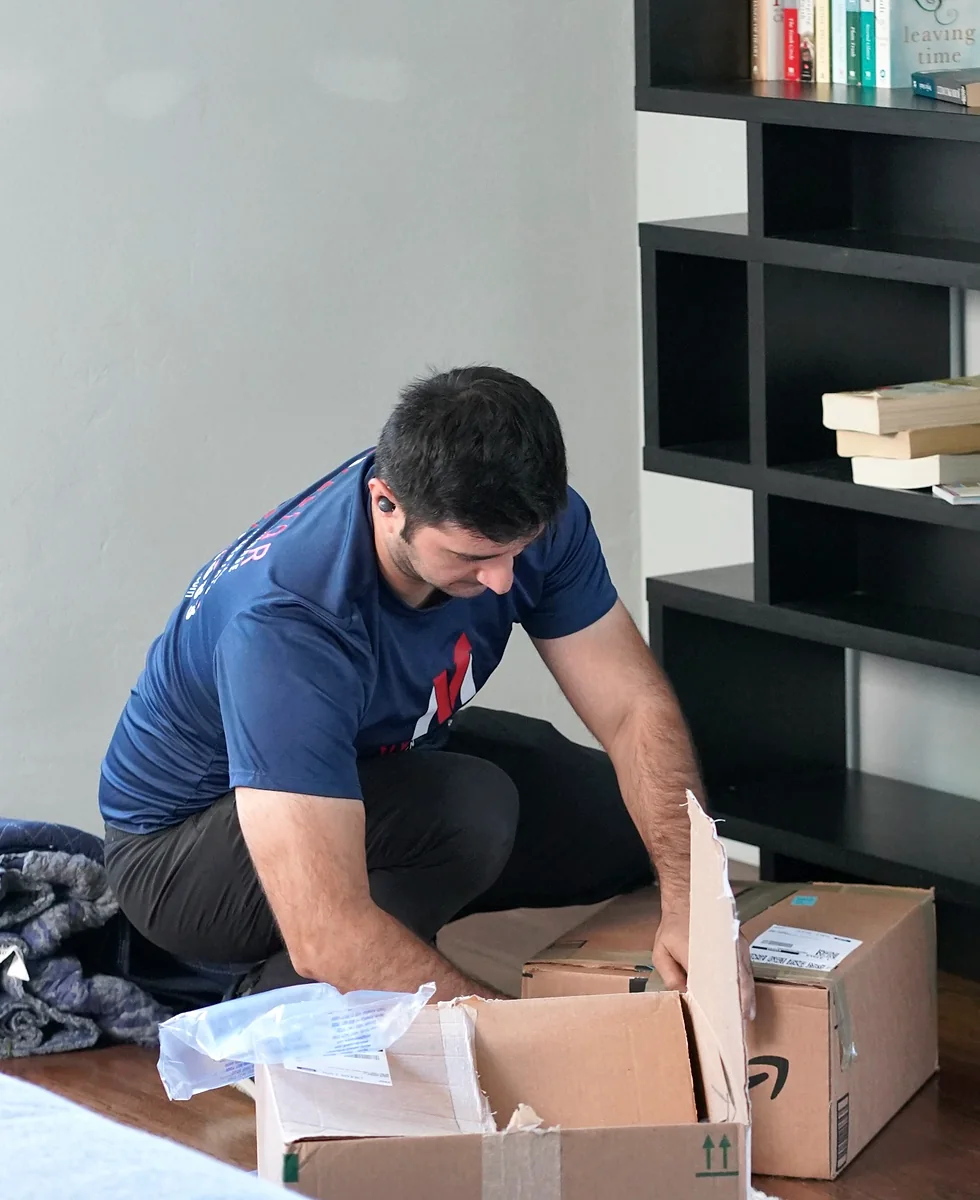
The Initial Walkthrough Aligns the Crew With the Customer
Before loading begins, the crew leader and customer should confirm the property, items, access, packing, specialty pieces, and destination instructions. This is the time to identify changes—not after the truck is mostly loaded.
Protection Is Selected for the Item, Property and Service
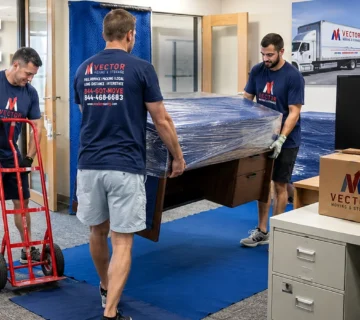
Depending on the written scope and actual move, the crew may use moving blankets, stretch wrap, mattress protection, dollies, straps, floor runners, doorway protection, railing protection, and tools for eligible standard furniture disassembly.
Custom, mechanical, built-in, antique, damaged, unstable, oversized, stone, glass, or unusually heavy items may require advance photographs, measurements, specialty materials, additional labor, or another provider.

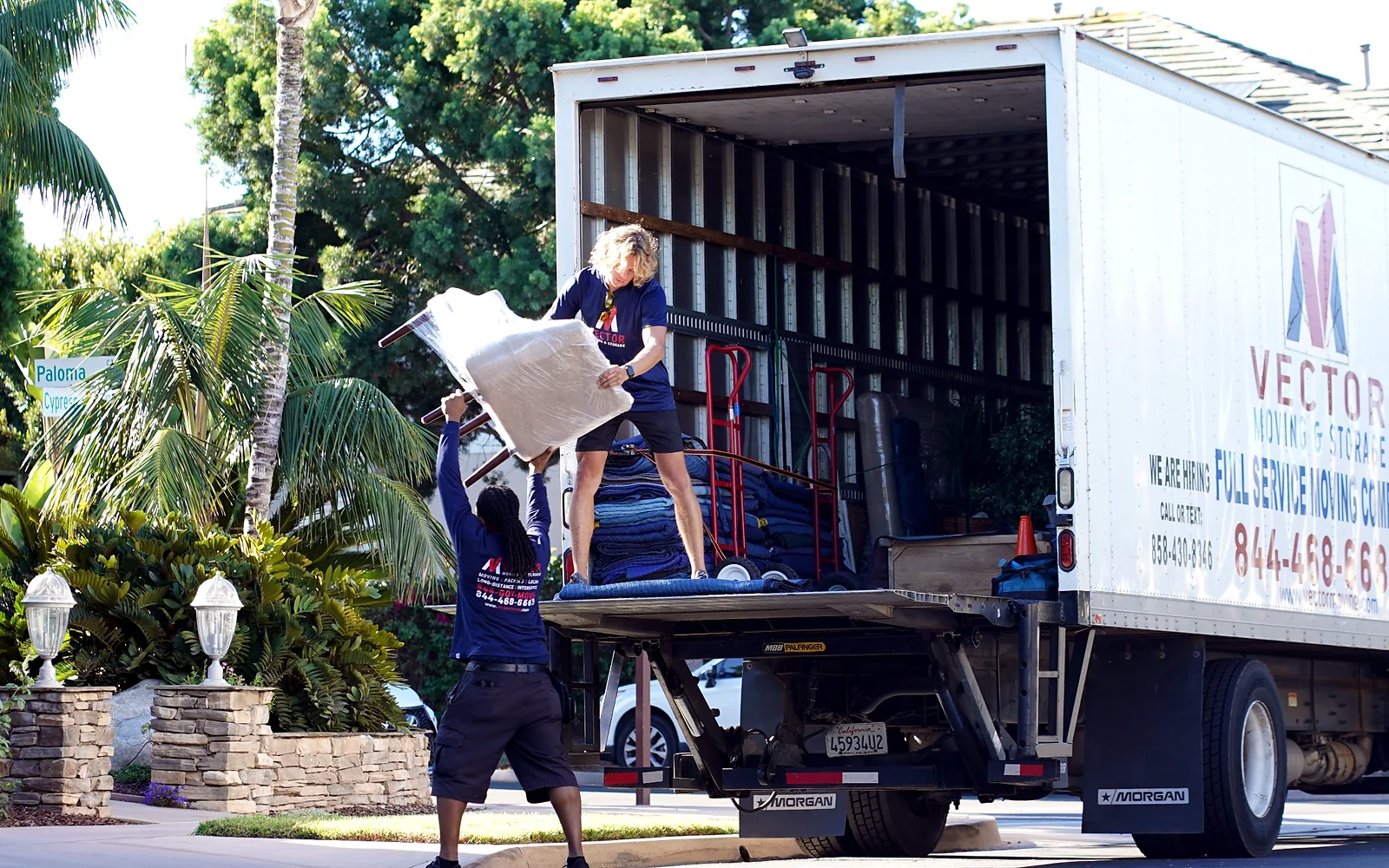
Loading Order Should Match Weight, Stability, Stops and Delivery
The crew does not normally load in the same order that items are encountered. The truck must be organized for safe transportation and the delivery plan.
Closed, Labeled Boxes
Uniform cartons can be organized and stacked more reliably than open containers, loose belongings, overloaded boxes, or mixed bags.
Protected Furniture
Furniture preparation should be complete before the piece is moved to the truck and placed beside other shipment items.
Multiple Stops
Storage, donations, a second pickup, or split delivery should be disclosed in advance so the loading order supports every destination.
Heavy and Specialty Items
Safes, pianos, stone, large glass, exercise equipment, appliances, and commercial equipment may affect position, labor, equipment, and eligibility.
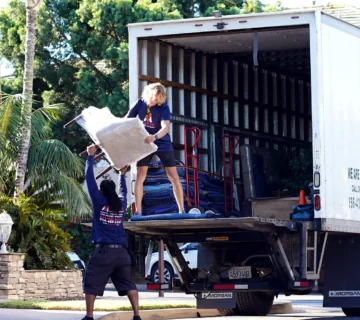
Do not enter the truck, move ramps, operate liftgates, or reposition equipment without crew authorization. The loading area is an active work zone.
Be Available Without Interrupting the Crew’s Workflow
Professional movers need timely decisions, clear access, and an authorized person who can answer questions. They do not need a customer standing in the carrying route or changing instructions for each item while it is being moved.
Do Not Assume Every Moving-Related Task Is Automatically Included
The written estimate or service agreement should identify what the crew will perform. Services and eligibility can vary by item, property, move type, and provider.
Packing and Unpacking
Full packing, partial packing, fragile-item packing, unpacking, box removal, or material supply should be arranged and priced in advance.
Appliance Service
Gas, water, electrical, refrigeration, mechanical, and manufacturer-specific preparation may require a licensed or qualified technician.
Wall-Mounted Items
Televisions, artwork, shelving, fixtures, mirrors, cabinets, and attached items may require advance removal or another service provider.
Specialty Moving or Crating
Large glass, artwork, antiques, stone, safes, pianos, chandeliers, machinery, and unusually constructed pieces need advance review.
Cleaning and Disposal
House cleaning, trash removal, hazardous-waste disposal, donations, and junk hauling are separate unless specifically arranged.
Hoisting or Exterior Access
Balcony, window, crane, hoisting, shuttle, or restricted-road solutions require advance planning, authorization, equipment, and pricing.
Delivery Works Best With Clear Room Labels and Placement Decisions
Read the Completed Documents Before Signing
Review the hours or charges, services performed, additional approved work, delivery condition, inventory, payment terms, and any exceptions. Ask for clarification before signing a statement you do not understand.
For an interstate shipment, FMCSA advises customers to read the estimate, bill of lading, inventory, and all completed documents before signing. The inventory records the existence and condition of listed items and should be reviewed carefully.
Review FMCSA’s moving document guidance →
Some Changes Affect the Scope; Others Affect Only the Schedule
Added Inventory or Stops
Additional furniture, boxes, storage, packing, or addresses can change the labor, truck space, loading order, and written price.
Traffic and Road Conditions
Congestion, closures, weather, or lawful commercial-vehicle routes can affect travel without changing the actual inventory.
Blocked Property Access
An unavailable elevator, locked gate, occupied loading dock, steep driveway, or distant truck position can affect crew time and equipment.
Communication
Tell the crew leader and office as soon as a material change or problem appears so the available options can be reviewed and documented.
A delay caused by traffic or a building is not the same as a customer request for added service. The written records should distinguish what changed and why.
Interactive Checklist From Arrival to Final Walkthrough
Use this checklist in your browser during the move. It does not submit information to Vector Moving and Storage.
Keep Appreciation and Claims as Separate Decisions
Tipping Is Optional
A gratuity can recognize professional service, but it is not a required charge. Different packing, pickup, and delivery crews can be considered separately.
Read the mover tipping guide →Detailed Feedback Helps
A review or message that names the crew and describes specific strengths gives the office useful information and recognizes individual work.
Read customer testimonials →Document Damage or Missing Items
Photograph the item and packaging, keep records, notify the company, and follow the formal written claim instructions instead of using a tip discussion as a substitute.
Read the moving damage claims guide →Choose the Service That Matches the Actual Move
Local Moving
Homes, apartments, condominiums, townhomes, furniture-only moves, and approved additional stops throughout San Diego County.
Local moving services →Long-Distance Moving
California and qualifying interstate moves with route, documents, valuation, packing, storage, and delivery planning.
Long-distance moving services →Packing Services
Full packing, partial packing, kitchens, artwork, closets, fragile items, home offices, and unpacking assistance.
Professional packing services →Moving and Storage
Pickup, furniture preparation, warehouse storage, scheduled access, and final delivery when the destination is ready.
Moving and storage →Commercial Moving
Office and business relocation planned around furniture, vendors, loading access, building rules, downtime, and reopening.
Commercial and office moving →Crew Recommendation
See how home size, packing, stairs, long carries, storage, and specialty items may affect the recommended crew.
How many movers do I need? →Frequently Asked Questions
What to expect from movers when they first arrive?
Do movers start loading immediately?
Should I empty dresser drawers before the movers arrive?
Do movers wrap furniture automatically?
Can movers pack items on moving day?
What should I do while movers are working?
Can I help carry boxes to make the move faster?
What happens if I have more items than were listed?
Will movers disconnect appliances or wall-mounted televisions?
How should boxes be labeled for delivery?
What should happen before the truck leaves the pickup?
What should happen before the movers leave the destination?
Is tipping required after the move?
What should I do if something is damaged or missing?
Request a Quote From Vector’s San Diego Movers
Share both addresses, moving date, complete inventory, property access, stairs, elevators, parking, packing, storage, specialty items, and additional stops. Complete details help the office recommend the crew, truck, equipment, and written service plan for the actual move.