

Moving With Kids: A Practical San Diego Family Moving Guide
Moving with kids requires two plans at the same time: the physical relocation and the family transition. Children need clear information, familiar essentials and a safe place away from active lifting, while parents still need to coordinate packing, access, transportation and the new home.
This guide turns seven simple ideas into a complete plan for preparing children before the move, keeping moving day organized and helping the family settle in afterward.

Why Moving With Kids Needs a Separate Plan
Adults may think about contracts, boxes and travel time. Children may focus on a bedroom, friends, school, pets, favorite objects and whether daily routines will remain recognizable. A useful plan acknowledges both perspectives without promising that every child will feel excited.
Explain the move in language appropriate for the child’s age. Share what is known, avoid inventing answers and return to the conversation as details become final. Show photographs of the new home or area when available, and use a calendar to make the timing easier to understand.

Help Children Participate Without Entering the Moving Work Zone
Participation can give children a sense of control, but their tasks should happen before or after professional movers are carrying furniture and operating equipment. Choose activities according to age, ability and the child’s reaction to the move.

Make Participation Helpful—Not Hazardous
Use calm, supervised activities that children can stop at any time. Keep these projects separate from doorways, stairs, furniture preparation and every route used by the moving crew.
Create a Move Calendar
Mark packing days, the final school day, travel, moving day and the first night. Younger children may prefer pictures instead of written details.
Let Them Make Safe Choices
Offer limited decisions such as selecting a first-night blanket, choosing label colors or deciding which toys remain accessible.
Sort the Bedroom Together
Create keep, donate, store and discard groups. An adult should make final decisions about safety, condition and donation acceptance.
Decorate Destination Labels
Use a room color or simple symbol that helps the family recognize children’s cartons without revealing private information.
Make a Memory Collection
Photograph the old room, write messages to friends or keep a small album. The family can remember the old home without moving everything.
Explore the New Area
Look at the route to school, parks, libraries and familiar activities. Verify hours and enrollment details directly with each organization.
Plan a Simple First-Night Ritual
Choose an easy meal, familiar story, family game or neighborhood walk that does not depend on every box being unpacked.
Give Children Age-Appropriate Information and Responsibilities
Use Simple, Concrete Explanations
Show pictures, keep favorite comfort items available and repeat the basic sequence. Arrange continuous adult supervision during packing and moving.
Offer Limited Choices
They may sort books or toys, choose a room label and help create a first-night list while an adult controls lifting and final packing.
Share More of the Schedule
Discuss school, activities, transportation and privacy. They may maintain an inventory or pack ordinary belongings with guidance.
Keep the Conversation Open
A child may be excited, worried, angry or uninterested. Allow questions and revisit the plan without requiring one particular response.
Confirm School Arrangements Before the Move
School enrollment and transfer rules vary by district, address and program. Contact the current and destination schools directly. Ask about records, proof of residence, enrollment deadlines, transportation, special education documents, health records, sports and before- or after-school care.
Current School
Ask how withdrawal, grades, transcripts and student records are handled. Keep copies of important documents when available.
Destination School
Verify the assigned school, required documents, enrollment procedure and the date the child may begin attending.
Support Documents
Keep applicable IEP, 504, medical, immunization, custody and emergency-contact information accessible to the parent or guardian.
Daily Logistics
Confirm transportation, drop-off, pickup, childcare and activity schedules rather than assuming the old routine will transfer.
Families moving into San Diego Unified can review the district’s current enrollment information. Requirements may change, and other San Diego County districts have their own procedures.
Separate Everyday Belongings From the Household Shipment
Begin with outgrown clothing, décor, collections and toys that are not used every day. Keep familiar bedding, school materials, comfort items and a reasonable selection of toys available until close to the move.
Children can help identify ordinary belongings, but an adult should review every group before cartons are sealed. Check desks, backpacks, closet shelves, under beds and toy containers. Remove medications, documents, electronics needed during travel and anything that should remain under adult control.

Prepare a Family Essentials Kit
The contents depend on the child’s age, health, travel plan and delivery schedule. Pack enough for the period before ordinary cartons are accessible, and keep the kit with the responsible adult.
Keep cash, keys, jewelry, passports, irreplaceable records and other valuables in adult custody rather than placing them in a child’s backpack or ordinary moving carton.

Keep Children Away From Active Loading and Unloading
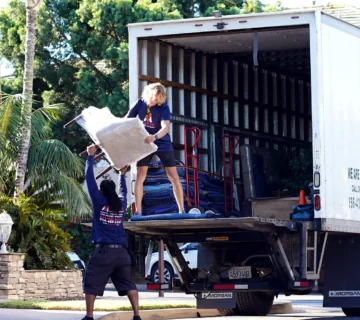
Moving day involves open doors, heavy furniture, equipment, vehicle movement and workers carrying items with limited visibility. Children and pets should not play, wait or move through those areas.
Whenever possible, arrange care with a trusted adult at another location. If children must remain at the property, assign one adult whose primary responsibility is supervision and choose a closed, safe area away from entrances and carrying routes. This person should not also be responsible for directing the crew.
Keep them away from the truck, ramp or liftgate, dollies, tools, stacked cartons, doors, stairs and all paths between the rooms and the vehicle.
Adjust the Family Plan to the Transportation Schedule
Local Moving
Plan supervision, school pickup, meals, keys and the first-night setup while the household moves between San Diego properties.
Local moving services →Long-Distance Moving
Keep travel documents, medication, several changes of clothing, chargers and essentials with the family for the written delivery plan.
Long-distance moving →Air Travel
Review current airline, identification, baggage, car-seat and medication requirements directly with the airline and applicable authorities.
Road Travel
Plan appropriate stops, lodging, food, weather checks and secure space for the essentials that should not enter the moving shipment.
Do not base the family schedule on an assumed delivery time. Confirm the estimated delivery arrangement in writing and maintain current contact information for the customer and receiving adult.
Update Family Accounts Without Packing Important Records
Create a private address-change list for schools, childcare, healthcare providers, insurance, employers, financial accounts, subscriptions and government records. Use official websites and retain confirmations. Mail forwarding does not replace notifying every organization directly.
USPS offers individual and family change-of-address options. A family request generally applies when everyone moving has the same last name; review the current instructions for different names or special circumstances.

Restore the Most Important Family Routines First
The whole home does not need to be finished immediately. Begin with safe sleeping arrangements, bathroom supplies, medication, basic food, school necessities and the child’s familiar comfort items. Confirm that doors, windows, gates, alarms and outdoor areas are appropriate before children explore without close supervision.


Separate What the Family Needs Before Final Delivery
Closing delays, renovation, temporary housing and long-distance timing can place part of the household in storage. Decide what each child needs during the interim period before the storage shipment is packed.
Label storage cartons with the room, general contents and priority on more than one side. Keep school supplies, medical equipment, seasonal clothing needed soon, comfort objects and travel essentials outside storage unless the delivery plan specifically makes them accessible.
Complete These Tasks Before Moving Day
Connect the Family Plan to the Complete Move
Local Moving San Diego
House, apartment, condo and furniture-only moves planned around inventory and access.
View local moving →Packing Services
Full, partial or selected-room packing and eligible furniture preparation.
View packing services →Long-Distance Moving
Transportation planning, packing, storage and delivery for qualifying routes.
View long-distance moving →Moving and Storage
Coordinated pickup, mover-managed warehouse storage and scheduled delivery.
View moving and storage →Frequently Asked Questions About Moving With Kids
When should I tell my children that we are moving?
How can children safely participate in the move?
Should children be home while the movers work?
What should go in a child’s moving essentials bag?
How should I pack a child’s bedroom?
How do I transfer my child to a new school?
What if my child is upset about moving?
How is a long-distance move different for children?
What should we unpack first at the new home?
Can packing services help families with children?
What if our new home is not ready?
Is this guide medical, school or childcare advice?
Request a San Diego Family Moving Quote
Tell Vector Moving and Storage about the addresses, inventory, desired date, access, packing, storage, additional stops and specialty belongings. Keep child supervision, transportation and personal essentials as a separate part of the family plan.







No comment