
Both office and home owners use storage units to store their papers, books and other items.
<
What You Should Not Put in a Storage Unit or Moving Vault
What cannot be stored in a storage unit depends on the written rental agreement, facility rules, item condition, applicable law, transportation requirements, and the type of storage being used. Hazardous materials, leaking or unidentified products, perishables, living things, contaminated contents, and items creating fire, health, pest, or access risks should not be placed into ordinary storage without proper authorization and handling.
Vector Moving and Storage provides mover-managed warehouse storage for eligible household and business contents. The exact acceptance decision belongs to the written storage plan. Customers should identify questionable items before packing—not after a box, appliance, or moving vault has been loaded.

What Cannot Be Stored in a Storage Unit? Use Three Decisions
A short internet list cannot replace the specific storage agreement. Use the categories below to organize questions before pickup, then obtain a final answer from the facility or Vector office.
Clear Fire, Health, Pest or Contamination Risks
Fuel, propane, fireworks, many solvents and chemicals, active leaks, unknown products, perishable food, live animals, wet or contaminated belongings, damaged batteries, illegal property, and other expressly prohibited contents.
Items Requiring Policy or Specialist Review
Intact battery-powered devices, e-bikes, plants, firearms or ammunition, cylinders, safes, vehicles, wine, artwork, sensitive electronics, large appliances, medical items, and commercial inventory.
Critical Belongings You May Need Immediately
Medication, identification, passports, keys, cash, jewelry, financial and legal records, security credentials, irreplaceable photographs, chargers, daily essentials, and urgent work equipment.
Storage Item Eligibility Planner
This planner provides a conservative next step. It does not approve an item, interpret the law, override the storage agreement, or authorize hazardous-material transportation.
Suggested Next Step
Potentially suitable after written confirmationOrdinary clean and dry household goods may be suitable when properly packed, labeled and accepted under the written storage plan.
Traditional Self-Storage Versus Vector Warehouse Storage
Traditional self-storage usually gives the customer a specific walk-in unit and routine access during the facility’s permitted hours. The customer commonly controls the lock, transportation, loading, organization, and later removal.
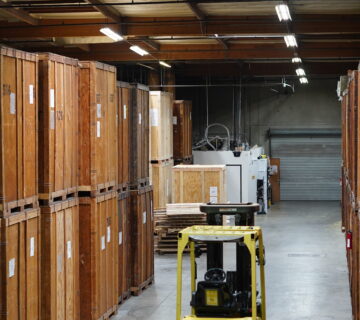
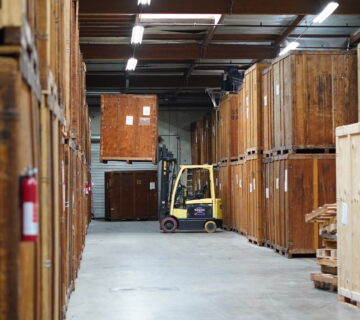
Vector mover-managed warehouse storage can coordinate pickup, furniture preparation, transportation, placement into wooden moving vaults, scheduled access or partial retrieval, and final delivery. It is designed around professional handling—not unsupervised visits to a personal unit.

Fire, Health, Pest and Contamination Risks
Hazardous, Flammable or Reactive Products
Gasoline, propane, lighter fluid, fireworks, solvents, paint thinner, many pesticides, pool chemicals, corrosives, acids, drain cleaners, automotive products, unknown chemicals and other prohibited materials.
Perishable or Pest-Attracting Food
Refrigerated or frozen food, produce, open packages, damaged containers, products likely to leak or ferment, and food that can create odor or attract insects or rodents.
Leaking, Corroded or Unidentified Containers
An active leak, missing label, swollen bottle, corroded container or unknown liquid should not be hidden inside a tote, appliance, cabinet or moving box.
Wet, Moldy, Pest-Affected or Contaminated Contents
Water-saturated furniture, damp cartons, sewage exposure, bedbugs, active mold, chemical contamination, bodily fluids or strong unidentified odors may require treatment and clearance first.
Live Animals and Unapproved Living Items
Pets and live animals should never enter ordinary storage. Plants, soil, seeds and agricultural items require provider and route review.
Illegal, Stolen or Unlawfully Possessed Property
No storage agreement authorizes illegal property. Ownership, possession, transportation and storage must comply with applicable law.
Separate Kitchen, Toiletry, Laundry and Cleaning Categories
Do not place every liquid into one “bathroom” or “kitchen” box. Cooking oil, sauces, shampoo, detergent, bleach, drain cleaner, aerosol products and automotive fluids have different ingredients and storage risks.
Storage periods can amplify a small leak. A product that might be considered for a direct local move may still be unsuitable for weeks or months inside a warehouse vault.

Disclose the Battery Type, Device and Condition
Battery-powered tools, e-bikes, e-scooters, mobility devices, lawn equipment, backup power stations, loose batteries and chargers should not be treated as ordinary boxes. Acceptance can depend on battery chemistry, watt-hour rating, condition, recall status, device protection, storage duration and transportation rules.

Wet, Moldy, Pest-Affected or Contaminated Items Need Another Plan
Ordinary storage can spread a condition from one item to neighboring contents. Water-saturated furniture, damp cartons, active mold, bedbugs or other infestation, sewage exposure, smoke residue, chemicals, bodily fluids and unexplained odors may require drying, remediation, treatment, environmental assessment or disposal before the mover can consider them.
Do not wrap a wet item in plastic and place it into a vault. Plastic can conceal the condition and trap moisture. Describe the event, affected materials, treatment performed, drying status and any professional clearance before requesting storage.

Policy, Legal, Environmental or Specialty Review
Firearms, Ammunition and Regulated Weapons
Do not assume every legal item is accepted. Confirm applicable law, facility policy, transportation, security, access, documentation and insurance requirements. Never conceal or inaccurately label the item.
Cylinders, Oxygen and Pressurized Products
Propane and many compressed or medical-gas cylinders require separate handling or are prohibited. The contents, pressure, condition and provider rules matter.
Vehicles, Boats, Motorcycles and Machinery
Traditional vehicle storage may require registration, insurance, operability, fuel limits, no leaks and an approved space. Vector moving vaults are not general vehicle-storage units.
Plants, Soil and Agricultural Items
Darkness, water, temperature, pests, route restrictions and facility policy can make plants or soil unsuitable for storage.
Wine, Fine Art and Sensitive Property
Temperature, humidity, condensation, vibration, value and packing requirements should be confirmed. Do not assume environmental control unless it is written into the agreement.
Commercial and Regulated Inventory
Medical goods, chemicals, food, powered devices, customer property, confidential records, high-value stock and regulated products may need separate vendors or procedures.
Personal Control Is Different From Storage Eligibility
Some belongings are not inherently hazardous, but warehouse storage is still the wrong place because access is scheduled and the item may be needed without warning.
Medication and Medical Essentials
Prescription medication, regularly needed medical devices, eyeglasses, hearing aids and supplies required before final delivery.
Identification and Critical Records
Passports, licenses, birth certificates, financial papers, closing documents, estate records, insurance files and legal documents.
Keys, Cash, Jewelry and Security Credentials
House and vehicle keys, access cards, alarm credentials, cash, jewelry, small valuables and items difficult to replace.
Immediate Work, Child and Pet Needs
Chargers, computers needed immediately, uniforms, school materials, pet medication, food, carriers and temporary-housing essentials.
Prepare Belongings for the Entire Storage Period
Approval is only the first step. Household and business contents should be clean, dry, stable, appropriately packed, labeled and documented for warehouse handling and later delivery.
Furniture preparation can include moving blankets, stretch wrap, mattress protection, corner protection, eligible standard disassembly and labeled hardware, depending on the item and written service.

Space Does Not Override Storage Restrictions
Each Vector moving vault is approximately 5 feet wide × 7 feet long × 7.5 feet high.
These are gross mathematical measurements—not guaranteed usable capacity. The vault structure, protective materials, furniture shape, fragile pieces, safe stacking and door opening affect the practical capacity.
Tell the Office About Questionable Items Before Dispatch
A complete storage estimate should identify the pickup address, rooms, furniture, boxes, appliances, garage and patio contents, business inventory, storage duration, expected access, final destination and any item requiring approval.

Interactive Restricted-Item Review Checklist
Use this checklist in your browser. It does not submit information or confirm acceptance.
Do Not Move a Hazard Into Storage Simply to Get It Out of the House
Follow product labels and current local instructions. Do not pour hazardous products onto the ground, into storm drains, down household drains, or into ordinary trash when prohibited. Never mix leftover chemicals.
Household Hazardous Waste
Paints, cleaners, oils, batteries and pesticides can contain hazardous ingredients. EPA recommends retaining original labels and using local management options.
EPA household hazardous waste →San Diego Disposal Appointments
The City of San Diego provides current information about appointment-based household hazardous-waste drop-off, batteries, paint, propane and medications.
City of San Diego HHW resources →Batteries and Recalled Devices
Use qualified battery-recycling and manufacturer or recall instructions. Damaged and recalled lithium batteries require heightened caution.
PHMSA battery information →Connect Storage Eligibility to Packing, Moving and Delivery
Items Movers Cannot Transport
Compare moving-day transportation restrictions with the additional concerns that apply during storage.
Items movers cannot transport →Moving and Storage
Review pickup, furniture preparation, mover-managed warehouse storage, scheduled access and final delivery.
Moving and warehouse storage →Moving Vault Size Guide
Compare common self-storage dimensions with Vector’s 5 × 7 × 7.5-foot moving vaults.
Moving-vault size guide →Liquid Packing Guide
Sort ordinary liquids from cleaners, hazardous products, customer-carried items and storage-restricted contents.
How to pack liquids for moving →Decluttering Guide
Decide what moves, sells, donates, disposes, remains personally controlled or enters storage.
How to declutter before moving →Renovation Storage
Plan furniture removal, moving vaults, scheduled retrieval and staged return during construction.
Storage during home renovation →Frequently Asked Questions
What cannot be stored in a storage unit?
What cannot be placed in a Vector moving vault?
Can food be stored in a storage unit?
Can sealed canned food go into storage?
Can liquids be placed in warehouse storage?
Can paint or cleaning products go into storage?
Can propane tanks be stored?
Can lithium batteries go into a storage unit?
Can an e-bike or electric scooter be stored?
Can plants be stored in a storage unit?
Can firearms or ammunition be stored?
Can a vehicle be stored without registration?
Can wet or mold-affected furniture enter storage?
Can wine, artwork or instruments be placed in warehouse storage?
Should medication and documents go into storage?
Is Vector warehouse storage climate-controlled?
Can I retrieve a questionable item after it enters storage?
What should I do with hazardous products before moving day?
Store Only What Can Be Handled and Delivered Under the Written Plan
The storage inventory should identify which approved items return to the home, office, family member, another address or staged delivery. Keep matching furniture parts and hardware together and update the office when the destination, access or inventory changes.
At delivery, compare the shipment with the inventory, direct approved belongings by room, review eligible reassembly, complete the truck and property walkthrough, and preserve relevant packaging when damage is discovered.

Request a Moving and Storage Inventory Review
Tell Vector Moving and Storage about the pickup address, furniture, boxes, appliances, garage or business contents, storage duration, access expectations, final destination and every item involving food, liquids, chemicals, batteries, plants, cylinders, firearms, contamination or environmental sensitivity.
San Diego Movers San Francisco Movers
San Jose Movers Los Angeles Movers
These units can also help arrange their essential things for freeing up the space in their home. However, not all objects can be stored in a storage facility.
If you rent a storage unit, you should know what is not allowed to keep in those units. Your knowledge about this can prevent you from experiencing any trouble. Here are some of those items that you can not keep in a storage facility.
- Weapons – The typical examples of these are guns, knives, bows, arrows, hunting rifles and a lot more. These prohibited items can put you or other people in a critical condition. Though you know how to use these weapons, you are still not allowed to keep them in your storage unit.
- Perishable Items Some people keep on storing foods on their storage unit. Then, after several days, they have just realized that the foods they have stored are already expired. The common examples of these are fruits and other fresh items. Once these items get decayed, they can cause several health issues. So, you better watch out for these perishable items.
- Inflammable Products –Kerosene, fertilizers, motor oils, fireworks and acids are extremely dangerous. This is the reason why most companies restrict their employees to store these items in their storage units. These items are not only harmful for the owner, but to the entire facility as well.
- Unregistered Vehicles – Some big companies prefer to store several vehicles like boats, cars, snowmobiles, farm equipment and motorbikes. If you are planning to store these vehicles, make sure that they are fully insured.
- Aerosols – These items are extremely dangerous to all. If your company prohibits storing the item, make sure that you abide by the rules. If not, your condition will be at stake.
Though you are restricted to store items in your safety units, it doesn’t mean that you will experience inconvenience. These units are perfect for storing several items. The main purpose of these restrictions is to keep you safe. With your knowledge about this topic, you will be guided on what to do. If you own a huge company, you have to inform your employees about these restricted items. This can help you have a smooth and safe working environment. These restricted items are not only applicable for huge companies. They should also be observed by home owners and other small agencies.
If you keep on ignoring these dangerous items, that may cause a negative result. Say for instance, if you keep on storing weapons, these items may cause harmful conditions. If one of your employees got these weapons, he may harm other workers.
Whether you have a small or big storage unit, you have to follow the regulations to secure your condition. So, make sure that you avoid storing these items in your place. Through accurate storage of your items, you and other people around the vicinity will be in good hands.
VECTOR Moving San Diego https://www.vectormoving.com/