

How to Choose a Moving Company in San Diego: 12 Checks Before Booking
Learning how to choose a moving company in San Diego takes more than comparing star ratings or hourly rates. The business identity, state authority, inventory, access conditions, written estimate, services, valuation and contract should all describe the same move.
This practical guide shows what to verify, which questions to ask and how to compare proposals fairly before signing or paying a deposit.

First Identify What Kind of Move You Are Planning
A local move across San Diego, a move from San Diego to another California city and a move across a state line do not use exactly the same planning or regulatory framework. Identify the origin, destination, property type and service needs before comparing companies.
San Diego Local Move
For a home, apartment or condo move within the area, compare crew time, truck and travel charges, protection, stairs, elevators, long carries, materials and building requirements.
Explore local moving services →Move Within California
California household movers fall under state oversight. Verify the business through the Bureau of Household Goods and Services and review the written estimate requirements for the move.
California consumer information →Interstate Move
A move crossing state lines adds federal registration, carrier-versus-broker and delivery-window questions. Use Vector’s separate interstate selection guide for that search intent.
Choose a long-distance mover →Give Every Moving Company the Same Description of the Job
Two quotes are not comparable if one estimator saw the garage, packed closets and difficult staircase while another received only a bedroom count. Create one master inventory and one access summary, then give the same information to every company.
Include furniture, estimated cartons, storage areas, outdoor items, appliances, fragile or oversized pieces, packing responsibility and anything that is not moving. Show both properties when possible and update each company if the shipment changes.

Complete These 12 Checks Before Booking San Diego Movers
Use the same sequence for every company. It keeps a polished sales presentation from distracting you from the facts that will govern the move.
Identify the Legal Business
Record the company’s legal name, physical address, telephone number and website. Confirm that the estimate comes from the same business you researched.
Verify California Authority
Use California’s official household-mover lookup. Match the business information and permit details to the company’s written documents before booking.
Request a Detailed Survey
Use an in-home or thorough virtual walkthrough when appropriate. Show closets, stairs, garage contents, specialty items and the route between the home and truck.
Review the Written Estimate
Check the customer name, addresses, dates, inventory, crew or service basis and every included charge. Ask for corrections before signing.
Understand the Price Basis
Ask whether the move is priced by time, shipment characteristics or another permitted method. Learn when time begins and ends and how travel is handled.
Compare Equal Services
Confirm labor, truck, travel, fuel, furniture protection, disassembly, reassembly, materials, packing, storage and additional stops.
Disclose Access Conditions
Document stairs, elevators, long carries, gates, narrow streets, parking restrictions, loading docks and vehicle-clearance limits at both properties.
Confirm Property Protection
Ask how the crew protects furniture, floors, doors, railings and elevators, and which materials or services are included in the estimate.
Review Valuation Options
Valuation concerns the mover’s contractual responsibility for loss or damage. Read the available selections, exclusions, declared-value rules and claim process.
Check Packing and Storage Terms
Separate carton packing, unpacking, custom handling, warehouse handling, storage duration, access and return-delivery charges.
Read Payment and Cancellation Rules
Confirm deposits, accepted payment methods, timing, cancellation deadlines and refund terms in writing—not only over the phone.
Evaluate the Full Record
Use reviews as one signal alongside verified identity, authority, written answers, complaint patterns and the quality of the estimate and contract.
The Lowest Hourly Rate Is Not Always the Lowest Moving Cost
An hourly rate is only one part of a local moving estimate. Crew size, travel time, minimums, materials, stairs, elevators, long carries, packing, storage, difficult truck access and the amount of furniture preparation can affect the final job. A company quoting a different crew, fewer services or incomplete inventory is not necessarily offering the same move.
Ask each estimator to explain the assumptions behind the amount. If one proposal is unusually low, compare the inventory and exclusions line by line before assuming it represents better value.
How many movers and vehicles are included?
When does billable time begin and end?
How are travel time or related charges handled?
Which boxes, wrap and protection are included?
How do stairs, elevators or long carries affect scope?
How must added items or services be documented?
Use One Worksheet to Compare Written Moving Estimates
Place every proposal beside the same checklist. Do not compare only the largest printed number.
| Comparison item | Company A | Company B | Company C |
|---|---|---|---|
| Legal identity and permit | Name and number | Name and number | Name and number |
| Survey and inventory | Method and date | Method and date | Method and date |
| Crew, truck and time basis | Written scope | Written scope | Written scope |
| Included protection and labor | List inclusions | List inclusions | List inclusions |
| Possible additions | Rates or method | Rates or method | Rates or method |
| Packing and storage | Scope and terms | Scope and terms | Scope and terms |
| Valuation selection | Option and cost | Option and cost | Option and cost |
| Payment and cancellation | Written terms | Written terms | Written terms |

Discuss San Diego Access Before Moving Day
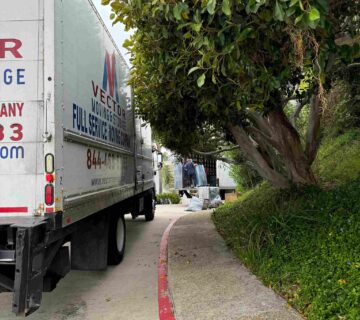
Parking and building access can change the labor plan even when two homes are close on a map. Downtown high-rises may require freight-elevator reservations and certificates of insurance. Coastal, hillside or older neighborhoods may have narrow approaches, limited curb space, gates, stairs or long carries.
Give the estimator photographs, measurements or building instructions when something is unusual. Confirm who reserves the elevator or loading dock and where the truck can legally stand. If the destination is outside San Diego, repeat the same access review there.
Compare Packing, Storage and Specialty Handling Separately
A full-service proposal and a transportation-only proposal should not be judged as if they include identical work. Decide what you will pack, what the mover will pack and whether cartons, fragile items, artwork, gym equipment or other specialty belongings need separate planning.
If storage may be needed, confirm whether it is storage during an active move or planned short-term storage. Ask about handling, duration, scheduled access, partial retrieval and final-delivery terms before pickup.

Watch for These Moving-Company Red Flags
No single detail proves that a mover is unreliable. A pattern of identity problems, missing documents, pressure or inconsistent explanations should prompt further verification before you sign or pay.
Check current state information through the California household-mover lookup. For an interstate move, also use FMCSA’s Registered Mover Search.
Ask These Final Questions and Save the Answers
Name, address, telephone number and permit details.
Save the exact version used for the estimate.
Labor, truck, travel, protection and materials.
Access, changes, packing, storage and special handling.
Understand the rate, minimums and written limits.
Ask for the required written process.
Furniture, floors, doors, railings and elevators.
Option, exclusions, declared items and cost.
Notice method, documentation and deadlines.
Deposit, accepted methods and final balance.
Deadlines, fees and refund conditions.
Know how questions and changes are handled.
Request a Detailed Estimate From Vector Moving and Storage
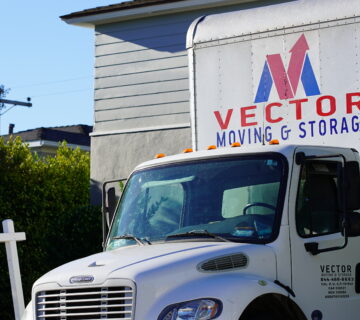
When comparing Vector with other San Diego movers, provide the complete inventory, both addresses, access restrictions, packing needs, storage requirements, timing and specialty items. The goal is a written scope based on the actual job—not a generic promise.
Vector publishes its California and federal identifying numbers and maintains a public Better Business Bureau profile. Customers should still review the estimate, service terms and applicable consumer information for their specific move.

Continue Planning Your San Diego Move
Local Moving Services
Review residential moving support for homes, apartments and condos across San Diego.
View local moving →Long-Distance Mover Guide
For interstate moves, review federal registration, carrier-versus-broker questions and delivery terms.
Read the long-distance guide →Moving Cost Guide
Learn which inventory, access, labor, packing and scheduling factors can affect moving cost.
Review moving-cost factors →Items Movers Cannot Transport
Prepare hazardous, restricted, perishable and personal essentials before moving day.
Review restricted items →Frequently Asked Questions
How many San Diego moving estimates should I request?
How do I verify a California moving company?
Should I automatically choose the lowest hourly rate?
What should a mover see before estimating my move?
What is a California Not-to-Exceed price?
Does a local mover need to visit my home?
Is moving valuation the same as insurance?
What building information should I give the mover?
How should I use online reviews?
What documents should I keep?
When should I pause before booking?
How do I choose a moving company in San Diego for an interstate move?
Request a Detailed San Diego Moving Quote
Tell Vector Moving and Storage about the complete inventory, both properties, access, packing, storage, preferred timing and specialty items. A complete description gives the team a stronger foundation for the written estimate and moving plan.








No comment