

Top 5 Moving Mistakes to Avoid Before Moving Day
The most expensive or disruptive moving mistakes often happen before the truck arrives. An incomplete inventory, an estimate based on missing details, unfinished packing, unconfirmed building access or unread moving documents can change the crew, schedule, services and charges.
This guide explains five moving mistakes to avoid and shows what to do instead. It applies to local household moves, apartment and condominium relocations, moves involving storage, and qualifying long-distance shipments—with additional official resources where California and interstate requirements differ.

Small Planning Gaps Can Change the Entire Move
Moving plans depend on connected details. The number of rooms helps describe the home, but it does not reveal a distant loading area, several flights of stairs, a full garage, a restricted elevator, an oversized stone table or a second delivery stop. When one of those details is missing, the recommended crew, truck, equipment, time and written scope may no longer match the actual job.
Not every problem can be predicted. Weather, traffic, building delays and changing property conditions may still affect the day. The goal is to eliminate preventable surprises by describing the real move, confirming responsibilities and keeping important decisions in writing.
Before the Estimate
Create the inventory and collect access information for every pickup, delivery and storage location.
Before Moving Day
Finish the agreed customer preparation and reconfirm building, parking, packing and destination access.
Before Signing
Read the services, rates, valuation selection, dates or windows, inventory and change procedures.
Choosing a Mover Based Only on the Lowest Estimate
A lower estimate does not automatically represent the same service. One company may be quoting only transportation while another includes packing, storage, an additional stop or a different crew. The inventories may not match, and the companies may be using different rate methods or transportation arrangements.
Before comparing totals, place the estimates side by side and confirm that each one uses the same addresses, inventory, access, packing scope, dates, storage requirements and requested services. Identify the company responsible for the shipment and verify its authority through the applicable regulator.
- Legal company name and contact information
- California or federal operating authority
- Complete pickup and delivery addresses
- Inventory used to prepare the estimate
- Stairs, elevators and walking distance
- Packing, storage and additional stops
- Rate basis and listed charges
- Payment, cancellation and change terms

Verify the actual moving company, written scope and credentials before comparing totals.
What a Useful Moving Estimate Should Be Based On
A useful estimate begins with the belongings and properties—not a generic online average. Walk through the entire home, including closets, garage, patio, attic, storage cage and detached areas. Identify furniture that may need disassembly, heavy or fragile construction, belongings already in storage and anything going to a different destination.
For California household moves, the Bureau of Household Goods and Services publishes current consumer information about written estimates, required documents, the Not-to-Exceed price and authorized movers. Review the current BHGS Household Movers Information rather than relying on an old blog summary.
Same Inventory
Each company should be reviewing the same furniture, approximate cartons and unusual pieces.
Same Access
Include parking, stairs, elevators, gates, garage clearance and the distance from rooms to the truck.
Same Services
Compare the same packing, storage, transportation, additional-stop and delivery arrangement.

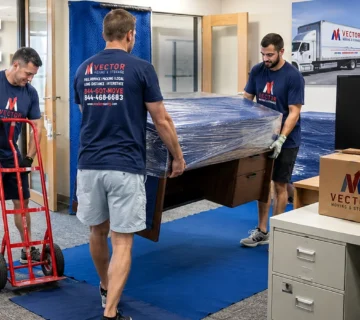
Property access can change the moving plan even when the inventory remains the same.
Providing an Incomplete Inventory or Missing Access Details
Customers sometimes mention the bedrooms but forget the garage, balcony, storage unit, home office, exercise equipment or outdoor furniture. Other surprises appear when the closest curb cannot be used, the elevator was not reserved, or the truck does not fit in the garage.
Describe every origin, destination and additional stop. Walk the route from the farthest room to the nearest lawful truck position. Send photographs or video when a steep driveway, narrow gate, long hallway, several stair flights or unusual furniture is difficult to explain.
Inventory and Access Details to Disclose Before Moving Day
Heavy or Unusual Items
Pianos, safes, stone furniture, large glass, antiques, exercise equipment, adjustable beds and custom pieces may need measurements or specialist review.
Complete Carrying Route
Exterior stairs, elevators, long hallways, courtyards, ramps, gates, slopes, garage height and distant parking all matter.
All Destinations
Storage units, donations, family homes and multiple deliveries should appear in the move sequence before the truck is loaded.
Customers planning a San Diego move can use Vector’s parking, building access and storage guide for a more detailed property checklist. The local moving services page explains how those conditions affect residential planning.
Waiting Until the Last Minute to Pack
Unfinished packing can delay loading, block the carrying route and make it difficult to distinguish what is moving from what is staying. Open cartons, loose belongings and last-minute sorting also increase the chance that documents, keys, medication or prohibited items are placed in the shipment.
Start according to the actual inventory rather than one universal timetable. A small organized apartment may need less lead time than a home with a large kitchen, several closets, a garage and fragile collections. If the schedule becomes unrealistic, reduce the self-packing scope or arrange partial or full packing assistance.
Box Weight Should Match the Box and Contents
There is no single ideal weight for every carton. Use small sturdy boxes for books and other dense items, larger cartons for light bulky goods, and appropriate protection for fragile contents. A box should close securely, remain structurally sound and be reasonably handled without unsafe lifting.
Vector’s one-day apartment packing guide provides a room-by-room sequence, while the packing services page explains full and partial help.

Customer-packed cartons and mover-prepared furniture should be clearly separated in the plan.
How to Prevent Packing Problems on Moving Day
Finish the Agreed Scope
If the customer is self-packing, ordinary household contents should be in closed, labeled cartons before the crew arrives. Confirm any exceptions.
Label by Destination
Mark the room, general contents and handling note. Use separate labels for storage, additional stops and belongings that should not be loaded.
Keep Essentials With You
Separate identification, medication, keys, cash, jewelry, financial records, irreplaceable documents and urgent electronics.

Building rules and the complete carrying route should be confirmed before the truck arrives.
Ignoring Parking, Elevators and Building Requirements
An apartment or condominium may require a reserved service elevator, approved loading entrance, certificate of insurance, security check-in, move deposit, common-area protection or limited moving hours. A house can still have a steep driveway, narrow street, gate, low branches or a long carry from the lawful truck location.
Contact both properties before confirming the final schedule. Obtain written instructions and send certificate wording or additional-insured requirements to the moving office early. Confirm who can unlock the dock or elevator and what happens if another resident or vendor blocks the approved area.
- Approved dates and moving hours
- Elevator reservation and dimensions
- Loading dock or truck location
- Garage height and turning clearance
- Certificate-of-insurance wording
- Gate, key and security procedures
- Floor, wall and elevator protection
- Day-of property contact
Verify the Lawful Truck Position at Every Address
An open curb during the estimate does not guarantee that the same space will be available or legal on moving day. Review posted signs, curb restrictions, meters, street sweeping, fire lanes, alleys, private-property rules and temporary notices. Ask the responsible city or property manager when public or private access is unclear.
The truck position affects walking distance, equipment and time. Give the moving company the approved location and photographs of the complete route. Recheck the area shortly before the move because construction, events, road closures or temporary parking restrictions can change.
Public Street
Follow current signs and contact the authority responsible for any permit or public right-of-way question.
Private Property
Get authorization for loading zones, garages, fire-lane restrictions and commercial-vehicle access.
Backup Plan
Identify an alternative lawful position and tell the mover if it creates additional distance, stairs or elevator use.
Signing Without Reviewing Services, Valuation and Changes
Moving documents should describe the responsible company, addresses, inventory, services, rate basis, valuation selection, dates or windows, payment terms and applicable change procedure. Read them before signing and keep copies that remain accessible during the move.
Valuation protection and insurance are not automatically the same thing. The available options and terminology depend on the type of move and applicable rules. Do not rely on a general blog statement or verbal explanation when selecting protection. Review the actual written option, declare items when required and ask questions before the shipment is loaded.
Photograph the condition of important furniture and belongings before the move. Report concerns promptly and follow the written claims instructions and deadlines in the applicable documents.

Document condition, keep copies and review the written protection selected for the move.
California and Interstate Moving Documents
For a household move performed entirely within California, review current information from the Bureau of Household Goods and Services. Its consumer page discusses authorized movers, written documents, the Not-to-Exceed price, customer-requested changes and available protection choices.
For an interstate household move, use FMCSA Protect Your Move to verify federal registration and review consumer rights, estimates, brokers, inventories, bills of lading, delivery and claims information. Interstate procedures should not be assumed to be identical to a California intrastate move.
Verify the Mover
Match the company name and authority information to the business named in your moving documents.
Read the Inventory
Confirm that the described shipment and services match what you expect the company to handle.
Retain Every Copy
Keep estimates, agreements, inventories, receipts, photographs and written updates together.
Confirm These Details Before the Crew Arrives
Complete one final review two or three days before the move, or as early as practical when the building or route requires more coordination.
- Date, arrival window and contact numbers
- Inventory changes and new furniture
- Every pickup, delivery and storage address
- Packing status and required materials
- Elevator, dock, gate and parking access
- Specialty, heavy or fragile items
- Documents and payment method
- Valuables and essentials traveling with you
- Children and pet safety plan
- Final walkthrough responsibilities
How the Five Moving Mistakes Connect
A missing inventory item can make two estimates impossible to compare. Incomplete building access can change the crew or timing. Late packing can delay an elevator window. Unread documents can leave a customer unclear about changes, storage, valuation or delivery.
The solution is one coordinated scope: inventory, addresses, access, packing, storage, dates and documents reviewed together. When something changes, tell the moving office before moving day and obtain the applicable written update.
Scope
What is moving, where it is going and which services are included.
Access
How the crew and truck reach the belongings at every location.
Agreement
How the selected scope, rates, protection and changes are documented.
Moving Mistakes to Avoid: Frequently Asked Questions
Should I automatically choose the lowest moving estimate?
What information is most often forgotten during an estimate?
How early should I begin packing?
Is there one correct maximum weight for every moving box?
Do apartment moves require an elevator reservation?
Is valuation protection the same as moving insurance?
What should stay with me instead of going on the truck?
What should I do if the inventory or access changes?
Request a Quote Based on Complete Information
Vector Moving and Storage coordinates local and qualifying long-distance moves, packing, furniture preparation, moving and storage, and commercial relocation. Share the full inventory, addresses, access, packing needs, specialty items, building rules, storage and date requirements when requesting a quote.
Avoiding these moving mistakes begins with one accurate scope and clear communication before moving day.
Vector Moving and Storage
Phone: 844-468-6683
Published credentials: CAL-T 191802 · CA 530531 · MC 105580 · DOT 3152229
Planning principle: Inventory, access, packing and documents should describe the same actual move.





No comment