
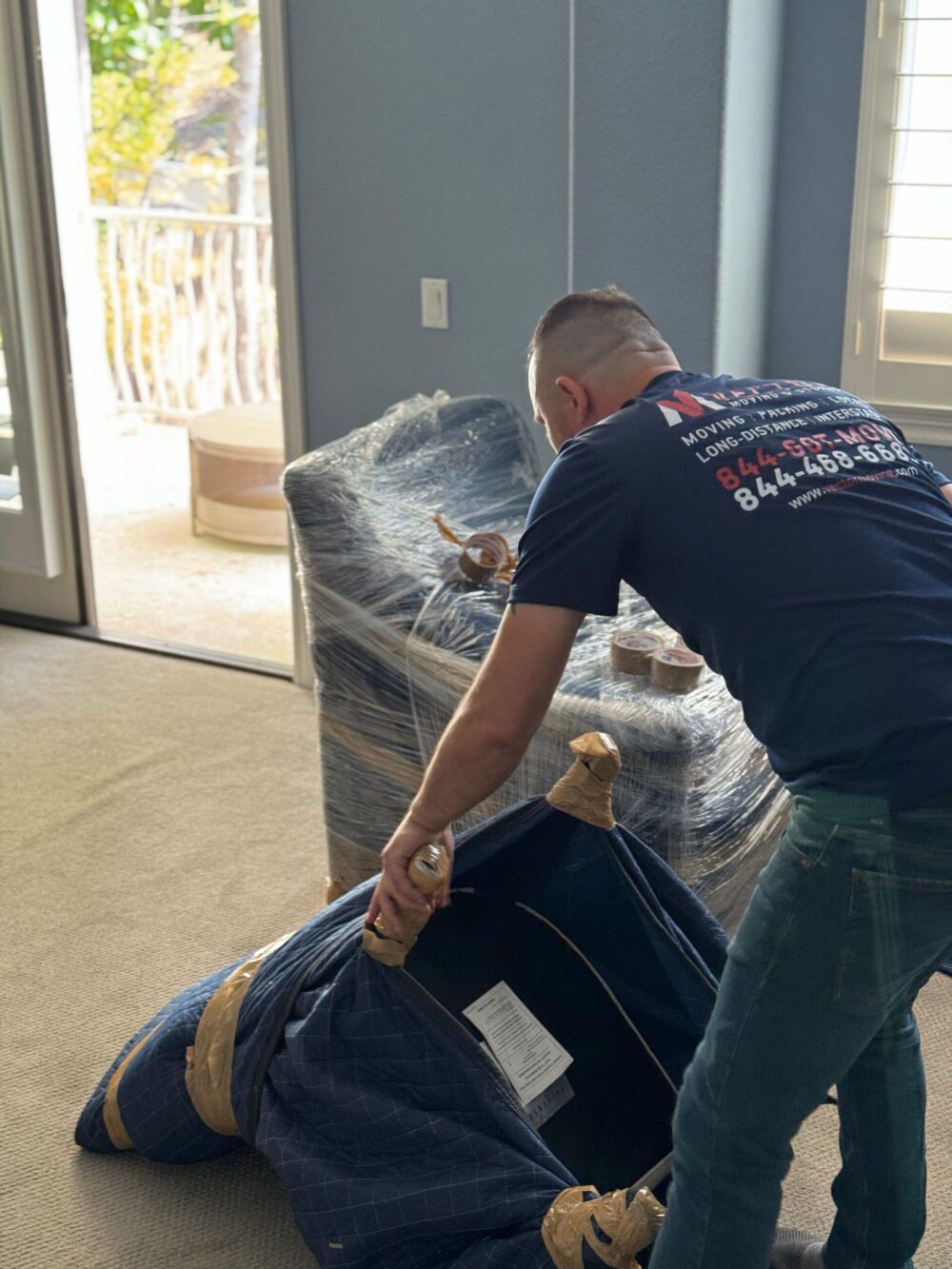
How to Pack an Apartment in One Day: A Practical Hour-by-Hour Plan
Learning how to pack an apartment in one day begins with an honest look at the inventory. A smaller, organized apartment may be packed in a focused day when supplies are ready and decisions are already made. A crowded apartment, large kitchen, home office, fragile collection or unfinished decluttering project may require more time or professional packing help.
This guide gives renters and condominium residents a clear order of work—from the first empty box to the final apartment walkthrough—without promising that every home can be safely packed on the same schedule.

Can You Really Pack an Apartment in One Day?
A one-day packing project is most realistic for a studio or smaller one-bedroom apartment when most belongings are already organized, unwanted items have been removed, and boxes and materials are available before the clock starts. It becomes less realistic when the apartment has dense closets, a large kitchen, extensive books, artwork, fragile décor, a garage or storage cage, children’s belongings, or several years of unsorted possessions.
Do not measure the job only by bedroom count. Two one-bedroom apartments can contain very different inventories. Walk through every closet, cabinet, balcony, bathroom, utility area, storage unit and parking-space locker. If you cannot see the floor, still need to decide what is moving, or have not purchased supplies, treat the day as an emergency preparation day—not a guaranteed full-pack schedule.
Reasonable One-Day Candidate
Smaller inventory, completed decluttering, ready supplies, few fragile collections and no complicated specialty items.
May Need Extra Help
Full kitchen, many books, home office, extensive clothing, storage areas or only one available packer.
Plan More Time
Multiple bedrooms, unfinished sorting, high-value collections, specialty packing or packing and moving on the same day.
Choose the Packing Scope and Prepare the Apartment
Make the main decisions before packing day. Separate belongings into four groups: moving, donating, disposing through an approved method, and carrying personally. Place donation and disposal items outside the packing zone so they are not accidentally boxed.
Confirm whether you are self-packing everything or requesting help with selected rooms. Partial packing can focus on the kitchen, fragile décor, artwork, books or the items that remain unfinished. A broader service should be scheduled according to the real inventory and move date.
- Confirm the destination address and room names
- Remove trash and approved donation items
- Photograph electronics before disconnecting them
- Measure large or unusually fragile pieces
- Set aside documents, medication and valuables
- Create a clear box-building and packing area
- Protect children and pets from the work zone
- Review the building’s move-out requirements

Apartment packing should be coordinated with the building’s loading, elevator and move-window rules.
Gather the Right Apartment Packing Supplies
Stopping repeatedly for boxes or tape can consume the hours reserved for packing. Collect materials beforehand and create one supply station. Choose carton sizes according to contents rather than filling every room with oversized boxes.
Boxes and Containers
Use sturdy small boxes for books, canned goods and dense items; medium cartons for many household contents; and larger cartons for light, bulky items. Wardrobe boxes can keep hanging clothing organized.
Protection Materials
Have clean packing paper, suitable cushioning, dish protection, mattress protection and approved materials for the actual inventory. Furniture preparation may require different materials from carton packing.
Labeling and Tools
Keep quality tape, markers, labels, scissors, resealable hardware bags and a simple inventory sheet together. Avoid leaving sharp tools on floors or furniture.
Generic box estimates are only starting points. A minimalist one-bedroom and a one-bedroom with full bookshelves and a large kitchen will not use the same quantity. Count storage areas and contents, then keep a small reserve of cartons for last-minute items. Vector’s moving-box planning guide can help you build a more detailed starting list.
An Hour-by-Hour Apartment Packing Plan
Use this sequence as a planning framework, not a promise. Adjust the time blocks for the inventory, number of packers and difficulty of the apartment.
Pack the Apartment Room by Room
Opening boxes in every room at once creates clutter and makes it harder to see what is complete. Work in zones, close and label each carton, then move it to a designated finished-box area that does not block hallways, exits or the movers’ route.
Storage and Décor
Start with closets, shelves, seasonal items, wall décor and belongings that will not be needed before the move.
Books and Home Office
Use small cartons for books. Back up computers, label cables and keep sensitive records with you.
Bedrooms and Closets
Pack nonessential clothing first. Separate the clothing, bedding and toiletries needed through the first night.
Living and Dining Areas
Protect décor and small electronics. Leave furniture disassembly or preparation according to the agreed moving scope.
Kitchen
Group similar items, control carton weight and wrap fragile pieces individually with appropriate cushioning.
Bathroom and Daily Essentials
Set aside medication and immediate toiletries, then check opened liquids and ask which items may travel.

Finished cartons should be sealed, safely weighted and kept clear of the main walking route.
Pack the Kitchen, Glassware and Breakables Carefully
Use clean packing paper and suitable cushioning for dishes, glassware and ceramics. Wrap pieces individually, avoid loose movement inside the carton and keep the box weight manageable. Do not mix a heavy appliance with fragile glass simply because space remains.
Plates are often packed on edge with cushioning between groups rather than laid in a flat stack. Glasses and stemware need individual protection and a carton appropriate to the contents. Knives and sharp utensils should be secured so a blade cannot pass through the wrapping or carton.
Liquids, Food and Appliances
Open liquids can leak onto neighboring boxes. Review the mover’s current prohibited-items instructions before packing cleaners, aerosols, alcohol, flammables, chemicals, batteries, perishables or other restricted contents. Defrost, clean and dry eligible appliances according to the manufacturer’s instructions and the moving plan.
Use Faster Methods Without Creating Weak Packages
Clothing
Use wardrobe boxes for hanging garments when available. Folded clothes can go into clean cartons, suitcases or approved reusable bins. Avoid loosely filled garbage bags as the main packing method because they tear, stack poorly and can be mistaken for trash.
Books and Records
Use small cartons and distribute weight evenly. Keep passports, financial records, medical files, legal papers and irreplaceable documents with you rather than placing them in an ordinary household box.
Electronics
Back up important data, photograph cable connections and place labeled cables with the correct device. Original packaging may help when it is complete and in good condition; otherwise use suitable cartons and protection.
Label Every Box for the Destination
A useful label answers three questions: where does the carton go, what general category is inside, and does it require special handling? Write labels on more than one side so they remain visible when boxes are stacked.
- Destination room name
- General contents description
- Fragile or orientation note when applicable
- Box number for a simple inventory
- Storage or delivery designation
- Priority such as “open first”
Avoid writing valuable contents in large detail on the outside. Use a private numbered inventory for electronics, collections and important boxes. If the move includes storage or several destinations, use a clear color or code system and tell the crew what each code means.

Consistent room labels help cartons and reusable bins reach the correct destination area.
Coordinate the Building Before Moving Day
Packing the unit is only one part of an apartment move. Contact management before the date and obtain the instructions in writing. A building may require a service-elevator reservation, approved move window, certificate of insurance, loading-area appointment, refundable deposit, garage-clearance check or common-area protection.
Elevator and Hallways
Confirm the reserved time, elevator dimensions, access route and who can unlock or place the elevator in service mode.
Truck and Parking Access
Identify the nearest lawful truck position, loading entrance, garage limitations and walking distance. A convenient curb is not automatically reserved.
Keys, Gates and Management
Collect gate codes, loading-dock instructions and the day-of contact. Return building keys, parking permits and elevator pads according to the property’s procedure.
Share these details when requesting a quote because stairs, long hallways, elevators and restricted hours can change the crew and schedule. Vector’s San Diego local moving page explains additional apartment and condominium planning considerations.

Doorways and common carrying routes may require protection under the building’s rules.
Prepare an Essentials Kit and Personal-Items Plan
Before the first carton is sealed, designate luggage, a personal document bag and an “open first” container. Keep identification, medication, keys, payment methods, jewelry, financial records, legal documents, irreplaceable photographs and urgent electronics under your control.
- Medication and medical necessities
- Identification and lease documents
- Keys, access cards and garage remotes
- Phone, laptop and chargers
- Clothing and toiletries for the first night
- Basic cleaning supplies kept separately
- Children’s and pet necessities
- Water, snacks and simple utensils
Ask the moving company what it will not transport before you finish packing. Do not conceal restricted, hazardous, leaking or perishable items inside ordinary cartons. For interstate household moves, consumers can also review FMCSA Protect Your Move; California customers can review the state’s household mover information.
Should You Pack and Move on the Same Day?
Packing and moving on the same day can work for a small, simple inventory when the packing scope and crew are planned for both tasks. It can also create delays when customers expect movers to begin loading while kitchens, closets and loose belongings are still being sorted.
If the crew is scheduled primarily for moving, customer-packed cartons should generally be closed, safely weighted and labeled before arrival. Loose items, open boxes and undecided belongings slow the carrying route and make it difficult to confirm the inventory. Full packing for a larger apartment may be better scheduled before moving day so boxes can be prepared without competing with loading, elevator reservations and delivery deadlines.
Complete the Final Apartment Walkthrough
Move slowly through the apartment after the last box is sealed. Open every cabinet, closet and drawer, then check the balcony, patio, storage cage, garage space, appliances and utility areas. Keep move-out cleaning separate from boxes that are already ready for transportation.
- Look under and behind furniture
- Check the refrigerator and freezer
- Open bathroom and kitchen cabinets
- Inspect closets, shelves and high ledges
- Check balcony, garage and storage areas
- Photograph the empty apartment if appropriate
- Record meter or key information if required
- Return keys according to the lease instructions
Choose Partial or Full Professional Packing Help
Professional packing does not have to mean packing every belonging. You may prepare clothing, linens and simple household goods while requesting help for the kitchen, artwork, books, fragile décor or the rooms that remain unfinished.
When requesting assistance, provide the apartment size, photographs or video of the inventory, building access, preferred date, storage needs and the exact areas to be packed. Mention fragile, unusually heavy, high-value or specialty pieces before the appointment so the moving office can review the required scope and materials.
Vector Moving and Storage offers full and partial packing services in San Diego for eligible household and office moves. The plan should identify what the customer will pack, what the crew will prepare, and whether packing occurs before or on moving day.

A clear division between packing and loading helps the crew prepare for the actual scope.
Frequently Asked Questions
How long does it take to pack a one-bedroom apartment?
What should I pack first in an apartment?
What should I not pack in moving boxes?
Can I use garbage bags for clothing?
How should I label apartment moving boxes?
Should movers pack and move my apartment on the same day?
What should I ask my apartment manager before moving?
Can Vector help with only the kitchen or fragile items?
Ready to Prepare Your Apartment Move?
Use this guide to decide whether packing in one day fits the real apartment. If the inventory or deadline requires help, share the rooms, fragile items, building rules, move date and transportation plan with Vector Moving and Storage.
Knowing how to pack an apartment in one day is ultimately about controlling the scope: prepare supplies, make decisions early, work in a clear room order, label every carton and stop before speed creates unsafe packages.
Vector Moving and Storage
Phone: 844-468-6683
Available services: Local and qualifying long-distance moving, full or partial packing, furniture preparation, moving and storage, and delivery.
Published credentials: CAL-T 191802 · CA 530531 · MC 105580 · DOT 3152229





No comment